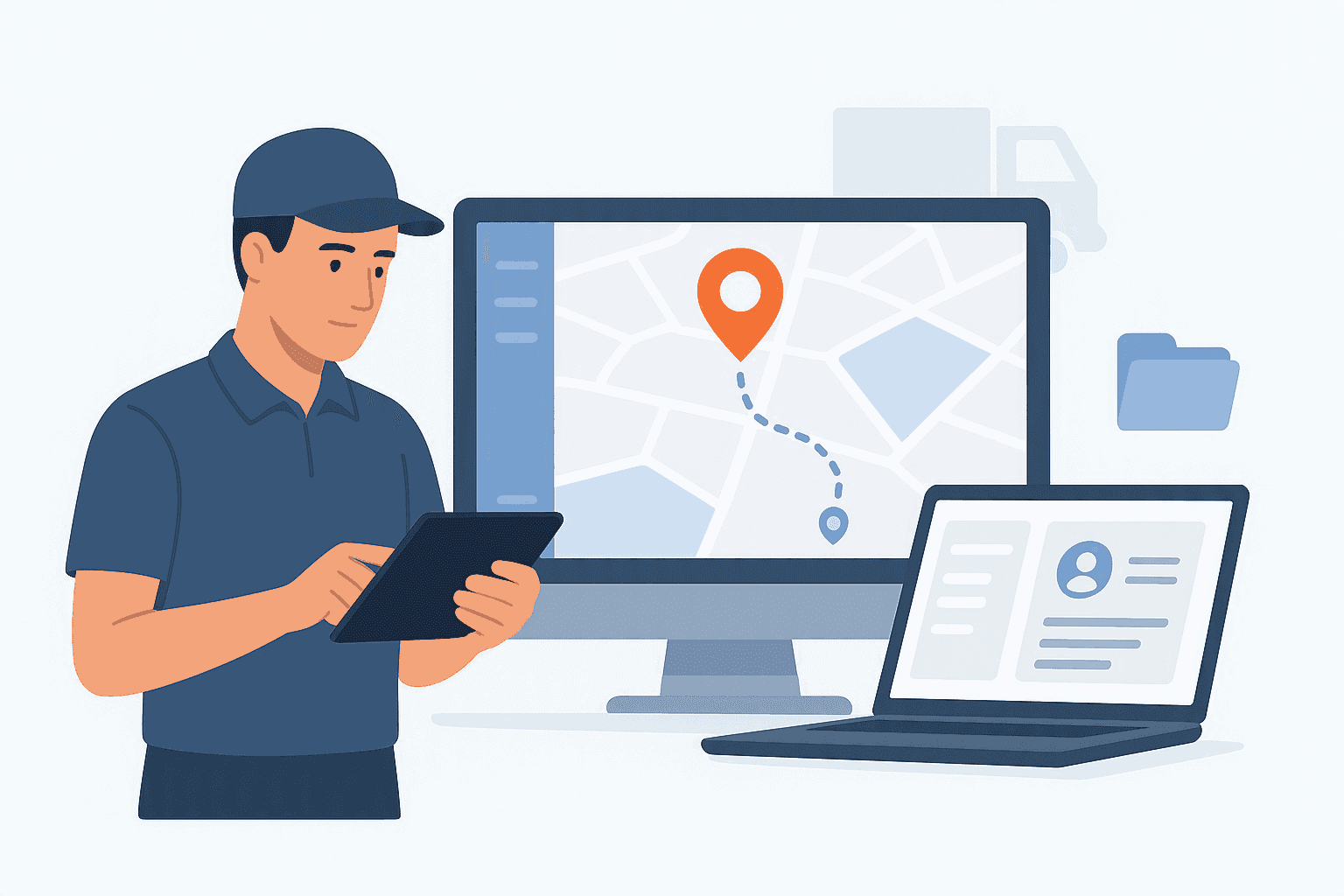
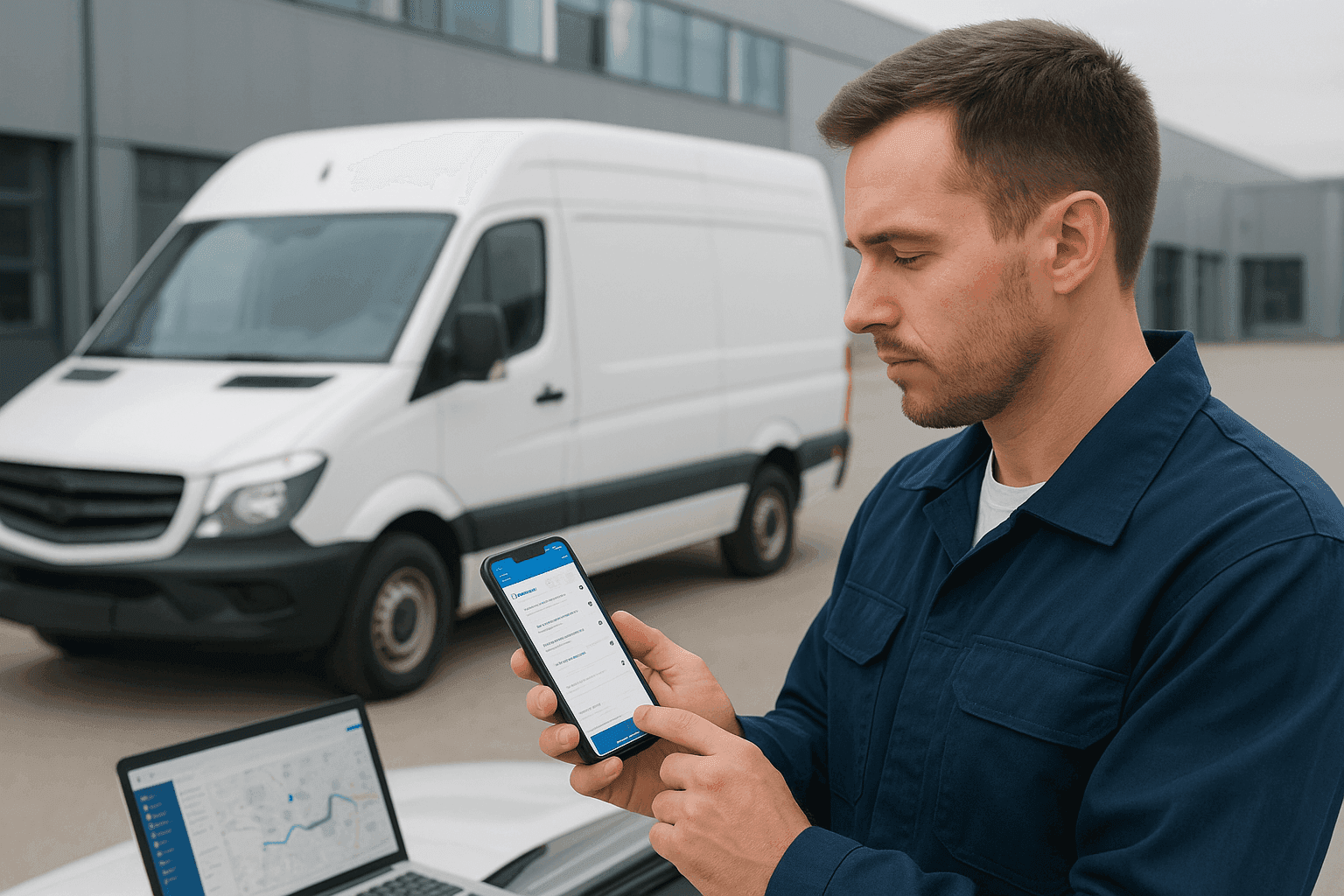
Mobile Workforce Management for Field Worker Teams

Field teams are the operational backbone of delivery companies, service fleets, distribution businesses, and last-mile logistics providers. Yet managers often still rely on phone calls, paper forms, disconnected spreadsheets, and delayed driver updates to coordinate work outside the office.
Mobile workforce management for field worker teams changes that model. By connecting dispatchers, drivers, technicians, and supervisors through one mobile-enabled system, businesses can see what is happening in the field, respond faster to exceptions, and create a more consistent customer experience.
For logistics operators, the shift is no longer simply about replacing paper. It is about building a responsive, data-driven operation that can manage growing delivery volumes, tighter service windows, rising labor costs, and higher customer expectations.
Trend 1: Real-Time Field Visibility Is Becoming Essential
Traditional workforce processes create a visibility gap. A dispatcher may know when a driver leaves the depot, but not whether the driver has arrived at a stop, encountered a delay, completed a delivery, or needs help with an exception.
A mobile workforce tracking system closes that gap by collecting updates from the field as work happens. Depending on the business model, this can include GPS location, route progress, task status, arrival and departure times, electronic proof of delivery, photos, signatures, and customer notes.
This visibility gives operations teams a clearer view of the working day. Instead of spending hours chasing updates, they can identify exceptions early and make decisions while they still matter.
What real-time tracking enables
A well-configured tracking platform can help teams:
- Monitor active jobs, routes, and field assignments from a central dashboard
- Identify late arrivals, extended stop times, or uncompleted tasks
- Give customers more accurate delivery or service updates
- Reassign urgent work to the nearest available employee
- Verify attendance, route adherence, and task completion
- Create reliable records for billing, compliance, and performance reviews
The goal is not to micromanage field workers. The goal is to remove uncertainty, support employees when issues arise, and help managers allocate resources intelligently.
Trend 2: Dynamic Scheduling Is Replacing Static Planning
Many field operations still create schedules at the beginning of the day and hope conditions remain stable. In reality, traffic, failed deliveries, vehicle issues, sick leave, weather, customer cancellations, and urgent jobs can make a static schedule obsolete within hours.
Modern mobile workforce management for field worker teams supports dynamic scheduling. Dispatchers can assign, reschedule, or reallocate work based on live location, worker skills, workload, proximity, vehicle capacity, and promised service windows.
This approach is particularly valuable for last-mile delivery fleets and field service providers. A manager can respond to a priority order without manually calling multiple workers to determine who is available.
Smarter assignment decisions
Effective workforce scheduling should consider more than who appears free on a calendar. Businesses should factor in:
- Worker availability: Shift times, breaks, leave, and existing assignments.
- Skills and certifications: Required qualifications for specialized jobs, equipment, or customer sites.
- Location and travel time: The practical distance between a worker and the next task.
- Vehicle or equipment suitability: Capacity, temperature control, tools, or asset requirements.
- Service commitments: Delivery windows, priority levels, and customer agreements.
- Workload balance: Avoiding the repeated overloading of high-performing team members.
When these inputs are visible in one system, managers can make faster and more consistent decisions. This also reduces unnecessary mileage and helps keep field teams productive without creating unrealistic workloads.
Trend 3: Mobile-First Workflows Are Replacing Paper Forms
Paper delivery notes, printed route sheets, manual timesheets, and handwritten inspection forms create friction at every stage of the field workflow. They are slow to complete, difficult to audit, and prone to missing or inaccurate information.
Mobile apps give field workers a practical alternative. From a smartphone or rugged mobile device, workers can receive assignments, view route details, follow task instructions, capture required evidence, and update job statuses in real time.
For delivery and fleet businesses, digitizing the workflow improves both speed and accountability. A completed job can trigger proof of delivery, customer communication, invoicing, and back-office reporting without waiting for paperwork to return to the depot. These mobile-first capabilities are among the key trends in field force management software.
High-value mobile workflow features
Look for mobile tools that make field work simpler rather than adding administrative burden. Useful features include:
- Digital job lists and route manifests
- Turn-by-turn navigation or map integration
- Electronic proof of delivery with signatures and photos
- Barcode or QR code scanning
- Checklists for vehicle inspections and safety procedures
- Time-stamped status updates
- In-app messaging between drivers and dispatchers
- Offline capability for low-connectivity locations
- Customer notes, access instructions, and delivery preferences
Adoption matters as much as functionality. If an app is difficult to use, workers may revert to calls, text messages, or informal processes. Choose a solution with an intuitive interface and involve field employees in rollout planning and training.
Trend 4: Customer Expectations Are Driving Better Communication
Customers increasingly expect the same visibility from business deliveries that they receive from consumer parcel services. They want to know when a delivery is scheduled, whether it is on the way, and what happened if a job could not be completed.
A mobile workforce tracking system provides the operational data needed to automate these updates. When a driver marks a job as dispatched, en route, arrived, completed, or unsuccessful, the system can keep customers and support teams informed.
Clear communication reduces inbound “where is my order?” calls and gives customer service teams a trusted source of information. It also helps businesses manage exceptions professionally rather than reacting after a complaint arrives.
Turning field data into a better customer experience
Businesses can use field updates to provide:
- Accurate estimated arrival windows
- Arrival notifications for deliveries or service appointments
- Digital proof of delivery immediately after completion
- Clear reasons for failed or delayed visits
- Fast rebooking or rescheduling options
- Consistent records when customers query a job
The best customer communications are timely, relevant, and based on verified operational events. That requires field workers, dispatch, and customer service teams to work from the same information.
Trend 5: Safety, Compliance, and Accountability Are Moving Into Daily Workflows
Fleet and field operations face growing pressure to document safety processes, working hours, vehicle checks, and service quality. A mobile platform can make compliance part of the daily workflow instead of a separate administrative task completed at the end of a shift.
For example, a driver can complete a pre-trip vehicle inspection before receiving route assignments. A technician can confirm required protective equipment before starting a site visit. A supervisor can review missed checks or overdue tasks from a central dashboard.
This approach creates a consistent audit trail while helping managers spot risks before they become incidents. It also supports a fairer performance process because discussions can rely on time-stamped operational records rather than assumptions.
Build trust through responsible tracking
Employee tracking should be transparent and proportionate. Organizations should explain what information is collected, when it is collected, why it is needed, who can access it, and how long it is retained.
Clear policies help protect worker privacy while ensuring the business can use location and task data for legitimate operational purposes. Managers should position tracking as a tool for safety, support, accurate pay, and better planning—not simply surveillance.
Trend 6: Workforce Data Is Shaping Continuous Improvement
The most valuable benefit of mobile workforce management is not only knowing what is happening now. It is using historical data to improve future operations.
Over time, managers can analyze planned versus actual route duration, stop times, failed delivery reasons, jobs completed per shift, overtime patterns, customer wait times, and workload distribution. These insights reveal operational bottlenecks that spreadsheets often hide.
For example, repeated late deliveries in one zone may indicate unrealistic time windows, poor route design, access restrictions, or inadequate staffing. A high number of failed first attempts may show that customer communication needs improvement. Data makes those conversations more objective and actionable.
Metrics worth tracking
Start with a focused scorecard that connects field activity to business outcomes:
- On-time arrival and completion rate
- First-attempt delivery success rate
- Jobs completed per worker or vehicle
- Average task duration by service type or zone
- Unproductive travel time and route variance
- Overtime and schedule adherence
- Proof-of-delivery completion rate
- Customer complaints and service recovery volume
Avoid measuring everything at once. Select a small set of metrics, establish a baseline, and use the results to improve processes rather than punish individuals.
How to Prepare Your Business for Mobile Workforce Management
Successful implementation requires more than installing an app. Start by mapping the current journey from job creation to completion, proof of delivery, and customer follow-up. Identify where information is delayed, duplicated, or lost.
Next, define the operational outcomes you want to improve. These may include faster dispatching, fewer failed deliveries, better proof of delivery, reduced manual reporting, improved driver safety, or more accurate customer updates.
Then take a phased approach:
- Pilot the platform with one team, route type, or service region.
- Train dispatchers and field workers using real-world workflows.
- Collect feedback on usability, connectivity, and task design.
- Refine workflows before expanding across the organization.
- Review performance data regularly and adjust staffing, routing, and service rules.
Integration is also important. A mobile workforce platform delivers greater value when it connects with order management, customer relationship management, fleet management, invoicing, and reporting systems. For more on the role of connected platforms, see these mobile field service management software trends.
The Future of Field Workforce Operations
Mobile workforce management for field worker teams is becoming a core capability for delivery and fleet-based businesses. As same-day expectations grow and operating costs remain under pressure, companies need reliable ways to coordinate people, vehicles, tasks, and customer communication in real time.
The businesses that adapt will not simply track their teams more closely. They will build smarter operations: better schedules, clearer workflows, safer field practices, stronger customer communication, and decisions based on live operational data. These priorities align with broader field workforce management software trends shaping logistics and fleet operations.
Cooriroo helps delivery and logistics teams bring field activity, dispatch workflows, route visibility, and delivery updates into one connected platform. Explore how a mobile workforce tracking system can help your team reduce manual work, improve delivery control, and keep every field worker connected.