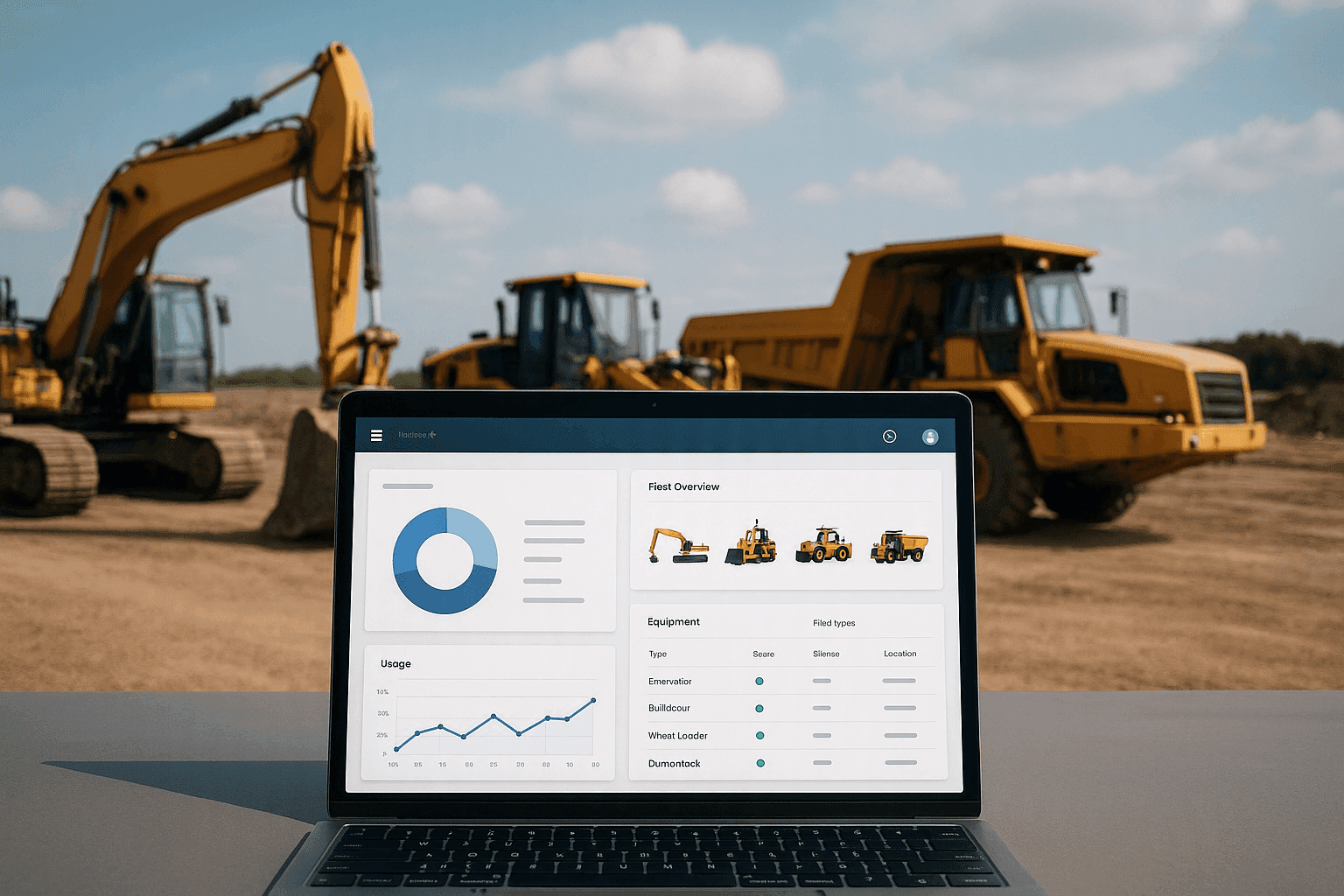
Government Fleet Maintenance Software: Key Trends in 2024

Government agencies across the globe are undergoing rapid digital transformation, especially in the way they manage and maintain their vehicle fleets. With pressing mandates for transparency, cost-effectiveness, and public service reliability, the move to powerful government fleet maintenance software is more vital than ever. This article delves into the current and emerging trends shaping enterprise fleet maintenance programs for government entities in 2024 and beyond.
Growing Adoption of Cloud-Based Solutions
Government organizations are increasingly moving away from legacy, on-premise systems toward secure, cloud-based fleet management platforms.
- Accessibility: Authorized staff can access real-time fleet data from any device, improving decision-making and responsiveness.
- Automatic Updates: Cloud software ensures agencies stay compliant with changing regulations without IT headaches.
- Scalability: As municipal needs evolve, cloud services scale up easily, supporting fleets of all sizes.
A 2023 survey by GovTech Magazine indicated that over 60% of agencies plan to upgrade their fleet maintenance software to cloud-based solutions by 2025. For additional insights into system innovations, read about the top trends in vehicle tracking and fleet management systems that are supporting modern government initiatives.
Automation and Predictive Maintenance
Modern enterprise fleet maintenance programs are leveraging advanced automation and AI-driven analytics to reduce downtime and extend asset life. These themes echo broader shifts seen across transportation and equipment fleets—see also current top trends in heavy equipment fleet management software that highlight predictive approaches in related sectors.
- Predictive Diagnostics: Sensors and telematics track vehicle health and prompt proactive servicing before breakdowns occur.
- Work Order Automation: Routine repairs and maintenance scheduling are streamlined, reducing human error and paperwork.
- Resource Optimization: Automated inventory and labor allocation help departments do more with less.
The Institute for Public Procurement reports that predictive maintenance can lower government fleet repair costs by as much as 20% annually.
Integrated Compliance and Reporting Tools
Government fleet maintenance software now routinely incorporates built-in compliance frameworks to address stringent regulatory requirements.
- Automated Recordkeeping: Detailed logs of inspections, servicing, and repairs support audit-readiness.
- Environmental Regulations: Integration with emissions tracking simplifies adherence to sustainability mandates.
- Centralized Data: Unified dashboards provide full visibility for management and oversight bodies.
According to the National Association of Fleet Administrators (NAFA), agencies adopting integrated reporting tools saw a 30% reduction in compliance-related incidents between 2021 and 2023.
Enhanced Fleet Security and Data Protection
With the rise of cyber threats, protecting sensitive vehicle and personnel data is paramount for government fleets.
- Multi-factor Authentication: Strong access controls prevent unauthorized use of fleet management portals.
- Data Encryption: End-to-end encryption ensures information confidentiality.
- Regular Audits: Automatic system audits monitor for anomalies, supporting rapid incident response.
An industry study by Fleet Management Weekly highlights that 75% of government IT leaders cite security as a top requirement when selecting fleet maintenance software.
Sustainability and Green Fleet Initiatives
Environmental accountability is shaping the future of government fleets, with maintenance software playing a central role.
- EV Integration: Tools can monitor electric vehicle usage, charging cycles, and unique maintenance needs.
- Sustainability Dashboards: Performance metrics visualize the environmental impact of fleet operations.
- Lifecycle Analysis: Software helps agencies assess when to replace or upgrade assets for optimal cost and emissions savings.
In 2024, over 40% of government fleets are projected to include hybrid or electric vehicles, according to Clean Cities Coalition. This growing emphasis on sustainability aligns with the top GPS fleet management system trends transforming 2024, which detail technology's role in driving greener fleet practices.
Actionable Insights Through Data Analytics
Modern government fleet maintenance software unlocks actionable business intelligence. Advanced reporting tools support smarter resource allocation and long-term strategic planning.
Key Functions:
- Trend Spotting: Track recurring vehicle failures and budget overruns.
- Total Cost of Ownership Analysis: Make informed replacement decisions based on lifecycle costs.
- Performance Benchmarking: Compare units, divisions, or regions for continuous improvement.
These insights directly translate into improved fleet reliability, reduced expenses, and higher public satisfaction.
Preparing for the Future: Recommendations for Agencies
To remain agile and fiscally responsible, government fleet managers must embrace these technology-driven trends. Here’s how to start:
- Evaluate your current enterprise fleet maintenance program for gaps and inefficiencies.
- Prioritize software solutions with robust automation, analytics, and compliance features.
- Partner with IT security teams to ensure platform resilience.
- Engage stakeholders across departments when implementing new systems for better adoption and ROI.
Conclusion: Embracing Change with a Modern Fleet Maintenance Platform
The landscape of government fleet management is evolving fast. By investing in advanced government fleet maintenance software, public agencies can ensure operational excellence, transparency, and sustainability. Now is the time to future-proof your enterprise fleet maintenance program—don’t be left behind as the sector transforms.
Ready to optimize your government fleet? Explore how Cooriroo’s fleet management platform can help streamline operations and maximize your agency’s potential. Contact us today!