Top GPS Fleet Management System Trends Transforming 2024
Introduction
In today's fast-paced logistics world, a robust GPS fleet management system is more than just a luxury—it's a necessity. Fleets are under pressure to operate at peak efficiency, reduce operational costs, and meet rising customer expectations. The good news? GPS tracking system software is evolving rapidly, bringing cutting-edge capabilities to vehicle management like never before. Let’s explore the major trends redefining GPS vehicle management system in 2024 and how fleet-driven businesses can stay competitive.
1. Real-Time Data and Visibility Become Standard
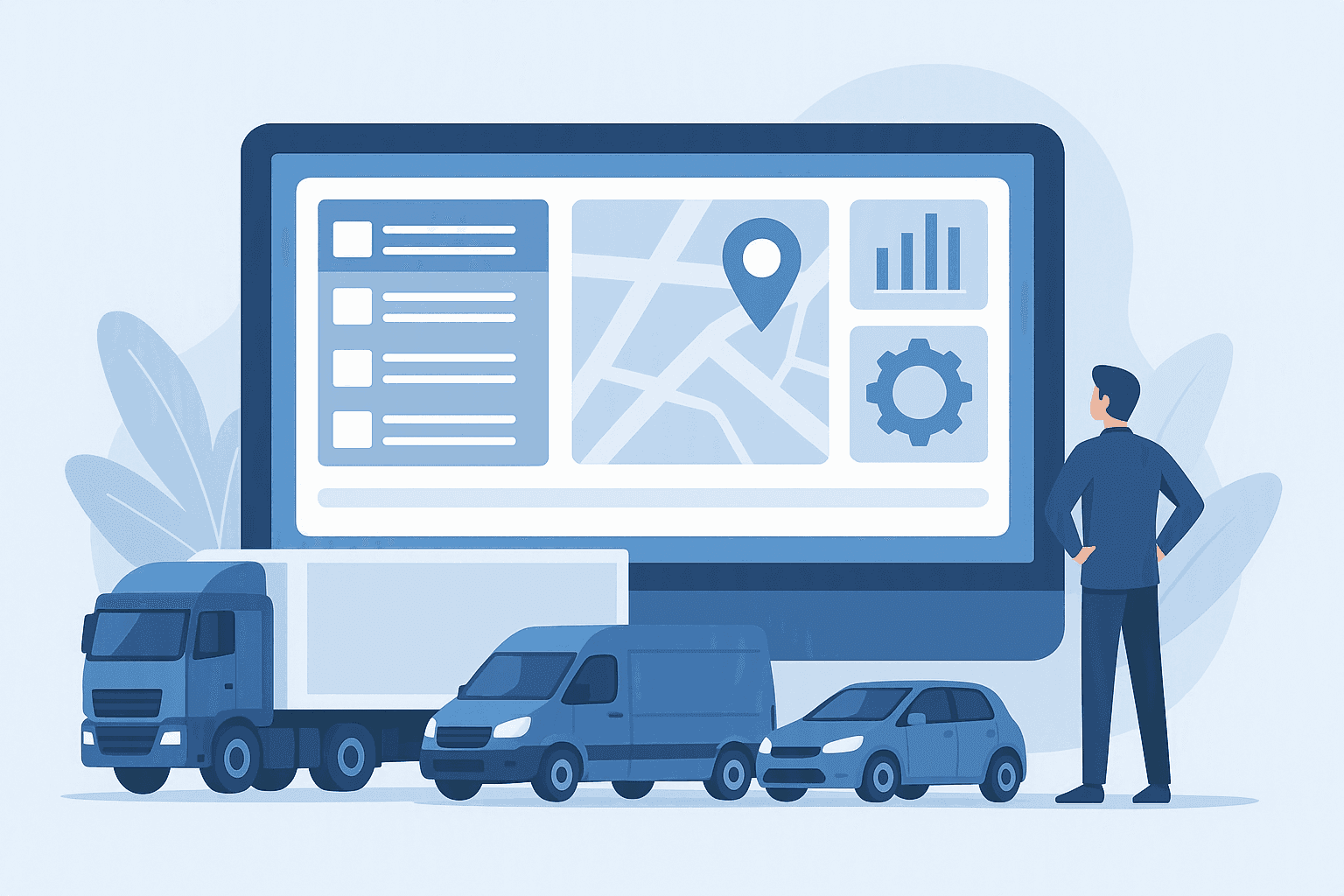
Expectations for instant information are reshaping the delivery and logistics sector. GPS fleet management systems now provide real-time visibility into:
- Truck and driver locations
- Traffic and route deviations
- Vehicle health and maintenance status
According to industry analysts, over 95% of large fleets have adopted some form of real-time GPS tracking system software. This visibility drives faster, data-driven decisions and rapid response to issues—minimizing delays and elevating customer satisfaction. If you want to dive deeper into the revolution of real-time tracking and analytics, check out Top Trends in GPS Vehicle Tracking System Software for 2024 for a comprehensive look at how these advancements are reshaping fleet management.
Business takeaway: Companies without real-time tracking risk falling behind. Choosing a GPS vehicle management system with seamless Live Map and instant alert features is now essential.
2. Predictive Analytics and AI-Driven Insights
GPS fleet management is getting smarter. Modern platforms harness artificial intelligence to:
- Forecast vehicle breakdowns and schedule preventative maintenance
- Identify risky driving patterns via behavior analytics
- Optimize routes using predictive traffic models
A recent survey by Frost & Sullivan indicates that AI-powered fleet analytics can reduce unexpected vehicle downtime by up to 40% and lower operational costs by 15%. This empowerment turns data into actionable insights—improving safety, reliability, and overall efficiency.
For more expert tips and what to look for in next-generation platforms, consider Top Industry Trends in GPS Fleet Management Software 2024, which explores how AI and real-time tracking are revolutionizing logistics.
Business takeaway: Invest in a GPS tracking system software that incorporates AI and machine learning modules. This will help you anticipate issues, optimize routes, and maintain an edge over competitors.
3. Integration with Telematics and IoT
The best GPS fleet management systems are “smarter” thanks to IoT sensors and telematics. By integrating asset sensors, dash cams, and engine diagnostics, businesses now gain:
- Instant accident notifications
- Real-time fuel usage monitoring
- Engine diagnostics and remote trouble code alerts
According to Allied Market Research, the global IoT in fleet management market is forecast to hit $15.8 billion by 2026, reflecting rapid adoption by both SMBs and enterprise fleets.
If you’re interested in how IoT integrations are reshaping logistics and empowering fleets, you can learn more in Industry Trends in Fuel Fleet Management Software for 2024.
Business takeaway: Select a GPS vehicle management system that’s open to integration with telematics and IoT sensors—helping future-proof your technology stack.
4. Enhanced Safety and Compliance Tools
Regulatory scrutiny is rising, and driver safety is an escalating concern. Modern GPS fleet management system offerings now include powerful compliance modules to:
- Automate Hours of Service (HOS) logging
- Create digital inspection checklists
- Track adherence to local regulations (FMCSA, ELD, etc.)
In addition, real-time driver behavior feedback—such as alerts for harsh braking or speeding—has led leading carriers to report a 20% reduction in accident rates after implementing GPS vehicle management systems with these safety tools.
Business takeaway: Ensure your GPS tracking system software provides not just location tracking but also compliance, safety, and driver training features.
5. Sustainability and Green Fleet Initiatives
Environmental responsibility is shaping the future of logistics. GPS fleet systems now prioritize:
- Fuel-efficient routing algorithms
- Measurement of CO2 emissions per route
- Electrification monitoring for EV adoption
According to the Global Logistics Emissions Council, fleets using eco-routing save up to 12% in fuel consumption. This not only reduces operating expenses but also supports sustainability commitments demanded by stakeholders.
Business takeaway: Implement a GPS fleet management system capable of monitoring emissions, fuel usage, and supporting green logistics goals.
6. Mobile-First Accessibility and User Experience
Fleet managers and drivers are no longer chained to their desks. Leading GPS vehicle management systems offer:
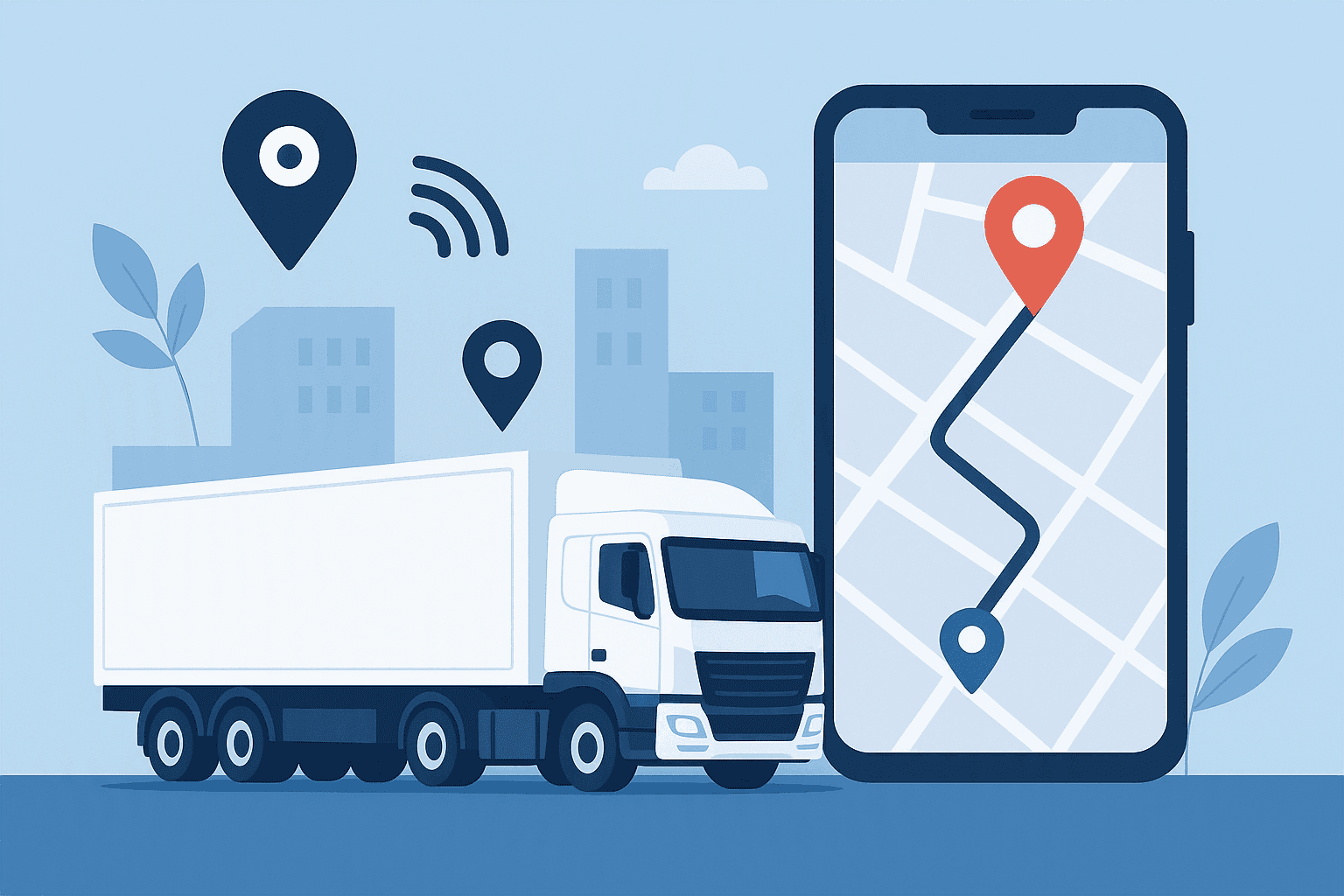
- Intuitive mobile apps for real-time updates
- In-app communication and task management
- Offline tracking and breadcrumb history
Mobile-enabled GPS tracking system software increases responsiveness and simplifies day-to-day tasks—especially for field-based teams and SMBs with limited IT resources.
To see how mobile-first strategies and cloud platforms are transforming logistics, explore Emerging Trends in GPS Fleet Software for 2024.
Business takeaway: Choose a platform with a robust mobile interface and push notifications to keep your team connected and productive.
7. Flexible, Scalable, and Cloud-Based Deployment
Legacy, on-premise GPS vehicle management solutions are being phased out in favor of:
- Cloud-based GPS tracking systems with on-demand scalability
- Modular subscription pricing without upfront hardware costs
- Seamless over-the-air updates and remote troubleshooting
Gartner predicts that over 75% of new fleet management deployments will be cloud-native by 2025. This ensures adaptability, security, and business continuity as your fleet grows or markets change.
Business takeaway: Seek a GPS fleet management system provider offering fully cloud-based services, allowing you to scale and adapt quickly.
Adapting to the Future: Action Steps for Fleet Operators
Staying ahead means:
- Auditing your current vehicle tracking and management capabilities
- Defining must-have features—real-time tracking, telematics, AI analytics
- Prioritizing integration and open APIs for future upgrades
- Exploring mobile-first and cloud-based solutions for agility
The rapid evolution of GPS tracking system software is not just a challenge—it's a golden opportunity for logistics businesses ready to lead.
Conclusion: Drive Growth with Next-Gen GPS Fleet Management
The logistics and delivery landscape is changing fast, and fleet operators must adapt to thrive. By embracing advancements in GPS fleet management system technology—real-time visibility, AI, IoT, safety, sustainability, and cloud accessibility—your business will boost efficiency, outpace competitors, and deliver exceptional customer service.
Ready to transform your fleet operations? Explore how Cooriroo’s modern GPS vehicle management system can future-proof your business. Contact us now for a personalized demo!