Top Industry Trends in Logistics Fleet Management 2024
Introduction
The landscape of logistics fleet management is evolving rapidly in 2024, driven by new technologies, sustainability demands, and shifting customer expectations. Companies seeking success in transportation and fleet management must keep pace with these industry trends to maintain efficiency, reduce costs, and stay competitive. Read on for expert insights into the key developments and practical strategies for thriving in this dynamic environment.
Embracing Digital Transformation
Technology adoption in logistics and fleet management is accelerating. Leading companies now leverage:
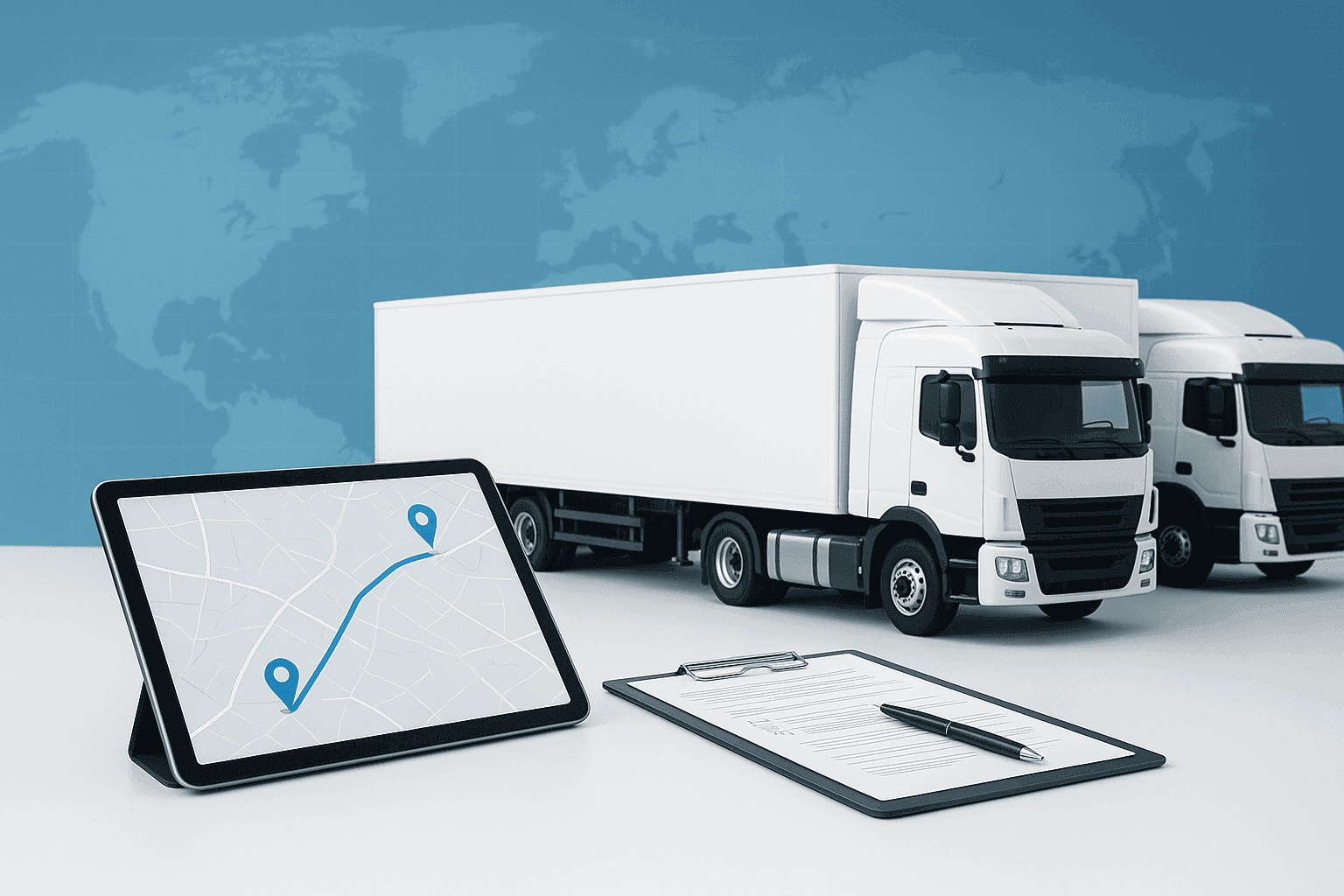
- Advanced telematics: Real-time vehicle tracking allows for proactive maintenance and route optimization. Recent advances in real time GPS fleet tracking solutions are driving efficiency and actionable insights across logistics operations.
- AI-powered analytics: Machine learning helps pinpoint inefficiencies and predict demand trends.
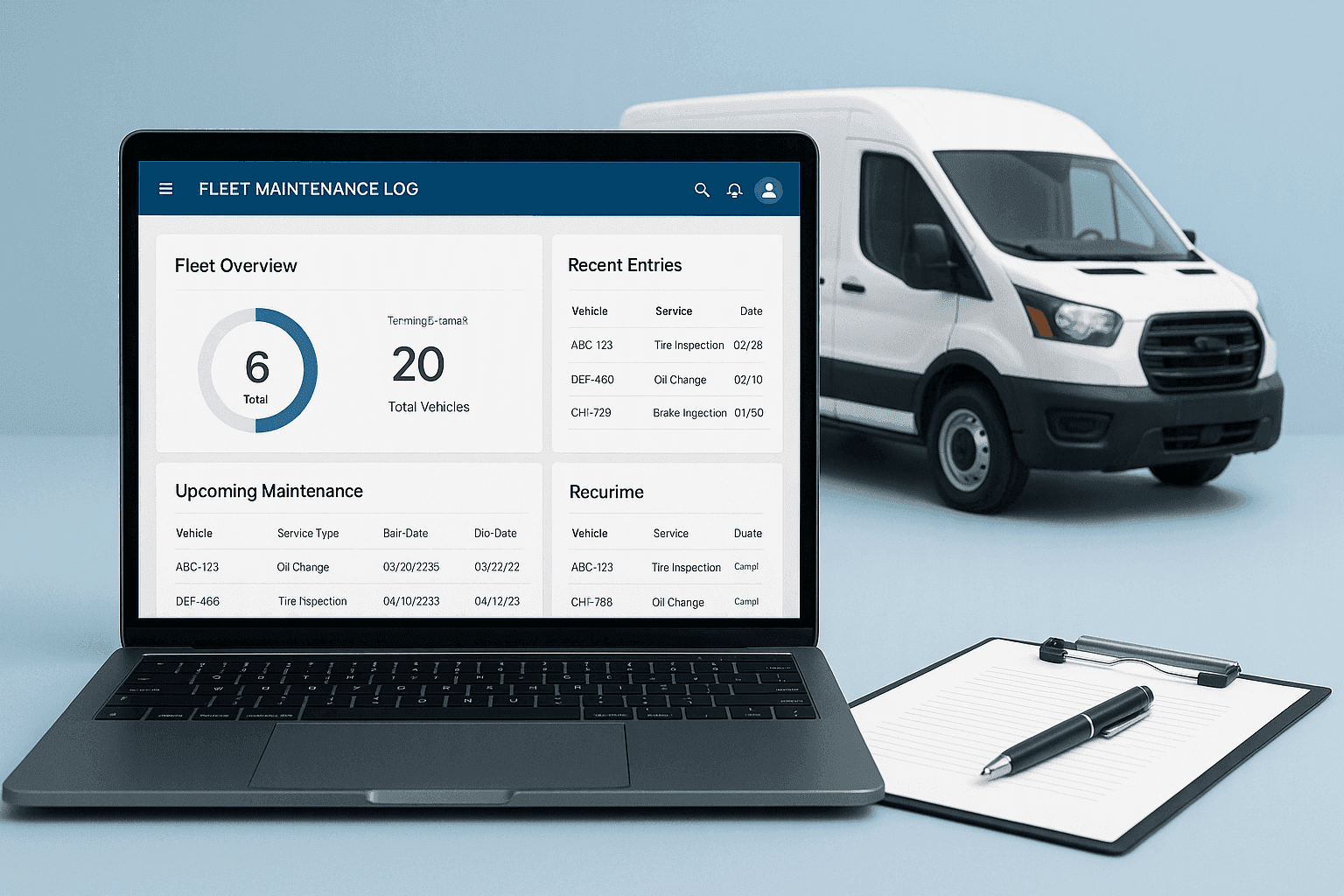
- Integrated fleet platforms: Unified dashboards like Cooriroo connect vehicles, drivers, and dispatch systems seamlessly.
Stat: According to MarketsandMarkets, the global fleet management market will reach $41.2 billion by 2028, fueled by cloud-based solutions and IoT integration. For more on the shift to cloud-based tools, see emerging trends in cloud based fleet management software.
Implications
Digital tools enable:
- More accurate ETAs
- Faster decision-making
- Lower operational costs
Businesses should invest in user-friendly platforms and offer staff digital skills training to maximize returns.
Sustainability and Green Logistics
Sustainability is becoming a non-negotiable for fleet operators. Regulatory pressures and customer preferences are pushing businesses to reduce their carbon footprint.
Key Trends:
- Fleet electrification: Electric vehicles (EVs) are gaining traction thanks to lower fuel costs and government incentives.
- Alternative fuels: Biofuels and hydrogen-powered fleets are emerging, especially in heavy transport sectors.
- Smart route planning: Reduces miles traveled and emissions.
Expert Insight: The International Energy Agency reports EV sales in commercial fleets rose by 20% in 2023. Companies investing early in green logistics see improved brand reputation and long-term ROI.
Implications
Operators should assess:
- Total cost of ownership for green vehicles
- Infrastructure readiness (charging/supply stations)
- Partnerships with eco-conscious suppliers
Enhanced Safety and Compliance
Safety and regulatory compliance remain critical pillars of logistics fleet management.
Top Priorities:
- Automated compliance checks: Software ensures standards for Hours of Service, vehicle maintenance, and driver certifications.
- Safety tech: Collision avoidance systems and driver monitoring reduce incidents.
- Data-driven reporting: Automated logs improve transparency and simplify audits.
Stat: Fleet operators report a 30% reduction in accidents after introducing real-time driver alerts and dashcams.
Implications
Businesses should:
- Regularly audit compliance processes
- Integrate AI for predictive safety management
- Invest in ongoing driver training
Last-Mile Delivery Innovations
The surge in e-commerce has intensified the focus on last-mile delivery. Efficient, flexible fleets are essential for meeting fast shipping promises and customer satisfaction.
Emerging Solutions:
- Dynamic route optimization: Responds to real-time traffic, weather, and demand changes.
- Mixed fleet types: Using bikes, vans, and drones for urban environments.
- Crowdsourced delivery: Leveraging gig workers during peak seasons.
Stat: Last-mile logistics now account for over 40% of total delivery costs, making efficiency innovations crucial.
Implications
Operators should:
- Prioritize agile fleet management tools
- Monitor performance metrics for last-mile efficiency
- Explore alternative delivery modes
Data Security and Privacy
As logistics and fleet management becomes increasingly digital, protecting sensitive data is a growing concern.
Best Practices:
- Secure connectivity: Encrypted platforms prevent data breaches.
- Access controls: Limit sensitive information to authorized personnel.
- Regulatory compliance: Adherence to GDPR and local data laws.
Expert Insight: Cybersecurity threats in logistics rose 15% in 2023. Proactive data protection is now essential for both operational integrity and customer trust.
Implications
Invest in robust cybersecurity, regular software audits, and employee training to mitigate risks.
Smart Mobility and Connectivity
Connected vehicles—part of the broader smart mobility trend—are reshaping the future of transportation and fleet management. Learn how GPS fleet software trends are enhancing integration and performance across connected fleets.
Innovations:
- Vehicle-to-everything (V2X) communication: Real-time updates on hazards, traffic, and routing.
- Mobile apps: Allow for instant driver and dispatch communication.
- Predictive maintenance: Sensors warn of issues before breakdowns occur.
Stat: Connected fleets cut unscheduled maintenance by up to 25%, improving uptime.
Implications
Businesses should:
- Adopt scalable, connected fleet solutions
- Use predictive analytics to reduce downtime
- Evaluate ROI by tracking performance metrics
Conclusion: Future-Proofing Your Fleet
Staying ahead in logistics fleet management requires more than just technology upgrades; it means embracing organizational agility and continual improvement.
To adapt successfully:
- Monitor the latest industry trends
- Invest in scalable platforms like Cooriroo
- Foster a culture of innovation and digital skills
Ready to elevate your logistics and fleet management strategy? Discover how Cooriroo can future-proof your operations and drive sustainable growth. Contact us today!