Vehicle Management Software Trends Shaping Fleet Success
Fleet operations are becoming more complex, not less. Rising fuel prices, tighter delivery windows, driver shortages, maintenance demands, and customer expectations all put pressure on operators to do more with every vehicle.
That is why vehicle management software has moved from a useful back-office tool to a core operational system. Modern platforms connect vehicle data, drivers, maintenance activity, routes, fuel usage, and compliance tasks in one place. The result is clearer decisions, faster responses, and more reliable service.
Below are the key vehicle management software trends shaping the future of fleet and delivery operations—and how fleet leaders can use them to build a more efficient business.
Real-Time Visibility Is Becoming the Operating Standard
For years, fleet managers relied on end-of-day reports, driver phone calls, and manual spreadsheets to understand where vehicles were and what work had been completed. That approach creates delays. By the time an issue appears in a report, the missed delivery, unauthorized stop, or vehicle breakdown may already have affected the customer.
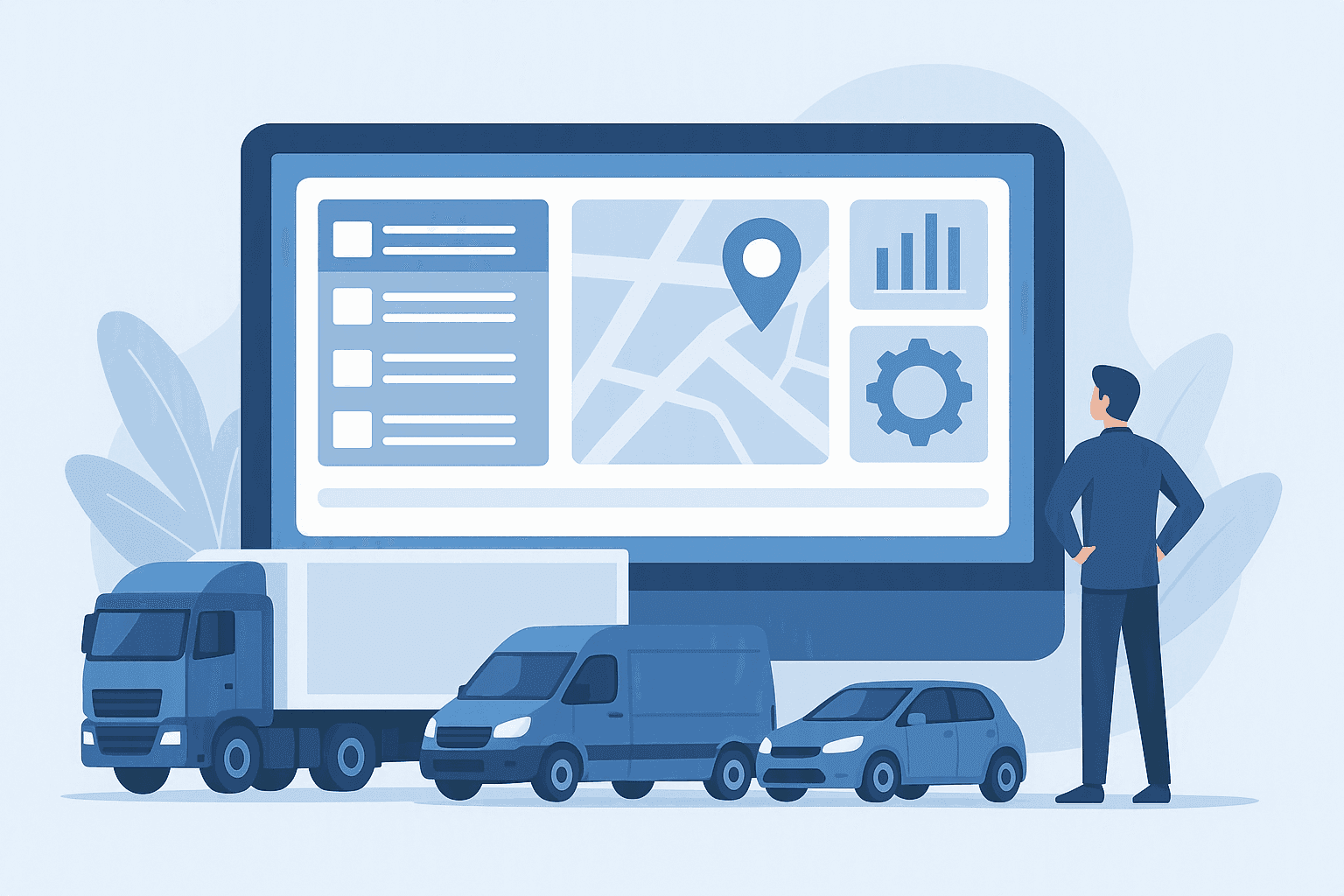
Modern vehicle management software provides real-time visibility through GPS tracking, mobile driver applications, and connected vehicle data. Dispatchers can see vehicle locations, job progress, route deviations, idle time, and estimated arrival times from a central dashboard. These real-time fleet tracking trends are reshaping how delivery businesses manage both operations and customer expectations.
Why real-time fleet visibility matters
Live data gives operations teams the ability to act while an issue is still manageable. For example, a dispatcher can reassign a nearby driver when a vehicle is delayed, alert a customer to an updated arrival time, or investigate unexpected idling before fuel costs increase.
Real-time visibility supports several important outcomes:
- More accurate delivery ETAs
- Faster response to vehicle or driver issues
- Better route and workload allocation
- Reduced unauthorized vehicle use
- Improved customer communication
- Stronger proof-of-service records
For delivery businesses, visibility is no longer just an internal efficiency measure. Customers increasingly expect to know when their order will arrive, and proactive status updates can help protect service quality when disruptions occur.
Predictive Maintenance Is Replacing Reactive Repairs
Unexpected breakdowns are expensive. They can trigger missed jobs, vehicle recovery costs, emergency repairs, replacement rental expenses, and reputational damage. A reactive maintenance model may appear manageable until a critical vehicle fails during a busy operating period.
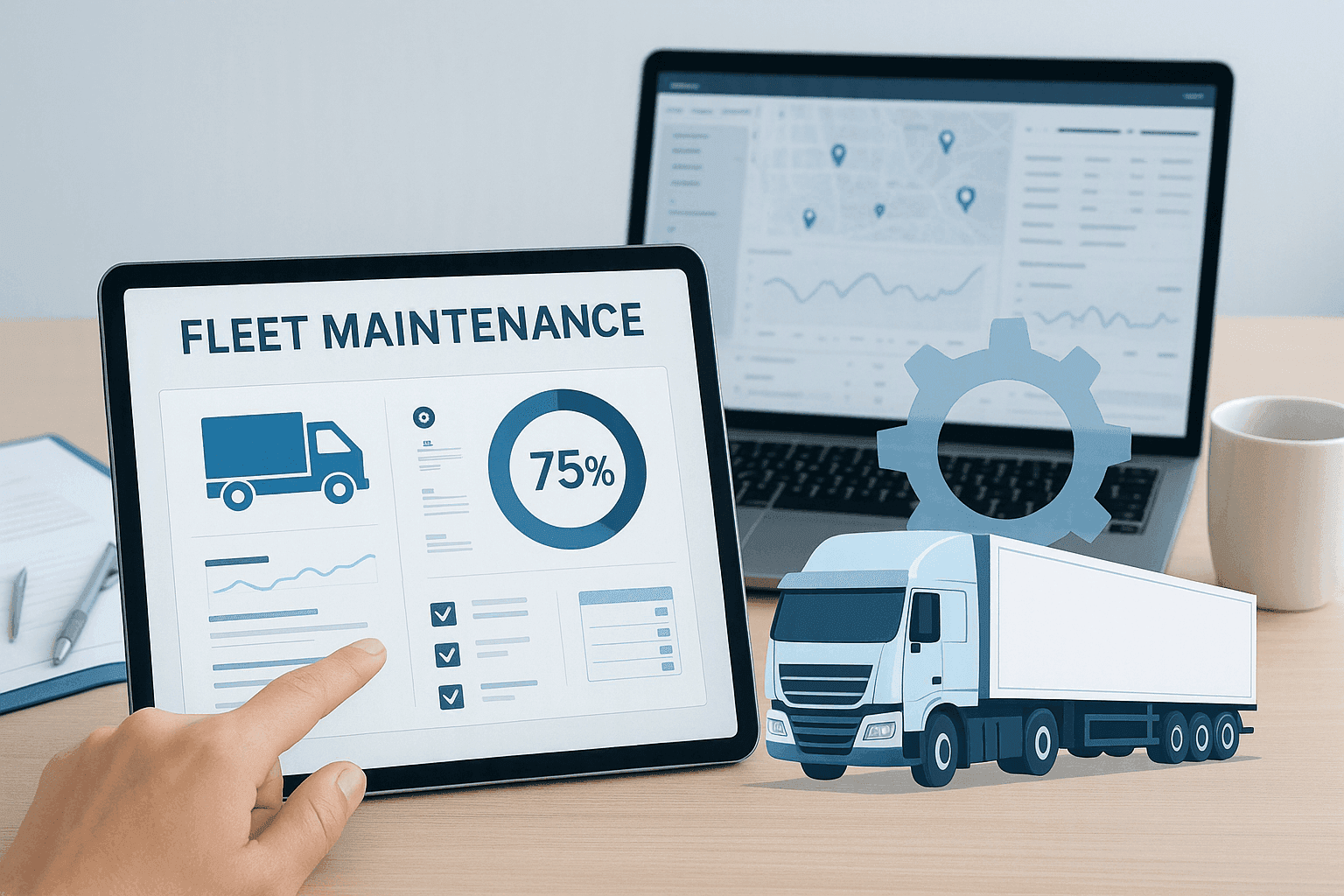
A major trend in fleet management software is the use of maintenance scheduling and vehicle health data to identify risks before they become costly failures. Software can track mileage, engine hours, service intervals, inspection outcomes, fault codes, tire conditions, and repair history.
From scheduled service to condition-based maintenance
Traditional preventive maintenance schedules are typically based on time or distance. While this remains essential, connected vehicle management platforms allow fleets to add condition-based insights. If a vehicle shows recurring fault alerts, unusual fuel consumption, or repeated inspection defects, managers can prioritize it for attention.
An effective maintenance workflow should include:
- Automated service reminders based on mileage, dates, or engine hours
- Digital driver vehicle inspection reports (DVIRs)
- Defect escalation rules for safety-critical issues
- Maintenance work order tracking
- Repair cost and downtime reporting by vehicle
- Asset lifecycle analysis for replacement decisions
This data helps managers move beyond asking, “When was this van last serviced?” Instead, they can ask, “Which vehicles are creating the highest cost per mile and need intervention or replacement?” For a closer look at the tools supporting this shift, explore these vehicle maintenance software trends for fleet managers.
AI-Powered Insights Will Improve Dispatch Decisions
Artificial intelligence is becoming more practical in fleet operations. The most useful applications do not replace experienced dispatchers or fleet managers. They help those professionals process large volumes of operational data quickly and identify patterns that are difficult to spot manually.
Vehicle management software can increasingly support AI-assisted recommendations for route planning, load assignment, maintenance priorities, delivery ETAs, and fuel-saving opportunities. These capabilities are particularly valuable for businesses managing multi-stop delivery routes or a growing mixed fleet.
Where AI delivers operational value
AI and machine-learning tools can analyze historical travel times, traffic patterns, driver availability, vehicle capacity, and delivery constraints. This gives planners a stronger basis for making daily decisions.
Potential use cases include:
- Predicting late deliveries before they occur
- Recommending more efficient route sequences
- Identifying vehicles with abnormal operating behavior
- Matching jobs to the closest suitable driver and vehicle
- Detecting repeated delay patterns at customer sites
- Forecasting maintenance needs using historical trends
The best approach is to start with clean, reliable fleet data. AI cannot fix fragmented processes or inaccurate records. Businesses should first standardize vehicle information, job statuses, maintenance data, and driver workflows before expecting advanced analytics to produce meaningful insights.
Fuel Management Is Becoming a Strategic Priority
Fuel remains one of the largest controllable operating costs for many fleets. Even small improvements in fuel efficiency can produce significant savings when multiplied across hundreds or thousands of vehicle miles.
Vehicle management software helps operators connect fuel card transactions, odometer readings, GPS data, idling records, and vehicle performance information. This creates a clearer view of where fuel is being consumed and whether that spending aligns with actual work activity.
Turning fuel data into action
The goal is not simply to collect fuel receipts. Fleet managers need to identify the behaviors and operational conditions driving fuel use. Common causes of avoidable fuel spend include excessive idling, inefficient routes, harsh driving, unauthorized trips, poor tire maintenance, and fuel theft or card misuse.
Managers should monitor metrics such as:
- Fuel cost per mile or kilometer
- Fuel cost per delivery or completed job
- Idle time by driver and vehicle
- Miles per gallon or liters per 100 kilometers
- Fuel spend by vehicle type and operating area
- Exceptions between fuel purchases and vehicle location
When paired with driver coaching and route optimization, fuel reporting can help businesses reduce costs without compromising delivery capacity.
Driver Safety and Coaching Are More Data-Driven
Safe drivers protect people, vehicles, cargo, and business continuity. They also help reduce collision costs, insurance exposure, maintenance wear, and unplanned downtime. Yet safety programs often fail when they rely only on annual training or disciplinary action after an incident.
Today’s vehicle tracking software and telematics tools can provide ongoing safety signals. These may include harsh braking, rapid acceleration, speeding, sharp cornering, seat belt events, mobile device distractions, and collision alerts.
Build a coaching culture, not a surveillance culture
The most successful safety programs use data to support drivers rather than simply penalize them. Managers should establish clear expectations, review trends regularly, recognize safe performance, and provide practical coaching where improvement is needed.
A fair driver safety program should:
- Explain what data is collected and why
- Focus on repeated behavior rather than isolated events
- Consider road and traffic conditions in performance reviews
- Give drivers access to their own performance data
- Reward improvement and consistently safe driving
- Use event footage or telematics records to support incident investigations
This approach can improve driver engagement while helping fleets create more consistent, defensible safety practices.
Digital Compliance Workflows Are Reducing Administrative Burden
Compliance is a daily operational responsibility. Depending on the fleet, requirements may include driver checks, vehicle inspections, licensing records, insurance documents, registration renewals, hours-of-service records, maintenance documentation, and incident reports.
Manual compliance processes create risk because documents can be incomplete, difficult to retrieve, or missed entirely. Vehicle management software centralizes records and can automate reminders for expiring documents, upcoming inspections, scheduled maintenance, and unresolved defects.
Make compliance part of the daily workflow
The strongest compliance systems are built into normal work rather than treated as an extra task at the end of a shift. For instance, drivers can complete digital pre-trip checks in a mobile app, submit photos of defects, and receive confirmation when an issue has been resolved.
For fleet managers, centralized digital records offer three benefits:
- Faster audit preparation
- Better visibility into unresolved risks
- Reduced time spent chasing paperwork
Automation does not remove accountability, but it makes it much easier to ensure that the right person receives the right alert at the right time.
Integrated Platforms Are Replacing Disconnected Tools
Many fleet businesses still manage operations through separate systems for dispatching, maintenance, GPS tracking, fuel cards, customer notifications, and reporting. Each tool may work well independently, but disconnected data creates duplicate entry, inconsistent records, and slow decision-making.
The trend is toward integrated delivery management software that connects the full operating cycle: plan work, assign vehicles, dispatch drivers, track progress, capture proof of delivery, manage exceptions, and analyze performance. This move toward connected workflows reflects broader transport fleet management trends focused on smarter tracking and efficiency.
What to look for in an integrated platform
When evaluating vehicle management software, prioritize workflows over feature lists. A platform should make it easier for your team to complete the work they already need to do every day.
Look for capabilities such as:
- Live vehicle and job tracking
- Route planning and dispatch tools
- Driver mobile applications
- Digital proof of delivery
- Maintenance and inspection management
- Automated customer notifications
- Fuel and cost reporting
- Configurable dashboards and alerts
- API integrations with accounting, telematics, and customer systems
A unified platform gives managers one reliable source of truth. It also reduces the time spent reconciling spreadsheets and searching through different applications for answers.
Sustainability Reporting Is Moving Into Everyday Fleet Planning
Environmental performance is becoming an operational issue, not just a corporate reporting exercise. Customers, regulators, investors, and procurement teams increasingly want better visibility into fleet emissions and sustainability progress.
Vehicle management software can help businesses measure fuel usage, mileage, idle time, route efficiency, and emissions estimates. This information supports practical initiatives such as reducing empty miles, improving route density, transitioning suitable routes to electric vehicles, and setting realistic emissions-reduction targets.
For many operators, the first sustainability win is simply using existing vehicles more efficiently. Fewer unnecessary miles and less idling can reduce both operating costs and emissions at the same time.
The Future of Vehicle Management Software Is Connected and Proactive
The future of fleet operations belongs to businesses that can turn data into timely action. Real-time visibility, predictive maintenance, safety analytics, fuel intelligence, automated compliance, and integrated dispatch workflows are no longer separate initiatives. They are increasingly connected parts of a modern fleet operating model.
The right vehicle management software should help your team spend less time reacting to problems and more time preventing them. Start by identifying your biggest operational bottleneck—whether it is late deliveries, maintenance downtime, fuel waste, paperwork, or limited visibility—and choose technology that improves that workflow first.
Cooriroo helps delivery and fleet teams bring planning, dispatch, tracking, proof of delivery, and operational reporting into one streamlined platform. Explore how a connected vehicle management approach can help you deliver more reliably, control costs, and scale with confidence.