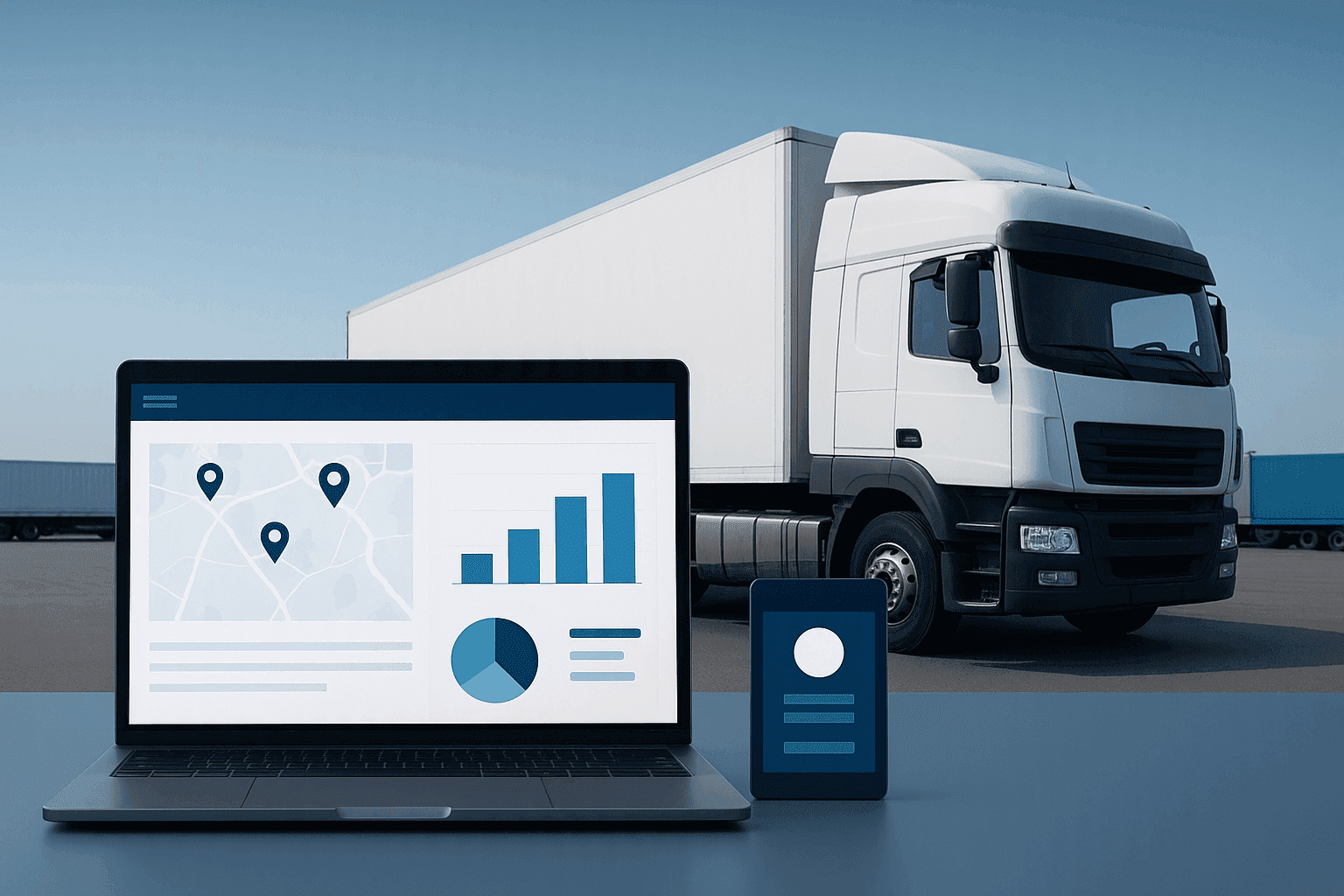
GPSWOX Devices: Fleet Tracking Trends for 2026 Guide

Fleet tracking is no longer limited to locating a vehicle on a map. Modern delivery operators need real-time visibility, actionable alerts, reliable driver workflows, and data that helps them make faster decisions. GPSWOX devices can support these needs when they are selected, configured, and connected to the right fleet management processes.
For courier fleets, field-service teams, and last-mile delivery businesses, the important question is not simply whether to deploy a GPSWOX tracker. It is how location data can improve on-time performance, reduce unnecessary mileage, protect assets, and create a better customer experience. Below are the key trends shaping how businesses evaluate GPSWOX devices and vehicle-tracking technology in 2026.
GPSWOX Devices Are Becoming Part of a Connected Fleet Stack
A vehicle tracker used to operate as a standalone tool: it reported a location, and a dispatcher checked it when something went wrong. Today, GPSWOX devices are increasingly used as one component in a broader operational system that may include route planning, proof of delivery, driver communication, maintenance planning, and customer notifications.
This shift matters because raw GPS coordinates do not automatically improve performance. Fleet managers need context around each trip, including the vehicle's route, idle time, stop duration, estimated arrival time, and whether a delivery was completed within its expected service window. These connected, data-first workflows are also shaping wider fleet data trends in delivery operations.
What connected tracking can enable
When integrated into a fleet workflow, a GPSWOX tracker can help teams:
- View current vehicle positions and trip progress from one dashboard
- Compare planned routes with actual routes driven
- Receive alerts for geofence entry, geofence exit, speeding, or extended idling
- Investigate late deliveries using timestamped location history
- Improve dispatch decisions when new jobs arrive during the day
- Maintain better communication with customers about delivery status
For growing delivery fleets, the strongest value often comes from connecting tracking data to daily decisions. A dispatcher who can see which driver is closest to a new pickup can respond more effectively than one working from static schedules or driver phone calls.
Real-Time Visibility Is Moving From “Nice to Have” to Essential
Customer expectations have changed across delivery, e-commerce, food distribution, and field service. Recipients increasingly expect accurate delivery windows and proactive updates, while business customers want clearer accountability for service-level commitments.
Real-time visibility helps operators respond before a delay becomes a customer complaint. If traffic, a vehicle issue, or an unexpected service stop affects a route, dispatchers can identify the risk early and adjust the plan.
Practical ways to use live GPS data
A fleet manager can turn live tracking into a service advantage by creating simple operating rules:
- Set geofences around depots, customer sites, and frequent delivery zones.
- Review vehicles that are significantly behind their planned route or schedule.
- Establish escalation steps for unplanned stops or long idle periods.
- Reassign urgent work based on the nearest suitable vehicle, not only the original schedule.
- Use accurate arrival estimates to keep customer support teams informed.
The objective is not to monitor every driver movement unnecessarily. It is to give operations teams dependable information when they need to make time-sensitive decisions.
GPSWOX Tracker Selection Is Becoming More Use-Case Specific
Not every tracking unit suits every vehicle or asset. The best GPSWOX tracker setup depends on fleet size, vehicle type, operating environment, reporting needs, and the level of detail the business requires.
For example, a hardwired tracker may suit vans and trucks that operate every day and need consistent power. A battery-powered unit may be more appropriate for trailers, containers, rental equipment, or other non-powered assets. Businesses evaluating those assets should also consider when trailer tracking hardware is worth fitting. They should also consider installation requirements, connectivity compatibility, and whether the device can report the telemetry needed for their operations.
Key factors to evaluate before deployment
Before selecting GPSWOX devices, assess these questions:
- Power source: Does the device need hardwired power, an internal battery, or both?
- Reporting frequency: How frequently should location updates be sent during active trips?
- Coverage: Does the connectivity option support the countries and regions where the fleet operates?
- Durability: Is the device protected against vibration, dust, water, and temperature changes?
- Vehicle data: Does the operation need ignition status, mileage, fuel data, engine diagnostics, or driver-behaviour events?
- Installation: Can the device be installed quickly and consistently across the fleet?
- Platform integration: Can tracking data flow into dispatch, delivery management, or fleet maintenance systems?
A low-cost device that creates unreliable data or requires frequent manual intervention can become more expensive than a better-matched solution. Device selection should start with operational outcomes, not only hardware specifications.
GPSWOX Pricing Requires a Total-Cost View
GPSWOX pricing is an important consideration, but fleet operators should look beyond a single advertised software or device cost. The true cost of a tracking program includes hardware, installation, data connectivity, platform access, integrations, training, and ongoing support.
Pricing structures can vary based on the number of assets, the selected software plan, device features, data usage, and optional modules. A fleet with 10 local delivery vans will have different needs from a business managing hundreds of vehicles across multiple regions.
Build a practical GPSWOX pricing checklist
When comparing costs, ask suppliers or internal stakeholders to clarify:
- Upfront device purchase or lease costs
- Per-vehicle monthly platform fees
- SIM card, mobile data, or roaming charges
- Installation and replacement costs
- Contract terms and cancellation conditions
- Costs for advanced reports, APIs, or integrations
- User limits, access controls, and support levels
- Expenses associated with device maintenance or battery replacement
Businesses should also calculate the potential return from reducing avoidable mileage, cutting idle time, improving route adherence, recovering assets, and resolving delivery disputes more quickly. Tracking technology is most valuable when it drives measurable operational improvements rather than simply adding another dashboard.
Driver-Centric Tracking Is Replacing Pure Surveillance
Driver adoption remains one of the biggest factors in successful fleet technology rollouts. If drivers believe tracking exists only to punish them, they may resist the system or view it as an unnecessary burden. A better approach is to position GPS tracking as a tool for safer, more efficient, and more predictable work.
For example, location history can help verify that a driver arrived at a customer site on time when a recipient disputes a delivery. Route data can reveal recurring bottlenecks that make a schedule unrealistic. Safety alerts may also identify patterns that require coaching, such as harsh braking or sustained speeding.
How to introduce tracking responsibly
A clear policy supports trust and compliance. Explain what data is collected, why it is needed, who can access it, and how long it is retained. Set reasonable alert thresholds and focus reviews on coaching and process improvement rather than isolated minor events.
Fleet managers should also involve drivers early. Their feedback can identify flawed routes, unrealistic service windows, unsafe access points, and recurring customer-site delays that map data alone will not reveal.
Geofencing and Event Alerts Are Driving Proactive Management
Geofencing creates a virtual boundary around a location. When a vehicle enters or leaves that boundary, the fleet system can record an event or send an alert. This capability is especially useful for depots, customer facilities, restricted zones, and high-value delivery areas.
Rather than waiting for someone to inspect a report at the end of the day, teams can use alerts to act in the moment. For instance, an unexpected departure from a delivery territory may trigger a dispatcher review, while a depot-entry event can support accurate shift and turnaround analysis.
Avoid alert fatigue
Too many notifications can make an alert system ineffective. Start with a small set of high-value alerts, such as:
- Vehicle leaving an approved service area
- Extended idling beyond a defined threshold
- Unauthorized after-hours movement
- Arrival at or departure from a priority customer location
- Excessive speeding or severe driving events
- Device disconnection or loss of reporting
Review alert outcomes regularly. If an alert does not lead to a useful action, refine its threshold or remove it.
Data Quality and Integration Will Define Tracking Success
As fleets collect more location and vehicle data, the next competitive advantage comes from making that data useful. Incomplete installation records, incorrect vehicle assignments, outdated geofences, and inconsistent driver profiles can all undermine reporting accuracy.
A GPSWOX tracker should therefore be managed as part of a data discipline. Keep asset records current, verify device health, and audit exceptions such as missing trips or unusual location gaps. Establish ownership for maintaining the tracking environment rather than treating it as a one-time installation project. This approach also supports the connected maintenance practices covered in fleet maintenance log software trends.
Integration is equally important. When tracking data connects with a delivery management platform such as Cooriroo, teams can bring route execution, driver activity, task status, and customer-facing delivery updates closer together. This reduces manual reconciliation and gives operations leaders a clearer view of what is happening across the fleet.
Preparing Your Fleet for the Next Stage of Tracking
GPSWOX devices can provide a strong foundation for fleet visibility, but they deliver the best results when they support a defined operational strategy. Start with a focused use case, such as reducing unauthorized vehicle use, improving late-delivery response, or measuring idle time. Then use the results to refine policies, workflows, and system integrations.
The direction of fleet management is clear: businesses are moving from reactive location checking to proactive, data-informed delivery operations. Companies that connect GPS tracking with dispatch, route optimization, and customer communication will be better positioned to control costs while delivering a more reliable service.
Ready to turn fleet location data into better delivery outcomes? Use Cooriroo to coordinate routes, drivers, and delivery execution in one modern workflow, and make every GPS signal more actionable.