Best Fleet Management Software: Top 10 Tools for 2026

Best Fleet Management Software: Top 10 Tools for 2026
Fleet operations have become more complex than simply knowing where vehicles are on a map. Delivery businesses, service fleets, hauliers, and field teams now need to control fuel spending, meet customer delivery expectations, improve driver safety, and keep vehicles available for work.
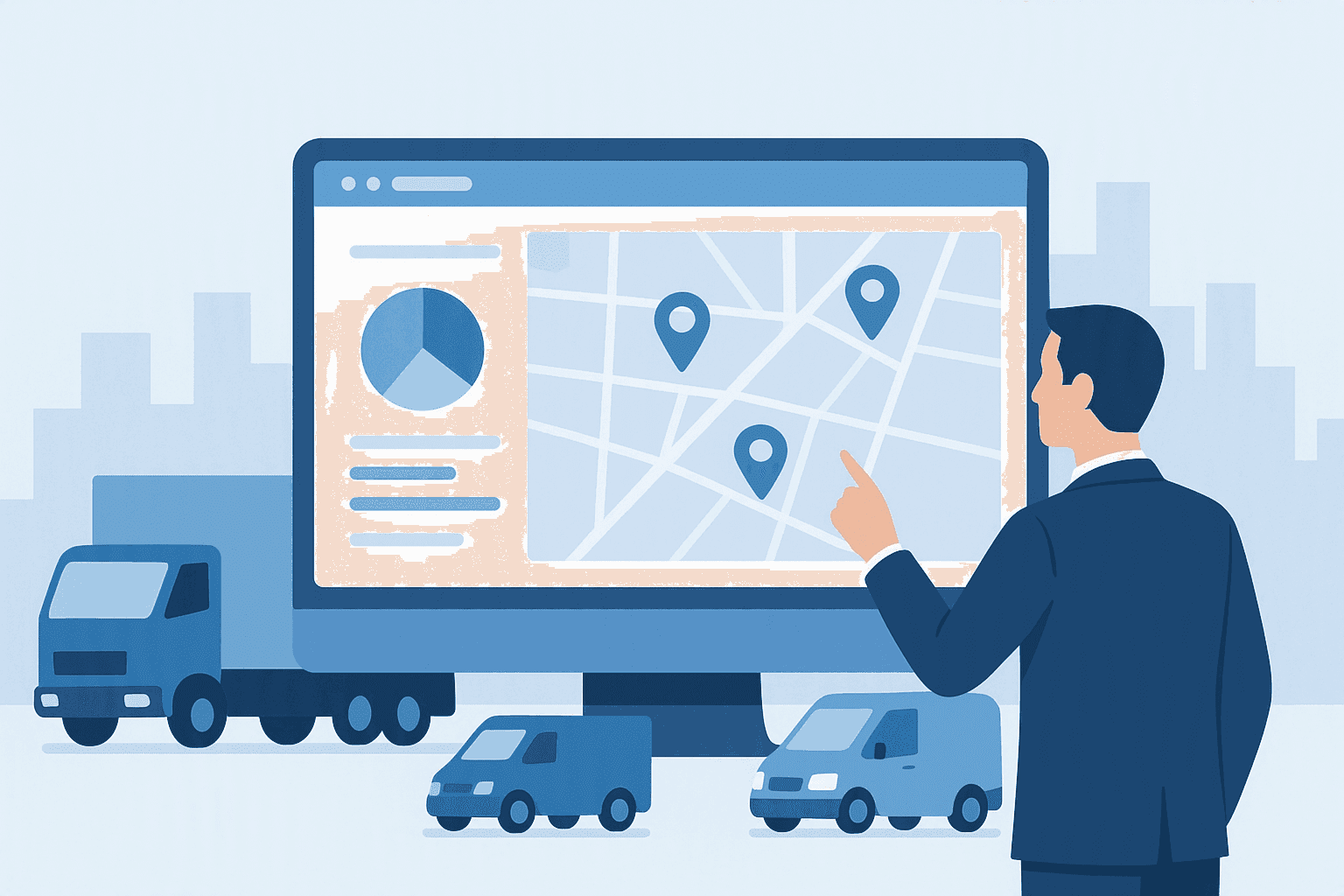
The best fleet management software brings these moving parts into one operational view. It turns GPS data, jobs, driver activity, maintenance records, and customer updates into actions that dispatchers and fleet managers can take quickly.
This guide reviews the top 10 fleet management software options to consider in 2026, the trends shaping fleet technology, and the criteria that matter when selecting a platform for your business. For a broader look at how providers are evolving these capabilities, see these fleet management software company trends.
Trend 1: Fleets Are Moving From Tracking to Operational Control
GPS tracking remains a core fleet-management function, but location data alone does not solve delivery delays or inefficient route plans. Modern platforms increasingly connect tracking with dispatching, proof of delivery, customer notifications, driver workflows, and reporting.
For delivery-focused fleets, this shift matters because every stop affects customer satisfaction and profitability. A live map can show that a driver is delayed; an integrated operations platform can help a dispatcher reassign the job, notify the customer, and update the delivery plan.
When comparing the best vehicle fleet management software, look for tools that support the full operational workflow:
- Real-time vehicle and driver visibility
- Route planning and route optimization
- Job dispatch and driver mobile apps
- Electronic proof of delivery, including signatures and photos
- Estimated time of arrival (ETA) updates
- Customer delivery notifications
- Driver communication and task management
- Performance dashboards and exportable reports
The right combination depends on your operation. A local courier company may prioritize route density and proof of delivery, while a service business may need appointment scheduling, technician workflows, and customer communication tools.
Trend 2: AI-Assisted Routing Is Raising Delivery Expectations
Route planning is no longer a static, once-a-day task. Traffic conditions, missed deliveries, priority orders, vehicle capacity, driver shifts, and service windows can all change during the day.
The best platforms use automation and optimization logic to sequence stops efficiently and help dispatch teams respond to disruption. This is especially important for businesses with multi-stop routes, same-day delivery commitments, or limited dispatcher capacity.
What to look for in route optimization
A strong routing solution should account for more than the shortest distance. Ask whether it can handle:
- Delivery time windows for scheduled or premium services.
- Vehicle capacity and load constraints for bulky, temperature-sensitive, or high-volume deliveries.
- Driver shifts and break rules to build practical schedules.
- Territories and recurring routes to maintain operational consistency.
- Live route changes when urgent jobs or exceptions occur.
- Accurate ETAs that can be shared with customers.
Route optimization can reduce unnecessary mileage, but its wider value comes from better service reliability. More predictable arrivals can lower failed-delivery rates, reduce inbound “where is my order?” calls, and help dispatchers manage exceptions before they become complaints.
Trend 3: Safety, Compliance, and Maintenance Data Are Converging
Safety and compliance are now central buying criteria for many fleets. The best truck fleet management software often combines GPS tracking with driver behavior monitoring, electronic logging support, vehicle inspections, and maintenance planning.
For fleets operating commercial trucks or regulated vehicles, compliance requirements may influence the technology decision more than delivery features. However, even smaller fleets benefit from a consistent record of vehicle inspections, service schedules, incidents, and driver behavior trends. Review emerging fleet compliance software trends when assessing how these requirements may affect your technology selection.
High-value safety and maintenance capabilities
Prioritize tools that help your team identify risks early rather than simply report on past problems. Common capabilities include:
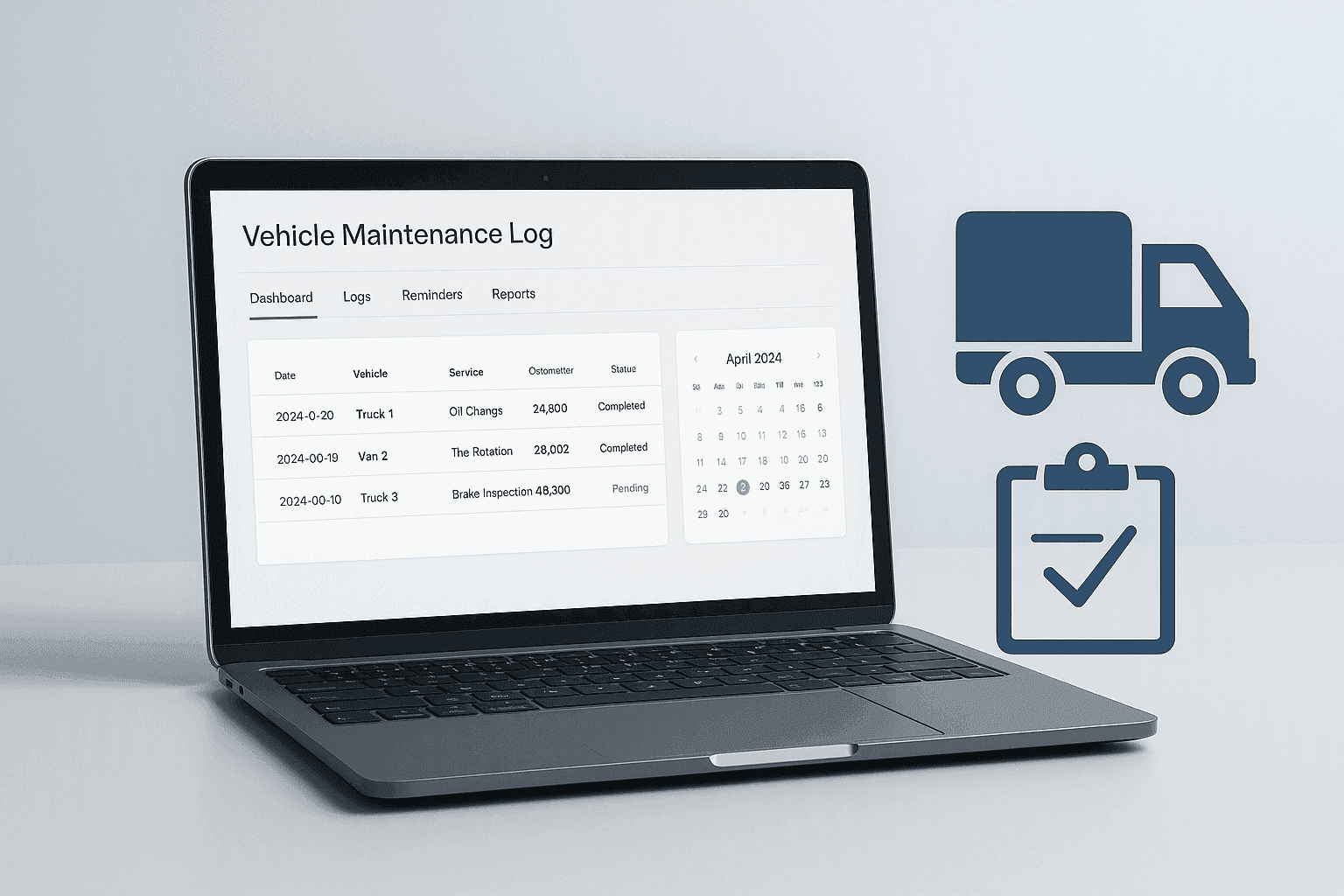
- Preventive maintenance reminders based on mileage, engine hours, or time
- Digital vehicle inspection reports (DVIRs)
- Fault-code and engine diagnostic alerts
- Harsh braking, speeding, acceleration, and idling reports
- Dash camera integrations and video event review
- Driver scorecards and coaching workflows
- Fuel card and fuel-consumption reporting
A maintenance workflow is particularly valuable because unplanned downtime affects more than repair costs. A vehicle off the road can create missed appointments, delayed deliveries, overtime, and expensive last-minute subcontracting. For more detail on keeping vehicles available through connected maintenance processes, explore fleet management and maintenance software trends.
Top 10 Fleet Management Software Options for 2026
There is no universal winner for every fleet. The best choice depends on fleet size, vehicle type, operating region, compliance obligations, and whether your primary need is delivery execution, telematics, maintenance, or safety.
Here is a practical overview of the top fleet management software options to evaluate.
1. Cooriroo
Cooriroo is designed for modern delivery and field-service operations that need a clear connection between dispatch, routes, drivers, and customers. It is a strong option for businesses seeking to manage job allocation, real-time delivery visibility, proof of delivery, and customer communication from one platform.
Best for: Delivery businesses and operational teams that want to improve route execution and customer experience.
2. Samsara
Samsara is widely known for connected operations technology, including vehicle telematics, safety tools, dash cameras, asset tracking, and operational reporting. It can suit fleets that want a broad connected-device ecosystem.
Best for: Organizations prioritizing telematics, safety visibility, and scalable connected operations.
3. Motive
Motive offers fleet-management capabilities with a strong focus on driver safety, compliance, AI-powered dash cameras, and vehicle tracking. It is often considered by commercial fleets that need operational and safety controls in one environment.
Best for: Trucking and commercial fleets with safety and compliance priorities.
4. Geotab
Geotab is a well-established telematics platform with extensive data, reporting, and integration capabilities. Its marketplace ecosystem can make it suitable for larger or more complex fleets with specialized requirements.
Best for: Enterprise fleets that need deep telematics data and flexible integrations.
5. Verizon Connect
Verizon Connect provides GPS fleet tracking, field-service tools, route planning, and reporting features. It is commonly evaluated by businesses seeking a recognized platform for vehicle visibility and workforce coordination.
Best for: Service and delivery fleets that need location tracking and operational reporting.
6. Azuga
Azuga focuses on GPS tracking, driver safety, gamified driver scoring, and fleet insights. Its driver-engagement approach may appeal to fleets building a formal safety and coaching program.
Best for: Fleets focused on improving driver behavior and safety culture.
7. Fleetio
Fleetio is known for maintenance-centric fleet management, helping teams organize service schedules, inspections, parts, fuel, and vehicle records. It can complement telematics tools or serve fleets with a strong maintenance-management need.
Best for: Businesses that want better control of preventive maintenance and lifecycle costs.
8. GPS Insight
GPS Insight offers fleet tracking and field-service management solutions, with tools that support driver visibility, workforce scheduling, and asset monitoring.
Best for: Mobile workforces and service organizations managing vehicles, equipment, and field teams.
9. Lytx
Lytx is particularly recognized for video telematics and driver-risk management. Its solutions can help fleets investigate incidents, coach drivers, and build safety programs based on video evidence and event data.
Best for: Fleets where reducing collision risk and insurance exposure is a leading objective.
10. Webfleet
Webfleet provides fleet-management and vehicle-tracking tools with capabilities that can support route planning, driver management, maintenance, and reporting. It is frequently considered by fleets operating across multiple regions.
Best for: Fleets seeking established telematics and route-management functionality.
How to Choose the Best Fleet Management Software
A product demo can make almost any platform look capable. The key is to evaluate software against real operational workflows, not a generic feature checklist.
Start with your highest-cost problems
Identify the issues that have the greatest impact on margins or customer service. For example:
- Are delivery routes consistently over capacity?
- Are customers calling for ETAs?
- Is fuel spend increasing without a clear explanation?
- Do vehicle breakdowns disrupt daily schedules?
- Are drivers completing inspections inconsistently?
- Does the dispatch team rely on spreadsheets, phone calls, and paper records?
Choose software that directly addresses the most costly problems first. A delivery fleet may see more immediate value from dispatch and proof-of-delivery automation than from advanced engine diagnostics. A trucking operation may reach the opposite conclusion.
Evaluate usability for drivers and dispatchers
Technology only delivers value when people use it consistently. Ask to see the driver mobile app, the dispatcher dashboard, and the reporting workflow during a demonstration.
A practical platform should make it easy for drivers to receive jobs, navigate routes, capture delivery evidence, report issues, and communicate with dispatch. For office teams, the system should reduce manual status checks rather than create another screen to monitor.
Consider integration and data ownership
Your fleet software may need to connect with order-management systems, accounting tools, fuel-card providers, CRM platforms, or payroll systems. Confirm which integrations are native, which require third-party connectors, and what data can be exported.
Also ask about implementation support, onboarding, user permissions, historical data retention, and service-level expectations. These details often determine whether a rollout succeeds.
Is There a Best Free Fleet Management Software Option?
Businesses searching for the best free fleet management software should set realistic expectations. Fully featured fleet platforms require infrastructure for GPS data, mobile applications, support, security, and integrations, so completely free solutions are usually limited in scope.
Free plans, limited trials, or low-cost entry tiers can be useful for small fleets testing basic tools. However, they may restrict the number of vehicles, users, reports, automations, or data history available.
Before selecting a free option, calculate the cost of manual work and operational blind spots. If a paid platform prevents even a small number of missed jobs, unnecessary miles, or maintenance-related disruptions, it may provide better value than a no-cost tool with limited capabilities.
Build a Shortlist Before You Buy
A structured evaluation process helps avoid choosing software based solely on brand recognition or a single feature. Create a shortlist of three to five vendors and score each against your actual requirements.
Use a weighted checklist that covers:
- Required operational features
- Ease of use for drivers and dispatchers
- Scalability as the fleet grows
- Hardware and installation requirements
- Integration options
- Reporting and analytics
- Security and permission controls
- Total cost of ownership
- Training and implementation support
- Contract flexibility
Run a pilot with representative drivers, routes, and vehicles whenever possible. Measure practical outcomes such as dispatch time, on-time delivery performance, route completion, driver adoption, customer communication quality, and vehicle downtime.
The Future of Fleet Management Is Connected and Customer-Focused
The best fleet-management strategy for 2026 is not simply about putting more data on a dashboard. It is about connecting data to faster decisions: dispatching the right driver, optimizing the next stop, keeping customers informed, maintaining vehicles proactively, and giving managers a clear view of performance.
As fleet technology continues to evolve, businesses that combine real-time visibility with efficient delivery workflows will be better positioned to control costs and deliver a more reliable customer experience.
If your team is ready to simplify dispatch, improve delivery visibility, and create a smoother experience from job assignment to proof of delivery, explore how Cooriroo can support your fleet operations.