Fleet Management Software Free: Benefits and Limits
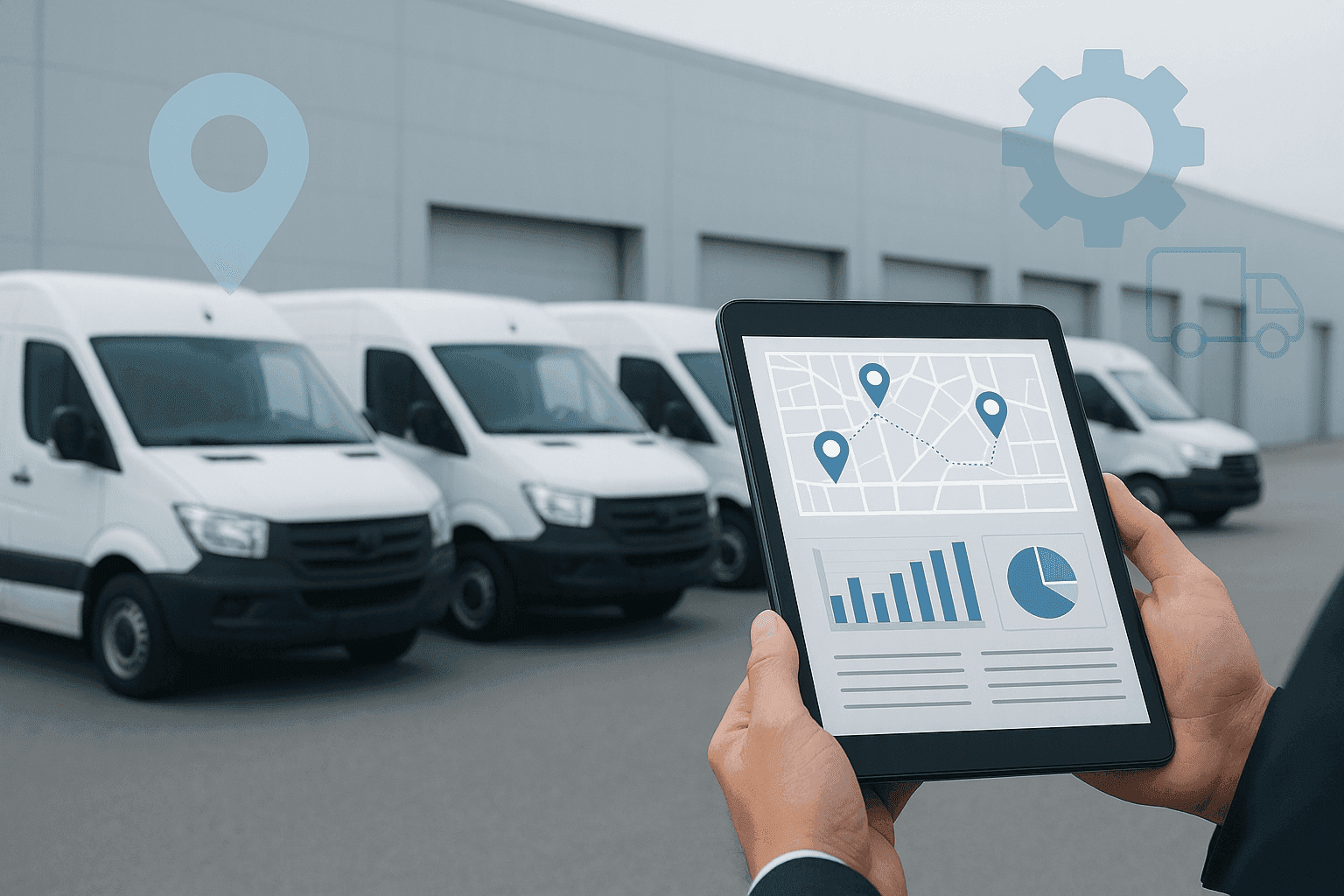
Running a fleet with spreadsheets, paper inspection forms, and scattered messages can feel manageable—until a missed service, late delivery, or vehicle breakdown disrupts the entire operation. That is why many small carriers, field service teams, and local delivery operators begin their search with fleet management software free options.
Free tools can provide a valuable starting point for organizing vehicle records, maintenance schedules, driver details, and basic operating costs. However, the right choice depends on more than price. Fleet leaders need to understand what free platforms can do well, where limitations appear, and when a scalable delivery and fleet management system becomes the smarter investment.
The Rise of Free Fleet Management Tools
Fleet technology is no longer limited to enterprise transportation companies. Cloud-based software, mobile apps, and easier integrations have made digital fleet management accessible to businesses operating just a few vehicles.
The growing availability of free plans and trial versions reflects a broader industry trend: fleet software providers are lowering the barrier to adoption. For operators that still rely on manual processes, a free platform can demonstrate the value of centralized data without requiring a large upfront budget. These changes are also shaping fleet management software for small business growth.
Common users of free fleet tools include:
- Local couriers and last-mile delivery startups
- Trades and field service companies
- Small rental and leasing businesses
- Nonprofits operating community transport vehicles
- Growing businesses managing company cars, vans, or light-duty trucks
For these teams, the immediate goal is often visibility. They need one place to see which vehicles are active, when maintenance is due, and whether drivers have completed required checks.
What free plans usually include
A fleet maintenance software free plan commonly provides foundational administrative capabilities. Features vary by provider, but many include:
- Vehicle profiles with registration, make, model, and mileage details
- Service reminders based on time, mileage, or engine hours
- Basic maintenance history and expense logging
- Driver records and document storage
- Simple reporting or dashboard views
- Mobile access for vehicle inspections or updates
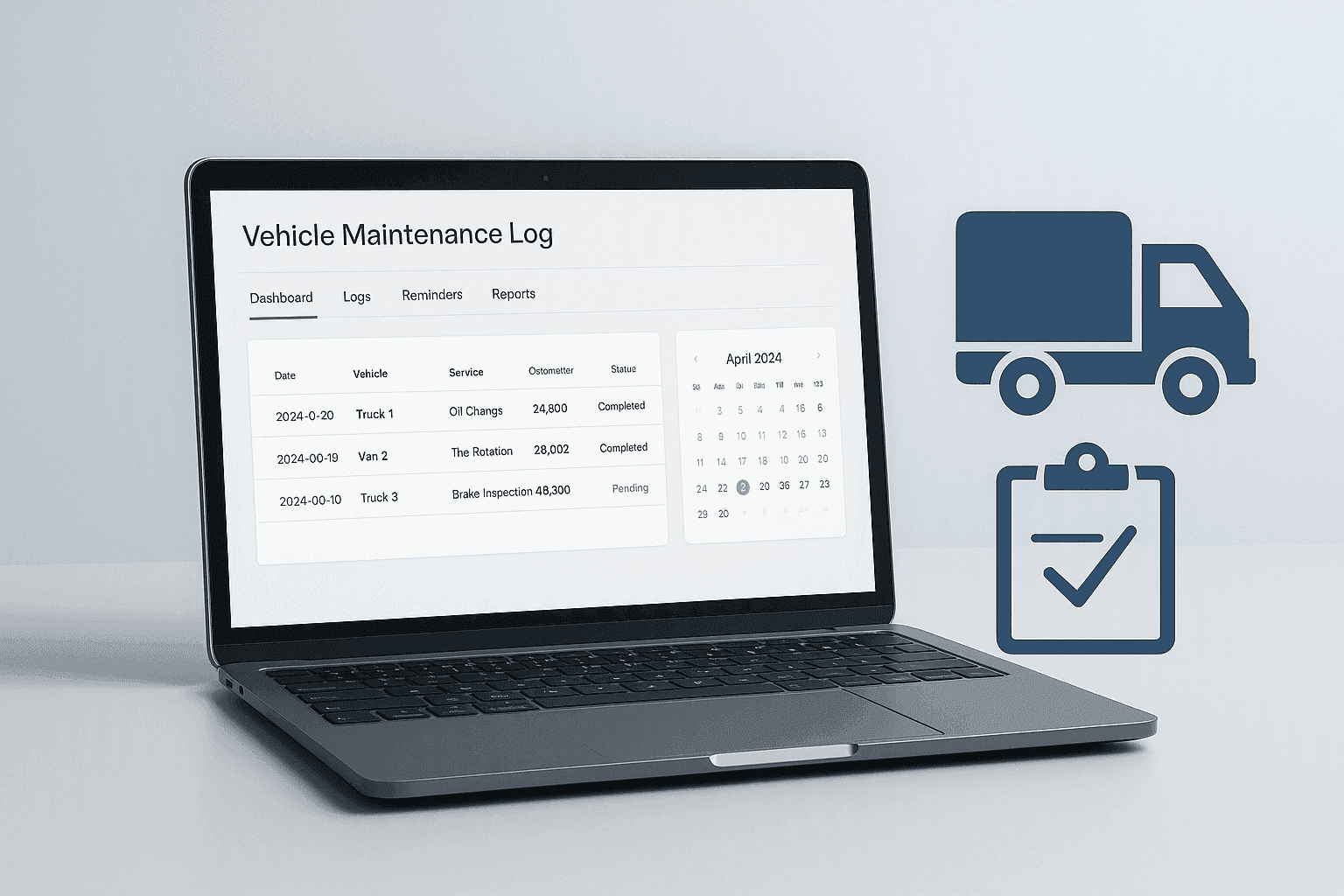
These features can replace fragmented spreadsheets and reduce the risk that critical dates are missed. Even a basic maintenance reminder system can help an operator schedule oil changes, tire inspections, annual safety checks, and registration renewals more consistently.
Trend One: Preventive Maintenance Is Becoming a Core Priority
Vehicle uptime remains one of the most important performance measures in fleet operations. An unplanned repair does not simply create a workshop invoice. It can also trigger missed appointments, delayed deliveries, overtime expenses, replacement vehicle costs, and customer dissatisfaction.
This is why preventive maintenance is moving from a back-office task to an operational priority. Free software can help establish the discipline needed to track recurring service intervals before a fleet invests in advanced telematics or maintenance automation. Vehicle maintenance log software trends show why this information is becoming increasingly strategic for delivery fleets.
How free maintenance tools support better habits
A free maintenance platform can support a more proactive process by helping teams:
- Create a maintenance schedule for every vehicle.
- Set reminders for inspections, servicing, and compliance events.
- Record completed work, parts used, and repair costs.
- Identify vehicles with recurring faults.
- Compare planned maintenance with unplanned repair activity.
The main value is consistency. When service information lives in individual notebooks, email threads, or drivers' memory, it is difficult to spot risks early. Centralized records make fleet maintenance easier to review and assign.
However, operators should check whether a free plan limits the number of vehicles, maintenance events, users, or reminders. A system that works for five vans may become restrictive when the business reaches 15 or 20 vehicles.
Trend Two: Mobile-First Fleet Operations Are Replacing Paperwork
Drivers, dispatchers, and fleet managers do not work exclusively from desks. They need to update information while vehicles are on the road, at a customer site, or in a depot. As a result, mobile accessibility has become a baseline expectation for fleet management platforms.
When researching a free vehicle fleet management software download, businesses should evaluate whether the tool is a genuine mobile app, a mobile-friendly web portal, or a desktop application with limited remote access.
Essential mobile capabilities to look for
A useful mobile fleet workflow may allow drivers or managers to:
- Complete pre-trip and post-trip vehicle inspections
- Upload photos of damage, defects, receipts, or documents
- Report mileage, fuel purchases, and maintenance issues
- Receive reminders for required checks
- View assigned jobs or delivery routes
- Communicate status updates to dispatch
Mobile workflows improve data quality because information is captured close to the event. For example, a driver who photographs tire damage during a walkaround can alert the fleet team before the vehicle begins a long delivery route.
Free tools may offer limited mobile functionality, such as basic inspection forms without offline access or automated alerts. That can still be useful, but organizations with remote drivers should test the app under real working conditions before adopting it across the fleet.
Trend Three: Delivery Visibility Is Expanding Beyond Vehicle Tracking
Traditional fleet management focused heavily on vehicle ownership, fuel, maintenance, and driver records. Modern logistics operations need a wider view that connects fleet activity to customer service.
Delivery businesses increasingly need to know more than where a vehicle is located. They also need to manage route progress, delivery exceptions, proof of delivery, customer notifications, and driver workloads.
This is where many free fleet systems reach their limits. A basic platform may store vehicle information effectively but lack the dispatch and delivery orchestration needed for high-volume operations.
The gap between fleet tools and delivery management
A free fleet product may be sufficient if your primary need is maintenance administration. It may not be enough if your team must coordinate dozens of daily stops, communicate accurate delivery windows, or react quickly to failed deliveries.
As operational complexity grows, look for capabilities such as:
- Route planning and route optimization
- Live driver status updates
- Automated ETA notifications
- Electronic proof of delivery
- Dispatch boards and job assignment
- Customer delivery tracking links
- Exception management and delivery analytics
A connected platform helps fleet managers make faster decisions. Instead of calling drivers to determine delivery status, dispatchers can use real-time information to reassign work, notify customers, and protect service levels.
Trend Four: Data Security and Integrations Matter More Than Ever
Free software can be an excellent learning tool, but it should still meet basic standards for security, data ownership, and reliability. Fleet records may contain driver contact information, vehicle documents, maintenance invoices, location data, and customer delivery details.
Before downloading or registering for a free product, review how the provider handles data. This is especially important for businesses that operate under privacy, safety, or industry-specific compliance requirements. Evolving fleet compliance software trends also reinforce the need for secure, connected records.
Questions to ask before choosing free fleet software
Use this checklist during your evaluation:
- Is the software cloud-based, and how often is data backed up?
- Can administrators control user permissions?
- Does the provider explain its privacy and data-retention policies?
- Can you export your vehicle, driver, and maintenance records?
- Does the platform integrate with GPS tracking, fuel cards, accounting tools, or delivery software?
- Are support resources available if the system stops working?
- What happens when you exceed the free plan's vehicle or user limits?
Integration readiness is particularly important. A standalone tool can solve an immediate problem, but disconnected systems often create more manual work later. If dispatch, maintenance, billing, and driver communication each live in separate platforms, teams may spend significant time copying data between them.
How to Choose the Right Free Fleet Management Software
The best free option is not necessarily the one with the longest feature list. It is the tool that solves your most urgent operational problem while giving you a realistic path to grow.
Start by identifying your top priority. Is it reducing missed maintenance? Managing driver compliance? Recording vehicle expenses? Improving delivery scheduling? Your answer should guide the evaluation.
A practical selection process
- Map your current workflow. Document how your team handles inspections, service requests, dispatching, and delivery updates today.
- List the data you need. Include vehicle details, maintenance schedules, driver documents, fuel records, and customer delivery information.
- Test with real users. Ask drivers, dispatchers, and fleet administrators to use the platform for a short pilot.
- Measure administrative time. Compare the time spent on updates, reporting, and follow-up before and after implementation.
- Plan for growth. Review pricing, integrations, and migration options before your fleet outgrows the free tier.
Avoid choosing a platform solely because it is free. A tool that lacks the workflows your team needs may create hidden costs through duplicate data entry, delayed decisions, and inconsistent service.
When It Is Time to Move Beyond Free Software
Free fleet software is most useful when a business is building foundational processes. It can help teams move away from spreadsheets, create service schedules, and establish accountability around inspections and records.
But growing operations usually need more automation and visibility. It may be time to upgrade when you encounter recurring problems such as limited users, manual route planning, incomplete delivery updates, disconnected customer communication, or reporting that cannot answer key performance questions.
A modern platform should support the full operational journey—from vehicle readiness and driver coordination to route execution and proof of delivery. That connected view helps teams reduce avoidable work while delivering a more reliable customer experience.
Build a Smarter Fleet Operation With Cooriroo
Choosing fleet management software free can be a practical first step, especially for businesses digitizing their fleet processes for the first time. Use free tools to clarify your workflows, establish maintenance discipline, and understand which data matters most to your team.
As your delivery volume, fleet size, and customer expectations increase, look for technology that connects fleet visibility with dispatch and delivery execution. Cooriroo helps delivery and logistics teams manage operations with greater control, clearer communication, and the flexibility to scale. Explore how a modern delivery management platform can help turn fleet data into better on-road performance.