Fleet Management Software for Small Business Growth

Running a small fleet can feel like managing a much larger operation. Dispatchers may rely on phone calls, drivers may use paper logs, and business owners may spend evenings reconciling fuel receipts, invoices, and delivery updates.
That approach can work for a few vehicles—until it creates missed deliveries, unexpected maintenance costs, customer complaints, or limited visibility into daily operations. Fleet management software for small business gives operators a practical way to replace fragmented processes with real-time data, structured workflows, and better control.
The market is shifting quickly. Small delivery businesses, trade contractors, field service providers, and local distributors now expect the same visibility once reserved for enterprise fleets. The most effective small fleet management software is no longer just a GPS map; it is a connected operating system for vehicles, drivers, routes, maintenance, and proof of delivery.
Trend 1: Small Fleets Are Moving From Spreadsheets to Connected Operations
Spreadsheets remain useful for planning, but they are not designed to manage live fleet activity. They cannot automatically show where vehicles are, notify a dispatcher about a late stop, or flag a vehicle that is overdue for service.
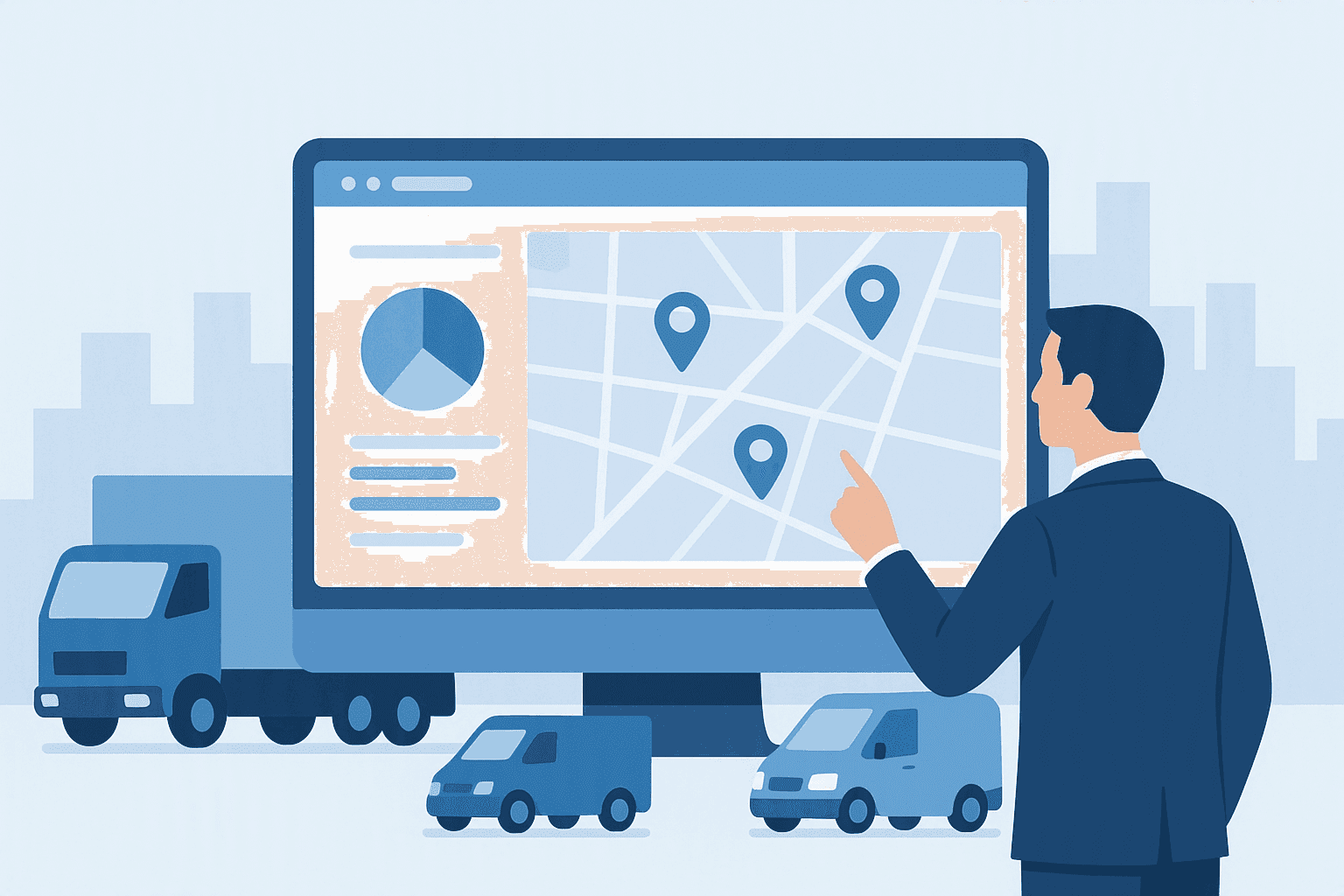
Small businesses are increasingly adopting cloud-based fleet tools because they can centralize information without requiring a complex IT project. With the right platform, a manager can view trips, assign jobs, track delivery progress, and review driver activity from one dashboard. These connected capabilities reflect broader fleet management software company trends that are reshaping how delivery operators manage daily work.
Why this shift matters
Manual processes often create operational blind spots. When dispatch, driver communication, vehicle records, and customer updates live in separate systems, teams spend more time chasing information than acting on it.
Connected fleet operations help small businesses:
- Reduce repetitive data entry
- Keep dispatchers informed about vehicle and job status
- Create a searchable record of completed work
- Respond faster to delays or exceptions
- Give customers more accurate delivery updates
For a growing company, the goal is not to add technology for its own sake. It is to establish repeatable processes that still work when the fleet expands from five vehicles to 15, 25, or more.
Trend 2: Real-Time Visibility Is Becoming a Customer Service Standard
Customers increasingly expect accurate arrival windows and proactive updates. This is especially true for last-mile delivery, courier operations, food distribution, home services, and B2B transportation.
Fleet tracking provides the live location data needed to make those updates possible. But location alone is not enough. Businesses need context: Is the driver traveling to the next stop, delayed in traffic, waiting at a customer site, or already finished?
From vehicle tracking to delivery visibility
Modern small fleet management software can connect route status with customer-facing delivery workflows. Dispatch teams can use live data to update estimated arrival times, reassign urgent jobs, and communicate exceptions before they become complaints.
Useful delivery visibility features include:
- Real-time vehicle location and route progress
- Stop-level job status updates
- Estimated time of arrival calculations
- Automated customer notifications
- Electronic proof of delivery, including signatures or photos
- Exception alerts for missed, delayed, or failed stops
This trend has a direct business impact. Better visibility helps businesses reduce inbound “where is my order?” calls while making customer communication more proactive and professional.
Trend 3: Route Optimization Is Shifting From Efficiency Tool to Profit Lever
Fuel, labor, vehicle wear, and overtime are closely tied to route quality. A route that adds only a few unnecessary miles per stop can significantly affect margins over a week or month.
For small fleets, route planning has often depended on dispatcher experience or driver familiarity with an area. That knowledge remains valuable, but route optimization software can add traffic conditions, delivery windows, stop priorities, vehicle capacity, and location data to the decision-making process.
What smarter routing can improve
Route optimization helps teams design routes that are practical, not simply short on a map. The best route may account for appointment times, service duration, driver breaks, restricted roads, and the order in which deliveries need to occur.
Businesses should look for tools that help them:
- Plan multi-stop routes in minutes rather than hours.
- Assign work based on driver availability and location.
- Adjust routes when a priority delivery or disruption occurs.
- Minimize avoidable backtracking and idle time.
- Compare planned routes with actual travel performance.
Small businesses should start with a clear baseline. Track total miles, stops per route, on-time completion, fuel usage, and driver hours before and after implementing routing tools. This makes it easier to identify which changes produce measurable value.
Trend 4: Preventive Maintenance Is Replacing Reactive Repairs
Unexpected breakdowns are expensive because the impact goes beyond the repair bill. A vehicle out of service can force missed appointments, rented replacement vehicles, delayed deliveries, overtime, and lost customer confidence.
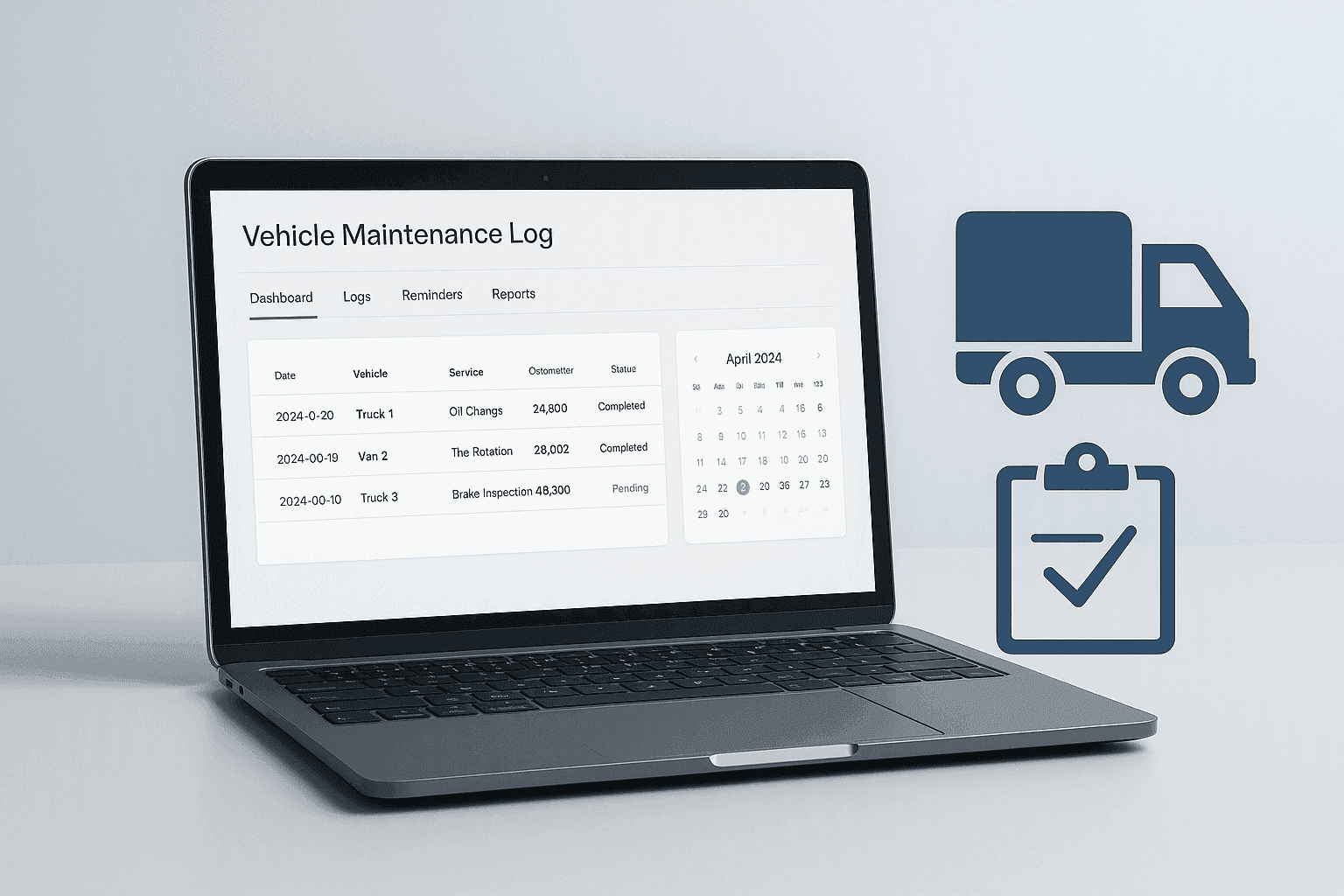
Preventive maintenance is becoming a core feature of fleet management software for small business because it gives owners a way to organize service schedules before issues become emergencies. Instead of relying on memory or paper files, teams can set maintenance rules based on mileage, engine hours, dates, or inspection results. For a closer look at this shift, explore vehicle maintenance log software trends.
Building a more reliable maintenance process
A strong maintenance workflow begins with complete vehicle records. Store service history, inspection notes, repair invoices, warranty details, and recurring maintenance schedules in one system.
Key practices include:
- Schedule oil changes, tire checks, and inspections by mileage or date
- Create alerts for upcoming service requirements
- Track recurring repair issues by vehicle
- Record vehicle downtime and repair costs
- Require drivers to complete pre-trip and post-trip inspections
Over time, this information helps managers identify vehicles that may be costing more to maintain than they contribute. It also supports smarter replacement decisions rather than relying solely on vehicle age or intuition.
Trend 5: Driver Safety Data Is Becoming More Actionable
Safety has always been essential, but fleet technology is changing how small businesses manage it. Telematics and driver behavior data can identify patterns such as harsh braking, rapid acceleration, excessive idling, speeding, or unauthorized vehicle use.
The purpose should not be constant surveillance. The purpose is to create safer, more consistent driving habits and to protect drivers, vehicles, customers, and the business.
A coaching-first approach works best
Small fleets often have close relationships with drivers. That creates an opportunity to use safety data constructively. Managers can discuss patterns privately, recognize positive performance, and provide targeted training where needed.
A practical driver safety program should:
- Define clear policies for speeding, idling, phone use, and inspections
- Review safety events in regular one-to-one conversations
- Focus on trends rather than isolated incidents
- Give drivers a way to explain unusual events
- Recognize safe driving and reliable service performance
When used fairly, safety data can improve accountability without damaging trust. It can also provide useful documentation when investigating incidents or responding to insurance questions.
Trend 6: Mobile-First Workflows Are Reducing Dispatch Friction
Drivers need tools that fit into the reality of field work. They cannot return to the office after every stop to collect paperwork or report status. Mobile fleet applications let drivers receive assignments, navigate routes, capture proof of delivery, report issues, and communicate with dispatch from the road.
This is especially valuable for businesses managing deliveries, service calls, installations, pickups, and field teams. A mobile workflow creates a shared version of the truth: dispatch sees job updates as they happen, while drivers receive the latest instructions without repeated calls and texts.
Features that matter for driver adoption
The best small fleet management software should be simple enough that drivers will actually use it. Look for clear job screens, fast status updates, reliable navigation, easy document capture, and minimal manual typing.
Before rollout, involve drivers in testing the workflow. Ask where delays occur, which fields are unnecessary, and what information they need before arriving at a stop. Adoption improves when technology removes friction instead of adding administrative work.
Trend 7: Small Businesses Are Prioritizing Scalable, Integrated Platforms
A low-cost tool can become expensive if it creates new silos. As operations grow, small businesses need systems that connect fleet data with dispatch, delivery management, customer communication, reporting, and business processes.
The trend is toward flexible platforms that allow a company to start with essential capabilities and add more features as needs change. This approach helps avoid paying for enterprise complexity before it is needed while preventing a costly system replacement later.
How to evaluate fleet software
When comparing fleet management tools, focus on operational fit rather than a long feature list. Ask these questions:
- Does the software support our actual delivery or service workflow?
- Can dispatchers see route, driver, and job status in one place?
- Does it provide useful reports without requiring manual exports?
- Can it integrate with existing accounting, CRM, or order systems?
- Is pricing clear as vehicles, users, or jobs increase?
- Does the provider offer onboarding and responsive support?
For a broader comparison of available options, review the best fleet management software tools for 2026. A platform should help your team make faster decisions. If it creates duplicate work, requires excessive training, or produces reports no one uses, it is unlikely to deliver lasting value.
The Next Step: Build a Data-Driven Small Fleet
The future of small fleet operations is not about replacing people with software. It is about giving owners, dispatchers, and drivers the information they need to make better decisions every day.
Fleet management software for small business can help reduce avoidable miles, improve delivery communication, protect vehicle uptime, support safer driving, and create a more scalable operation. Start by identifying one or two high-impact problems—such as late deliveries, maintenance surprises, or inefficient dispatch—and choose software that directly addresses them.
Cooriroo helps delivery and fleet operators bring routing, dispatch, tracking, driver workflows, and delivery visibility into one modern platform. Explore how the right small fleet management software can help your business deliver more reliably, operate more efficiently, and grow with confidence.