Delivery Planning Software Free: 2026 Fleet Trends
Delivery Planning Software Free: What Is Changing in 2026?
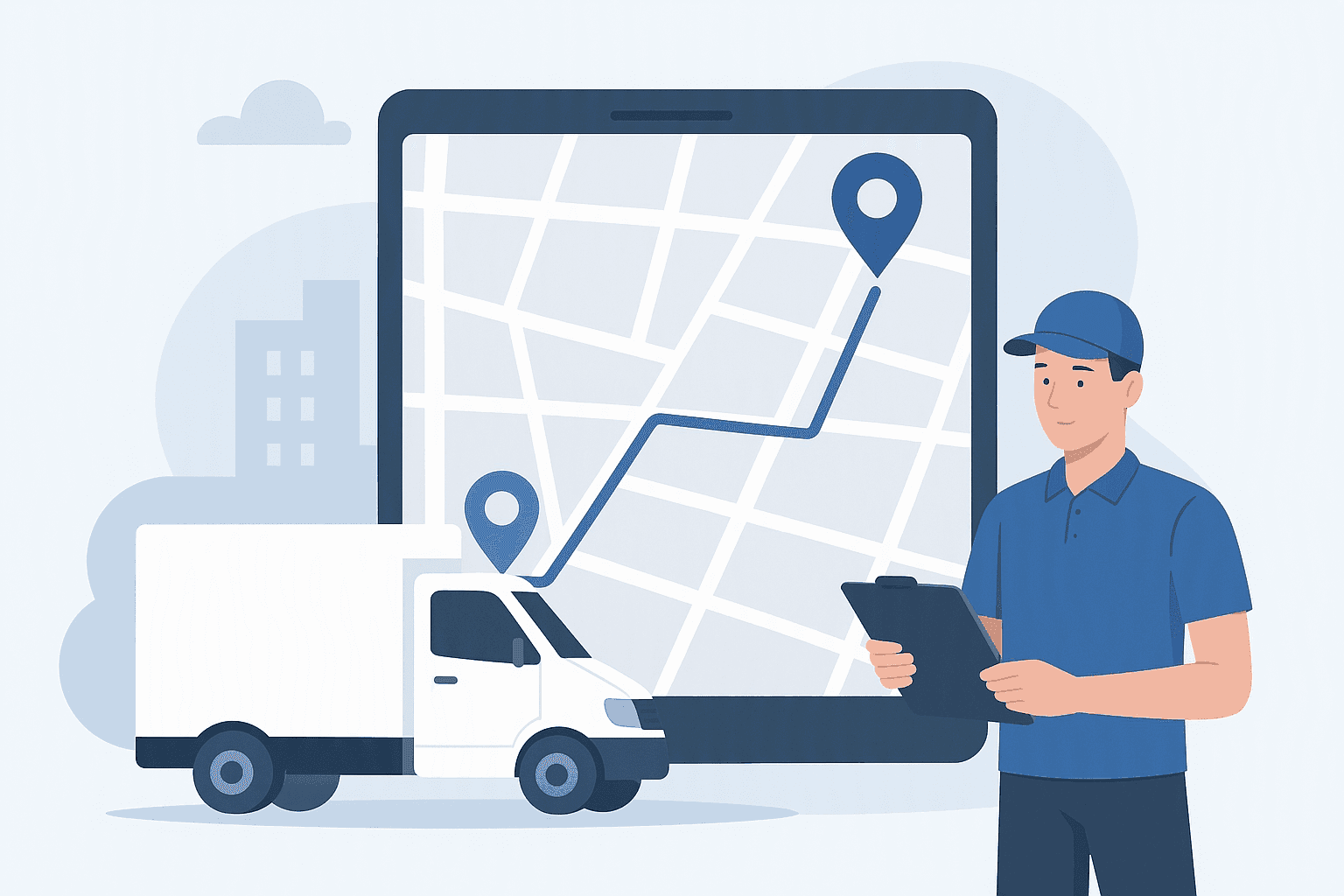
Free routing tools have become an essential starting point for independent drivers, local couriers, and growing delivery fleets. What once required spreadsheets, paper maps, and manual dispatch calls can now be handled by a delivery planning software free solution in minutes.
But the definition of “free” is changing. Delivery operators increasingly need more than a map with pins: they need optimized stop sequences, proof of delivery, live driver visibility, customer notifications, and reporting. In 2026, the best approach is to use free route-planning capabilities strategically while building a clear path toward scalable fleet operations.
This guide explores the biggest trends shaping free delivery planning tools, what businesses should look for, and how to choose a platform that supports growth rather than creating new operational bottlenecks.
Free Multi-Stop Routing Is Becoming the Baseline
The first major shift is simple: multi-stop planning is no longer a premium-only need. Even a small local delivery business may complete 10, 25, or 100 stops in a day. Planning those stops manually creates unnecessary mileage, late deliveries, and inconsistent driver workloads.
A delivery route planner multiple stops tool helps dispatchers arrange stops in a practical order based on location, distance, and, in more advanced systems, delivery constraints. This can reduce the time spent comparing addresses and moving pins around a map. For a broader look at how these capabilities are evolving, see Delivery Route Mapping Software Free: Trends to Watch.
What free multi-drop tools typically provide
A free multi drop delivery route planner often includes core features such as:
- Address import through manual entry, CSV upload, or copy-and-paste
- Stop sequencing for a single driver or vehicle
- Route visualization on a map
- Navigation links for drivers
- Basic distance and estimated travel-time calculations
- Shareable routes for field teams
These features are especially useful for owner-drivers, small retailers with local deliveries, service businesses, and early-stage courier operations.
However, businesses should review the fine print. A free plan may limit the number of stops, route optimizations, drivers, route exports, or planning days. It may also omit operational capabilities that become critical once the delivery volume increases.
Unlimited Stops Are a Major Decision Point
Search demand for a free delivery route planner unlimited stops reflects a real logistics problem: delivery volume is rarely static. A driver may have 12 stops one day and 70 the next, particularly during promotions, holidays, or seasonal peaks.
Unlimited-stop claims need careful evaluation. Some platforms allow unlimited address entry but restrict optimization. Others permit unlimited stops only on a trial basis, while some offer a free route builder but require a paid plan for live tracking, dispatching, or route edits.
Questions to ask before choosing a free tool
When comparing a free route delivery planner, ask these practical questions:
- Does the tool optimize the route or only display stops on a map?
- Is there a cap on stops per route, routes per day, or users?
- Can drivers receive route changes after leaving the depot?
- Does the route account for delivery time windows or service durations?
- Can dispatchers plan routes for multiple vehicles at once?
- Is navigation available through a mobile app or external map application?
- What happens to historical route and delivery data after the free trial ends?
For occasional low-volume use, a basic free planner can be enough. For daily commercial operations, the ability to adjust routes, monitor progress, and manage exceptions matters just as much as stop count. These are also key considerations when evaluating routing programs for delivery.
Mobile-First Delivery Planning Is Now Essential
Drivers do not work from desktop dashboards once they are on the road. That is why the delivery route planner free app category continues to grow. Mobile access enables drivers to view assigned stops, launch navigation, record delivery status, and report issues without calling dispatch for every change.
A useful free route planner for delivery drivers should make the driver workflow simpler, not add administrative work. Large buttons, clear stop details, quick status updates, and offline-friendly map access are all valuable in real delivery conditions. Route Planner App for Delivery Drivers: 2026 Trends explores how mobile routing tools are expanding beyond basic stop sequencing.
Features drivers value most
From a driver’s perspective, route optimization is only one part of a successful day. The strongest mobile tools also support:
- One-tap navigation to the next stop
- Customer notes, gate codes, and delivery instructions
- Contactless proof of delivery options
- Photo capture and signature collection
- Failed-delivery reason codes
- Real-time route updates from dispatch
- Stop-level arrival and completion timestamps
These functions improve accountability and reduce disputes. They also give dispatch teams more accurate information when customers ask where their order is.
Cross-Platform Access Matters, Including for Mac Users
Operations teams use a mix of devices. Dispatch may happen from a Windows workstation, an Apple laptop, a tablet, or a browser in the warehouse. As a result, searches for a delivery route planner mac are becoming more common among small and midsize operators.
A browser-based delivery platform is often the most flexible option because it avoids device-specific installation requirements. Teams can plan routes from a Mac, manage drivers from a PC, and run routes through iOS or Android mobile apps.
For businesses evaluating a delivery route planner free online, web access should not be the only criterion. Confirm that the platform provides secure user permissions, reliable data synchronization, and a mobile workflow that matches the desktop plan.
Why connected workflows outperform standalone apps
A standalone route app can help a single driver find a better order of stops. A connected delivery platform helps the entire operation coordinate.
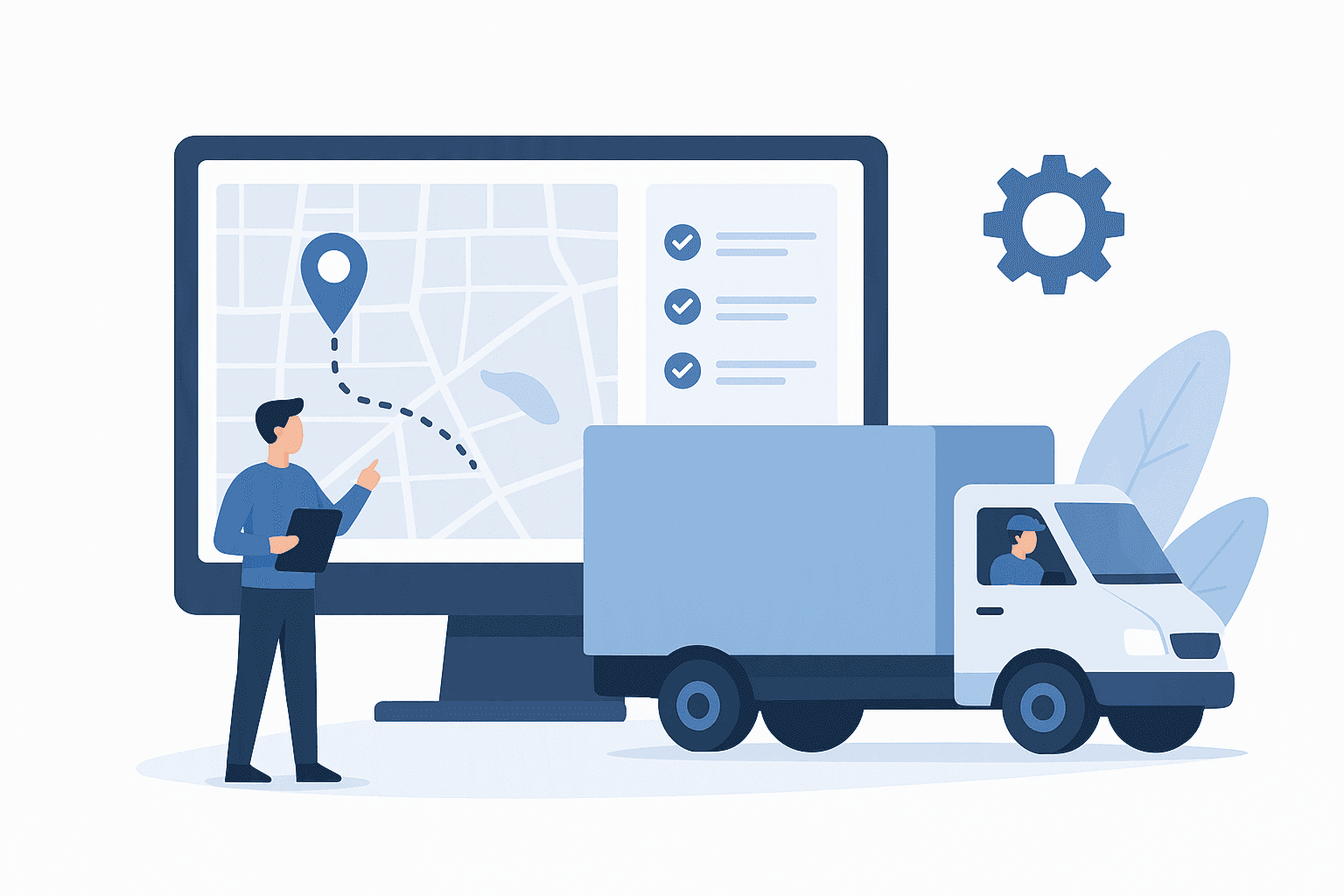
For example, a dispatcher can assign a route, the driver can begin navigation, customers can receive estimated arrival updates, and managers can review completed deliveries from one system. This connected workflow reduces manual handoffs and makes it easier to identify where delays occur.
Open-Source Tools Offer Flexibility but Require Resources
An open source delivery route planner can appeal to businesses that want control over their data, routing logic, and integrations. Open-source mapping and route-optimization projects can be useful building blocks for technically capable organizations.
They are not always “free” in an operational sense, however. While there may be no software license fee, a business still needs people to configure the software, maintain servers, connect mapping services, manage updates, and support drivers.
When open-source route planning makes sense
Open-source options can be a strong fit when a company has:
- An in-house development or IT team
- Specialized routing requirements
- Existing systems that need custom integration
- Strict data-hosting or governance requirements
- Enough scale to justify ongoing technical maintenance
For most small delivery businesses, a cloud-based platform is faster to deploy and easier to support. The right choice depends on total cost of ownership, not just the initial price tag.
Route Optimization Is Expanding Beyond Distance
The best free route planner for delivery drivers should not simply choose the shortest route on a map. Real delivery planning depends on the constraints behind each stop.
A route that is shortest by distance may be slowest in reality because of traffic patterns, loading restrictions, delivery windows, parking availability, road limitations, or the time required to complete a handoff.
Modern route-planning systems increasingly consider operational variables such as:
- Time windows and promised delivery slots
- Driver shifts and break requirements
- Vehicle capacity and load sequence
- Vehicle type, height, weight, or access restrictions
- Stop service time
- Depot start and end locations
- Priority orders and urgent redeliveries
- Dynamic traffic and on-road disruptions
Free tools generally focus on the foundational version of this problem: sequencing stops efficiently. As businesses grow, they should look for a solution that can support these additional rules without forcing dispatchers back into spreadsheets.
Customer Visibility Is Becoming a Competitive Advantage
Today’s delivery recipients expect information, not uncertainty. A route may be technically efficient, but the customer experience suffers if recipients do not know when to expect a driver or what to do after a missed delivery.
That is why delivery planning is increasingly connected with customer communication. Automated notifications, tracking links, accurate estimated arrival windows, and proof of delivery can reduce inbound support calls and build trust.
A free tool may not include branded tracking or messaging automation, but businesses should consider these capabilities when selecting a long-term platform. They help transform delivery from a cost center into a service differentiator.
How to Start With Free Delivery Planning Software
A delivery route planning software free option is most effective when teams establish a repeatable process around it. Technology cannot fix incomplete addresses, unclear customer instructions, or last-minute orders that never reach the dispatch board.
A practical implementation checklist
Use these steps to get value quickly:
- Clean your delivery data. Standardize addresses, contact details, delivery notes, and service times.
- Define operating constraints. Document vehicle capacity, driver shifts, depot locations, and delivery promises.
- Test with real routes. Use a week of actual orders instead of a small sample set.
- Compare planned versus actual results. Track miles, driving time, late stops, failed deliveries, and overtime.
- Get driver feedback. Drivers can identify access issues and unrealistic route assumptions quickly.
- Plan for growth. Choose a platform that can add drivers, routes, tracking, and proof of delivery when needed.
The goal is not merely to create a route. It is to build a dependable delivery operation that can adapt when order volumes, customer expectations, and service areas change.
The Future of Free Delivery Route Planning
Free delivery planning tools will continue to make route optimization more accessible. For new businesses, a delivery route planner free online solution can eliminate much of the guesswork involved in organizing a daily run. For established fleets, free tools can serve as a low-risk way to test workflows or support smaller service areas.
Yet delivery operations eventually outgrow disconnected tools. As stop volumes rise, teams need multi-driver planning, live route visibility, proof of delivery, customer communications, performance analytics, and flexible automation in one place. These changes reflect the wider trends shaping last-mile delivery routing software.
Cooriroo helps delivery businesses move beyond manual planning with smarter route optimization, real-time fleet visibility, and workflows designed for reliable last-mile operations. Start with the capabilities you need today, then build a delivery operation ready for tomorrow’s demand.