Routing Programs for Delivery: Features and Trends
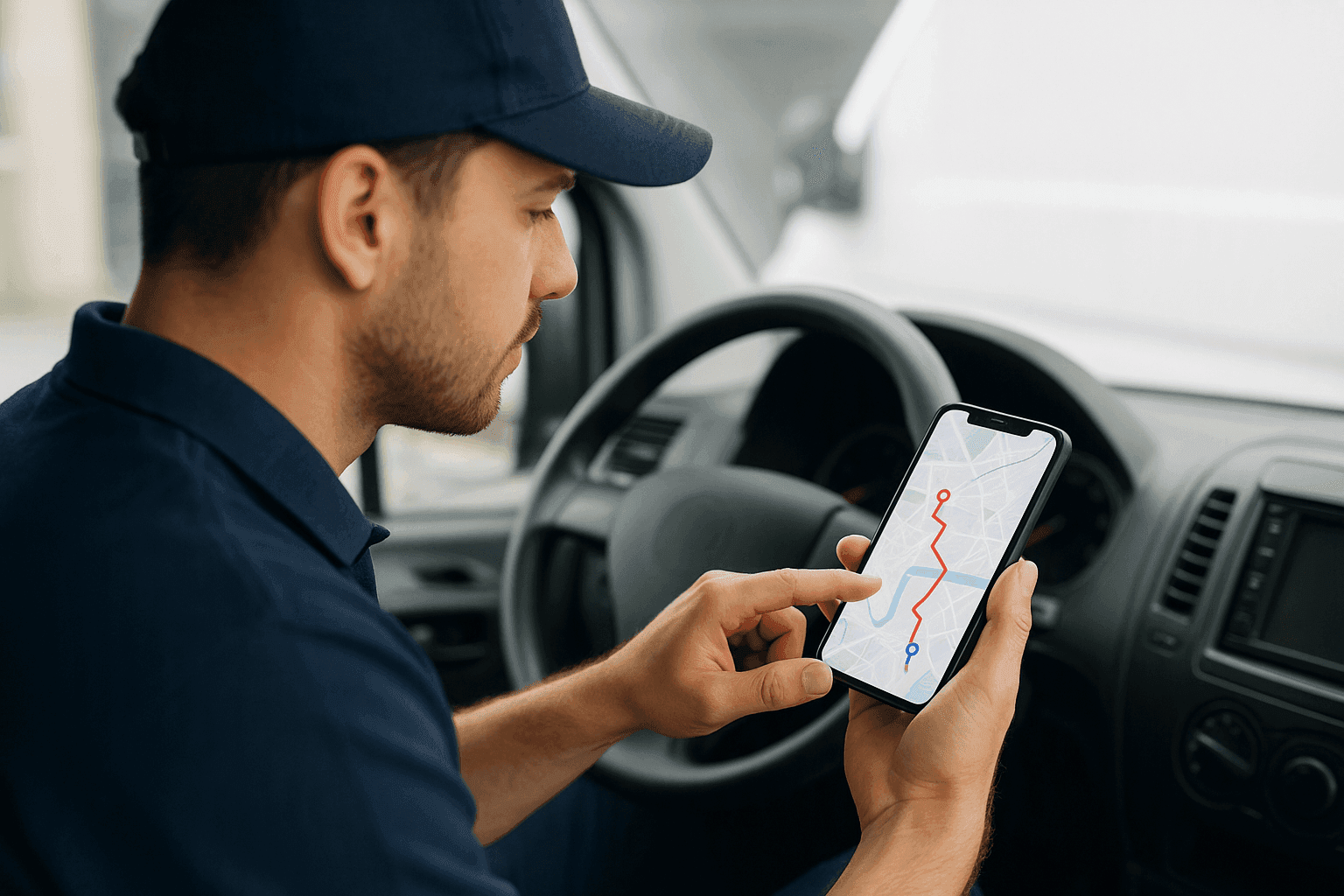
Last-mile delivery is where customer expectations, driver productivity, and operating costs meet. A route that looks efficient on a map can quickly become unprofitable when it ignores traffic, delivery windows, vehicle capacity, driver hours, or a new urgent order.
That is why routing programs for delivery have become essential tools for courier companies, retailers, field service teams, wholesalers, and growing local delivery operations. Modern route planning software does more than place stops in sequence: it helps dispatchers make faster decisions, gives drivers clearer instructions, and creates a more reliable experience for customers.
The market is also changing quickly. Free route planners can help small teams get started, while advanced platforms now combine real-time tracking, automated dispatching, proof of delivery, customer notifications, and fleet analytics. Understanding route planner app trends for delivery drivers can help delivery businesses choose technology that supports both today’s routes and tomorrow’s growth.
Route Optimization Is Replacing Basic Route Planning
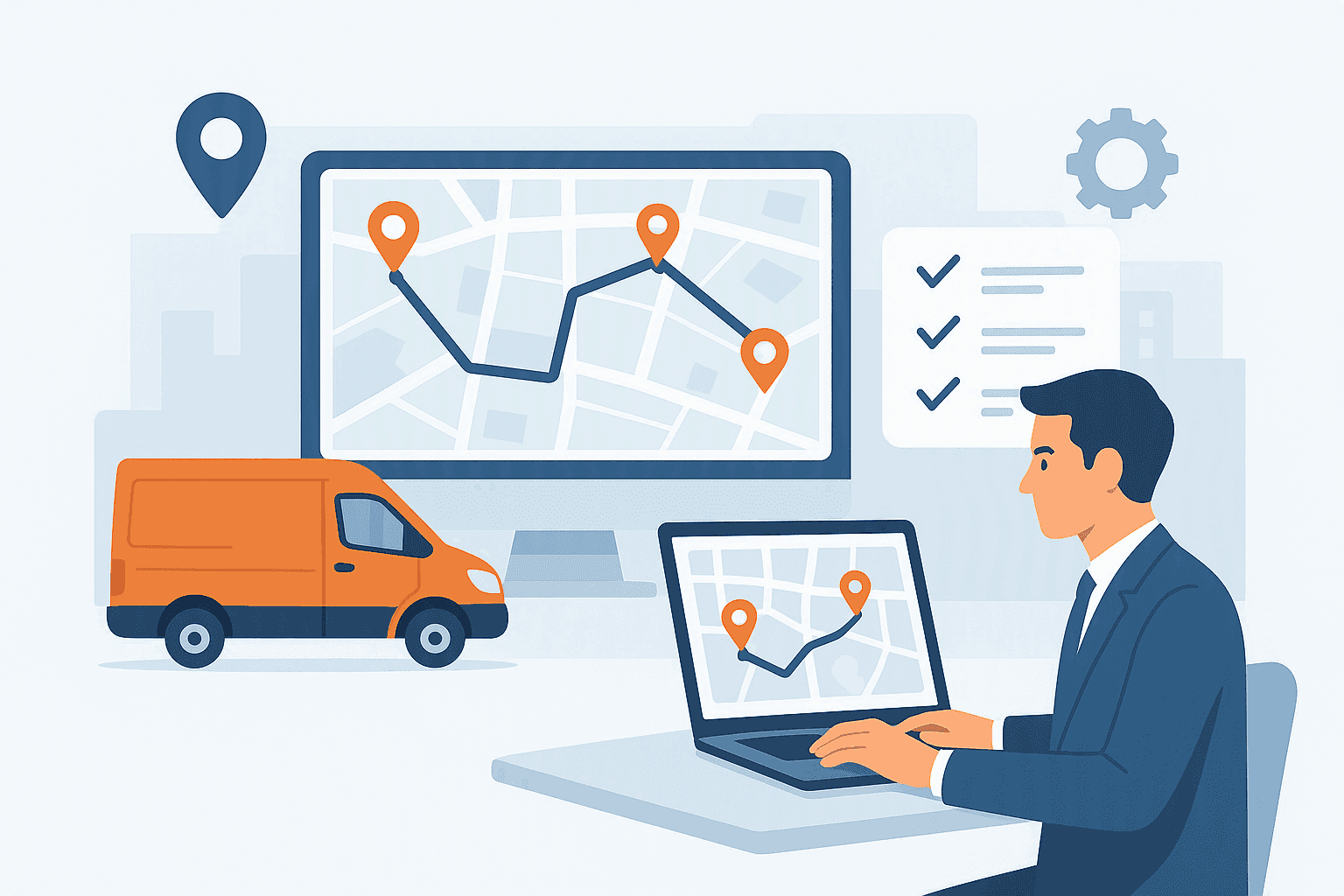
Traditional route planning often starts with a dispatcher manually entering addresses into a mapping tool. This may work for a handful of daily stops, but it becomes difficult to manage as order volume, delivery windows, driver teams, and service areas expand.
Route optimization takes a more practical approach. Instead of finding only the shortest distance, routing programs for delivery evaluate multiple constraints to build routes that work in real operating conditions.
What modern optimization considers
A capable delivery routing system can account for factors such as:
- Delivery time windows and promised arrival times
- Stop priority, including same-day or urgent deliveries
- Vehicle capacity, weight, volume, and load type
- Driver shifts, break requirements, and skills
- Service time required at each stop
- Traffic patterns and road restrictions
- Depot locations and driver start or end points
- Zone balancing across multiple drivers
- Failed-delivery risks and special delivery instructions
The best route is not always the route with the fewest miles. For example, a route with slightly more distance may reduce late deliveries, avoid an overloaded driver, or allow a vehicle to complete more high-value stops within the same shift.
For fleet managers, this shift changes routing from an administrative task into an operational advantage. Dispatchers spend less time rearranging stops, while drivers receive routes that are more realistic and easier to execute.
Real-Time Routing Is Becoming a Standard Expectation
Static route plans are vulnerable to disruption. Traffic congestion, a canceled order, vehicle trouble, weather events, and customer availability can all change the plan after drivers leave the depot.
As a result, real-time route adjustment is one of the most important trends in delivery logistics. Modern platforms use live traffic information, driver GPS location data, and incoming order details to help dispatchers respond without rebuilding every route manually.
How dynamic routing improves operations
Dynamic routing can help a delivery team:
- Insert a new order into the most suitable active route.
- Reassign a stop when a driver is delayed or unavailable.
- Reroute vehicles around congestion, road closures, or restricted areas.
- Update customers with revised estimated arrival times.
- Protect priority deliveries when service conditions change.
This capability is especially valuable for on-demand, same-day, grocery, pharmacy, and B2B delivery operations. In these sectors, customers expect businesses to react quickly, not simply explain why a delivery was late.
However, automation should support dispatchers rather than eliminate operational judgment. Dispatch teams still need visibility into why a route was changed, whether a reassignment affects customer commitments, and whether drivers can safely complete the revised plan.
AI and Predictive Data Are Making Routes More Practical
Artificial intelligence is increasingly shaping route planning, but the most useful applications are practical rather than flashy. AI-powered routing programs for delivery can identify patterns in historical operations and use them to improve future route decisions.
For instance, a platform may learn that a particular building consistently requires longer service time, that a city zone is slower during school pickup hours, or that certain delivery windows create frequent missed-delivery attempts. These insights make planned routes more realistic.
Emerging predictive routing capabilities
Leading delivery technology is moving toward features such as:
- Predicted arrival times based on historical route performance
- More accurate service-time estimates by stop type
- Demand forecasting by delivery zone or day of week
- Suggested driver-to-route assignments
- Proactive warnings for capacity or lateness risks
- Smarter batching of orders before dispatch
Predictive tools are most effective when the underlying data is clean. Accurate addresses, correct service times, reliable driver status updates, and consistent proof-of-delivery records all improve route recommendations over time.
Businesses should be cautious about treating any AI output as automatically correct. A strong routing platform should allow dispatchers to review routes, apply local knowledge, and override recommendations when conditions demand it.
Free Delivery Routing Programs Have a Place—but Limits Matter
Searches for routing programs for delivery free are common among startups, local retailers, and owner-driver operations. Free tools can be useful for testing route planning workflows, managing a small number of stops, or comparing the value of route optimization before committing to paid software.
A free solution may offer basic address imports, stop sequencing, map views, and navigation links. These features can save time compared with manually plotting every destination.
When free route planning tools can work
Free routing software may be a suitable starting point when your operation has:
- A small and stable number of daily stops
- One driver or a very limited fleet
- Few delivery time windows
- Minimal need for customer communications
- No complex capacity, compliance, or proof-of-delivery requirements
Common limitations of free tools
As delivery volume grows, free tools often introduce operational constraints. These may include stop limits, restricted route imports, limited support, fewer integrations, no automated dispatching, and limited real-time driver tracking.
A free tool can also create hidden costs if dispatchers need to maintain spreadsheets, manually message customers, or repeatedly rebuild routes when orders change. The right question is not simply whether a platform is free. It is whether it reduces total delivery effort and supports a consistent customer experience.
Before selecting a solution, review its limits on users, drivers, stops, route history, mobile features, and data exports. A low-cost or free plan is most valuable when it gives your team a clear path to scale without replacing its core workflow later.
Customer Visibility Is Now Part of Route Management
Routing used to be an internal fleet activity. Today, customers expect delivery visibility, accurate time estimates, and simple ways to communicate delivery preferences.
This makes customer-facing features a critical part of delivery routing technology. When a route changes, the system should help the business communicate quickly rather than leaving customer service teams to answer avoidable “Where is my order?” calls. Last-mile tracking software trends show why real-time visibility has become central to the delivery experience.
Features that improve the delivery experience
Look for routing programs that support:
- Branded delivery tracking pages
- Estimated time of arrival notifications
- SMS or email delivery updates
- Driver arrival alerts
- Digital proof of delivery, including photos or signatures
- Customer notes and safe-drop instructions
- Failed-delivery status updates and rescheduling workflows
These capabilities benefit both sides of the delivery. Customers receive clearer information, while operations teams gain fewer inbound inquiries and better records when disputes arise.
For businesses with repeat deliveries, visibility also supports retention. A reliable and transparent delivery experience can be a meaningful differentiator when products, pricing, and service areas are otherwise similar.
Integrated Delivery Platforms Are Reducing Manual Work
Another major trend is integration. Route planning is more valuable when it connects with the systems that create, manage, and close delivery orders.
Without integration, teams may export order lists, clean addresses, assign drivers in spreadsheets, send route details through messaging apps, and manually update order statuses later. Each handoff creates delays and opportunities for errors.
High-value integrations to prioritize
Depending on your business model, consider integration with:
- Ecommerce platforms and online ordering systems
- Point-of-sale and order management software
- Warehouse management systems
- Customer relationship management tools
- Accounting and billing platforms
- Telematics, GPS, and fleet maintenance systems
- Driver communication applications
An integrated platform can automatically import orders, validate delivery addresses, create routes, dispatch work to drivers, collect completion data, and return delivery status to the original order system. This creates a more connected workflow from checkout or order entry through final proof of delivery.
For fleet leaders, integration also improves reporting. Instead of comparing disconnected data sets, teams can analyze planned versus actual routes, stop completion rates, driver utilization, on-time performance, and exceptions in one place.
Sustainability Is Influencing Routing Decisions
Delivery operators face growing pressure to reduce fuel use, emissions, and unnecessary vehicle miles. While electric vehicles and alternative fuels receive much of the attention, better routing is one of the most immediate ways to improve delivery efficiency.
Route optimization can reduce avoidable driving by grouping stops intelligently, balancing workloads, avoiding duplicate trips, and selecting practical delivery sequences. It can also help businesses identify areas where micro-depots, new delivery zones, or alternative vehicle types could improve operations. These delivery route planning software trends also highlight the growing role of green routing in fleet strategy.
For electric fleets, routing becomes even more strategic. The platform may need to consider battery range, payload, charging locations, charge duration, and the impact of temperature or traffic on energy use.
Sustainability reporting is also becoming more important for larger shippers and business customers. Delivery companies that can measure route efficiency and vehicle utilization are better positioned to explain their environmental progress with operational evidence.
How to Choose the Right Delivery Routing Program
The right software depends on the complexity of your delivery operation, not just the number of drivers. Start by mapping your current workflow and identifying the most costly bottlenecks.
Ask these questions during evaluation
- How many stops, drivers, and delivery zones do we manage today?
- How quickly do routes change after drivers depart?
- Do we need time-window, capacity, or multi-depot optimization?
- Can drivers use the mobile app easily while in the field?
- Do customers need live tracking and delivery notifications?
- Which order, warehouse, or ecommerce systems must connect?
- Can we compare planned routes with actual route performance?
- Does the platform offer scalable pricing and responsive support?
A pilot is often the best way to evaluate a routing program. Test it with real delivery data, not only a polished demo route. Measure planning time, route quality, driver adoption, on-time performance, customer communication, and the number of manual interventions required each day.
The Future of Delivery Routing Is Connected and Adaptive
Routing programs for delivery are evolving from simple stop sequencers into intelligent operating systems for the last mile. The strongest solutions combine optimization, real-time visibility, driver workflows, customer communication, and performance data in a single connected platform.
Free route planners can be useful for early-stage operations, but growing businesses should plan for the complexity that comes with more orders, more drivers, and higher customer expectations. The goal is not merely to create shorter routes. It is to create delivery operations that are dependable, adaptable, and profitable.
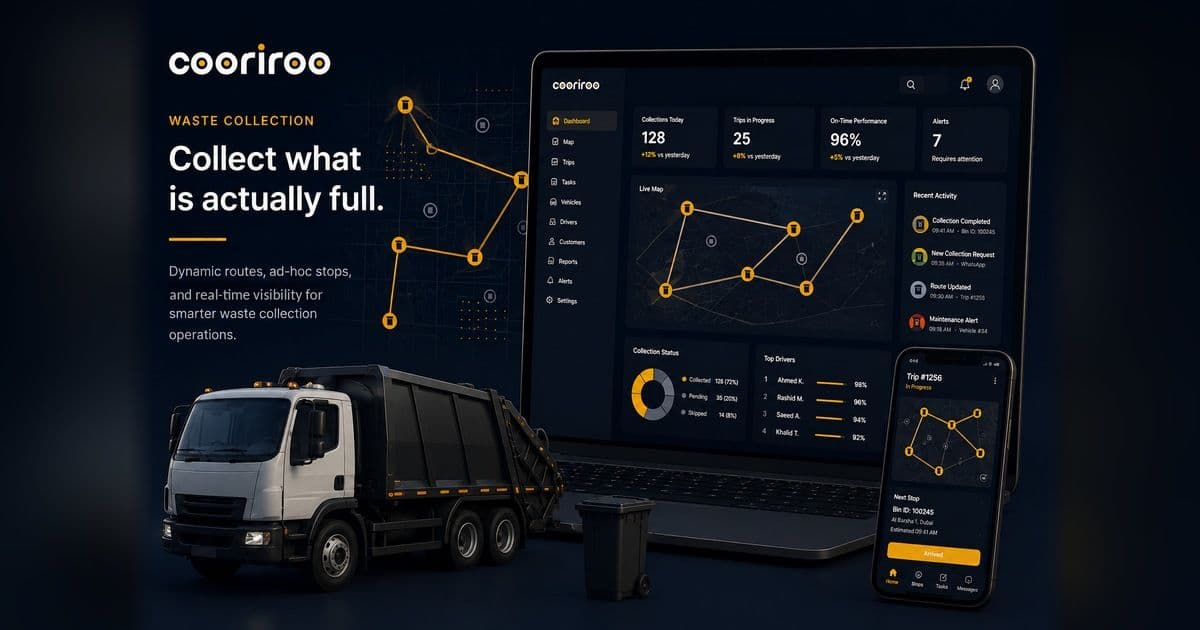
Cooriroo helps delivery businesses manage routes, drivers, dispatch, and delivery visibility from one modern platform. Explore how smarter route planning can help your team reduce manual work, improve service performance, and scale delivery with confidence.