Introduction
The logistics and delivery industry is evolving at a rapid pace, and GPS fleet software sits at the heart of this transformation. As businesses strive for greater efficiency, transparency, and cost savings, robust fleet GPS tracking software is more crucial than ever. This article unpacks the top industry trends shaping the future of vehicle tracking fleet management systems and explores how operators can capitalize on these advancements to stay ahead in 2024. For a broader look at how technology and safety innovations are impacting the sector, you might also want to explore game-changing trends in logistics fleet management.
Increasing Adoption of Cloud-Based GPS Fleet Software
Cloud technology is revolutionizing fleet management tracking systems. According to recent industry surveys, over 60% of fleet operators now use cloud-based GPS tracking software solutions for real-time access and scalability.
- Remote monitoring: Managers can oversee their vehicle fleet tracking system from any location.
- Automatic updates: Cloud platforms roll out new features seamlessly.
- Cost-effective: Lower upfront investment compared to legacy hardware solutions.
Cloud adoption enables businesses to scale fleets without worrying about server maintenance or complicated updates. Small business fleet tracking is especially benefitting, with free solutions like GPSWOX Free making management accessible for startups. For deeper insights into the impact of cloud technology on fleet operations and the latest advancements, review emerging trends in cloud based fleet management software.
Advanced Analytics and Data-Driven Decision Making
Fleet GPS tracking software is no longer limited to location tracking. Modern platforms offer robust analytics dashboards that help operators optimize routes, reduce fuel consumption, and improve driver performance.
- Performance metrics: Real-time reporting on vehicle usage and driver behavior
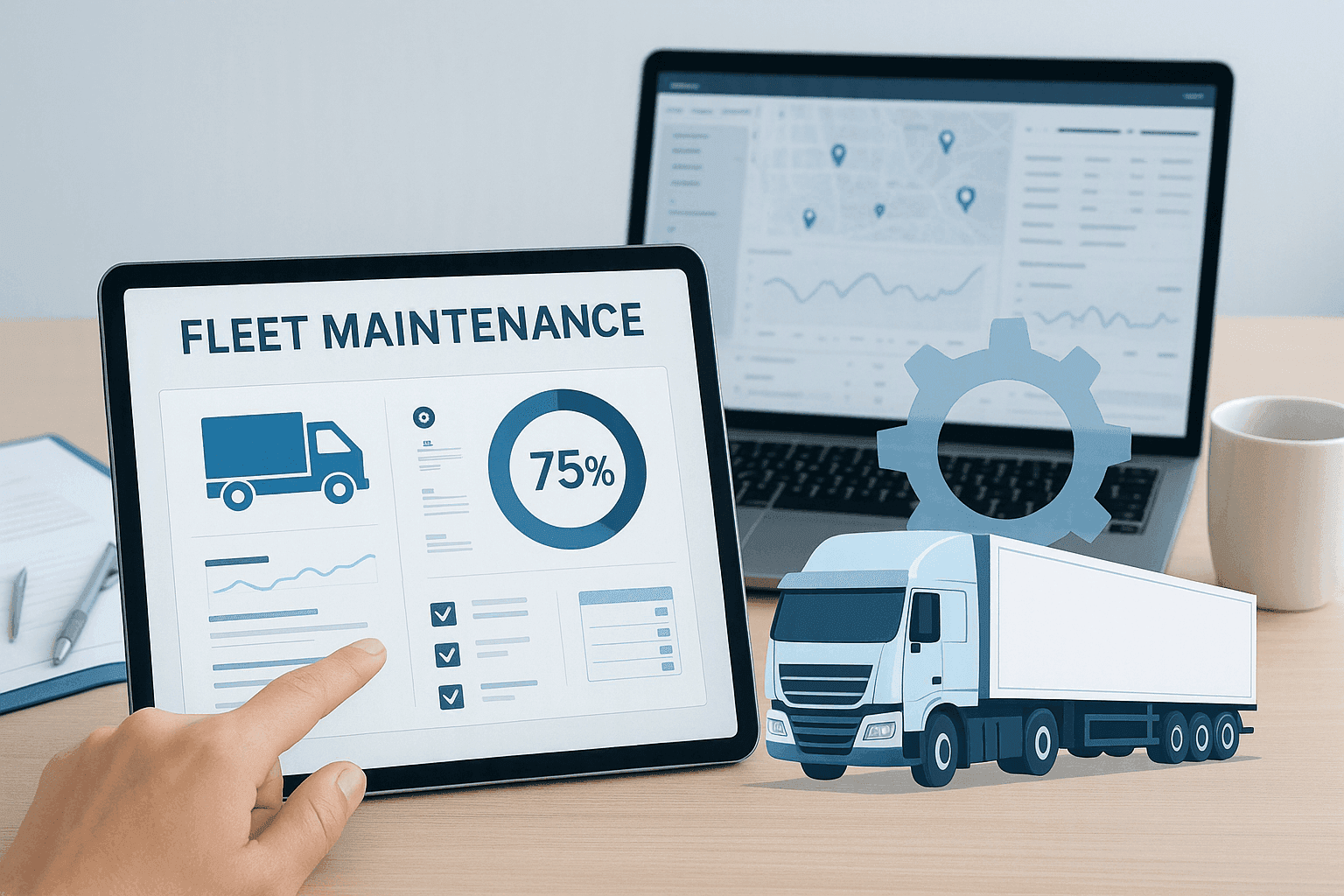
- Predictive maintenance: Algorithms flag vehicles at risk for breakdowns based on usage data
- Cost control: Analytics uncover inefficiencies for immediate resolution
White label fleet management software often integrates with business intelligence tools, empowering enterprises to customize their analytics to unique operational needs. Expert insights show that fleets using advanced GPS tracking and dispatch systems improve delivery times by 15% and reduce fuel costs by up to 20%. If you’re interested in how these analytics are reshaping fueling operations specifically, check out industry trends in fuel fleet management software.
Integration with Field Service and Dispatch Management
Modern GPS tracker fleet management software isn’t just for vehicle tracking—it’s bridging communication between field service teams and dispatchers.
- Unified platforms: Solutions like GPS Insight Field Service Management unite dispatch, routing, and tracking in one dashboard
- Real-time work assignment: Dispatchers can reroute vehicles or assign jobs instantly
- Customer satisfaction: Faster response times delight clients and improve service ratings
The best fleet tracking apps now offer API integrations for third-party workflow tools, making adaptation seamless for businesses of all sizes.
Enhanced Driver Safety and Compliance Monitoring
Safety is a top priority for fleet operators, and compliance demands are only growing. GPS fleet software provides tools for:
- Behavior tracking: Alerts for speeding, harsh braking, and other risky habits
- Electronic logging: Simplifies recordkeeping for regulatory inspections
- Geofencing: Notifies managers if vehicles leave designated zones
With regulatory environments tightening worldwide, investing in a robust GPS tracking and fleet management system ensures businesses avoid costly fines and safeguard their drivers.
Rise of AI and Automation in Fleet Management Tracking Systems
Artificial Intelligence (AI) is transforming the vehicle fleet tracking system landscape. AI-driven solutions forecast demand, automate dispatch decisions, and even predict traffic conditions to optimize routes.
- Automated scheduling: AI assigns jobs based on location, vehicle capability, and traffic data
- Smart alerts: Machine learning prioritizes notifications based on urgency
- Route optimization: AI reduces delivery times and boosts fuel efficiency
Market analysts estimate that AI-enabled GPS tracking software solutions will be used by over 70% of logistics fleets by 2025. Discover more about the role of real-time updates and AI-driven analytics in fleet tracking by reading top trends in GPS vehicle tracking system software.
Mobile-First Platforms: The Best Fleet Tracking Apps
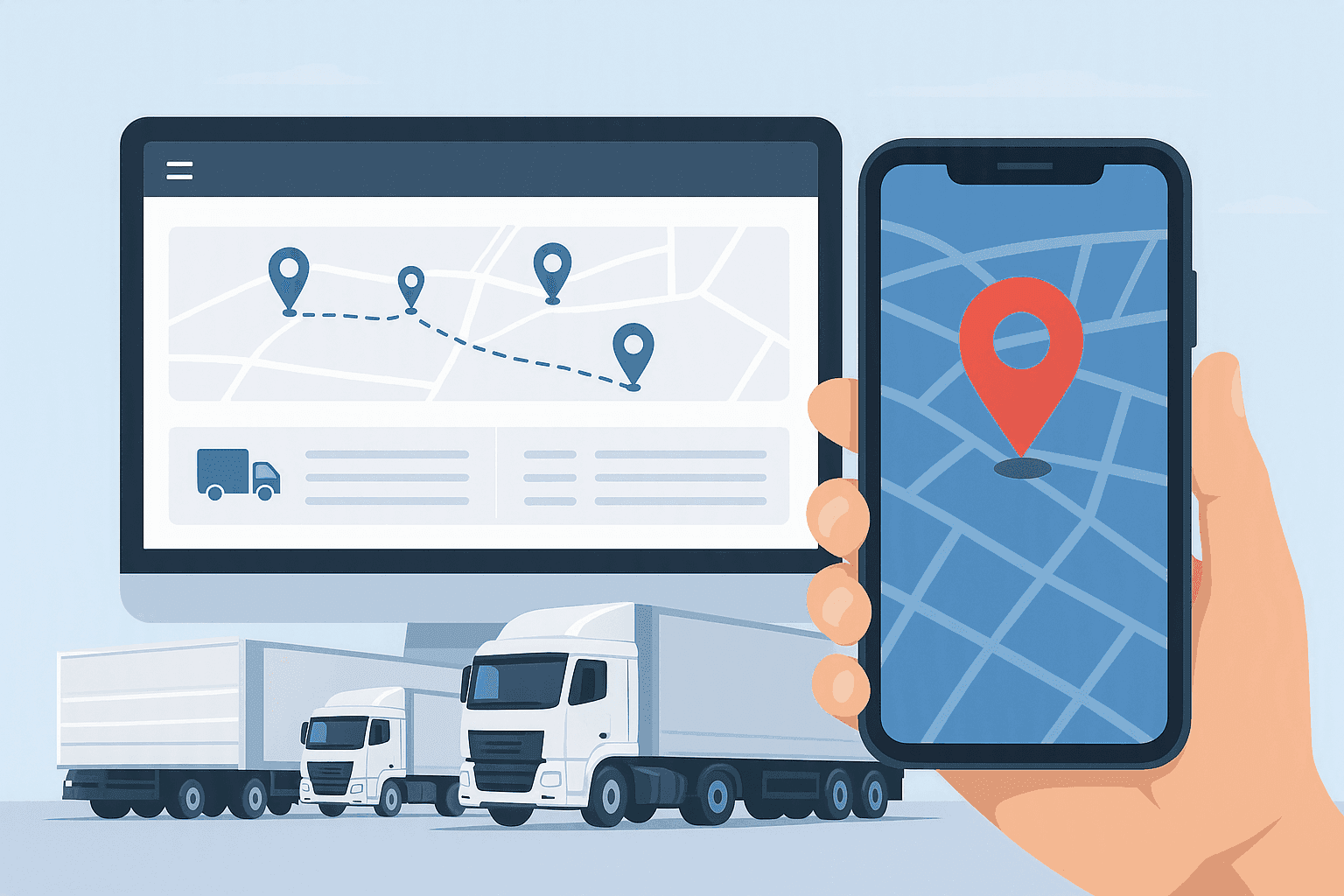
The shift towards mobile accessibility is critical. Fleet operators demand instant insights and control, prompting the surge in mobile-first GPS tracker fleet management software.
- Intuitive interfaces: Easy-to-use apps save time and reduce training costs
- Push notifications: Immediate alerts for incidents or schedule changes
- On-the-go analytics: Managers make decisions from anywhere, anytime
Fleet management tracking systems designed for mobile ensure agility and responsiveness in a fast-moving industry.
Customization and White Label Fleet Management Software
As competition intensifies, businesses seek GPS tracking software solutions that fit their unique operational needs.
- Customization: Tailor dashboards, notifications, and analytics to reflect KPIs
- White label platforms: Brand your tech to enhance client trust or resell
- Flexible integrations: Link with ERP, CRM, or accounting for unified workflows
Tailored systems help operators differentiate their offerings and respond rapidly to changing market demands.
Implications for Logistics Operators and How to Adapt
Staying competitive means investing in the right GPS tracking and fleet management system:
- Upgrade to cloud-based, mobile-first platforms
- Harness advanced analytics for smarter decision-making
- Integrate dispatch and field service management for efficiency
- Prioritize safety and regulatory compliance through digital tools
- Explore AI and automation to streamline scheduling and operations
Small business fleet tracking solutions like GPSWOX Free empower startups to build scalable operations without prohibitive costs.
Conclusion: Navigating the Future of Fleet Management
2024 is a pivotal year for GPS fleet software. Businesses that adapt to these emerging trends—cloud technology, advanced analytics, AI automation, and customization—will drive efficiency, cut costs, and deliver superior customer experiences.
Now is the time to evaluate your vehicle fleet tracking system and embrace the best fleet tracking apps for modern logistics. Ready to transform your operations? Discover how Cooriroo’s fleet management tracking system can help you stay ahead—contact us to start your journey today.