Fleetminder Competitors: Top Fleet Software Options
Choosing fleet software is no longer simply a matter of finding a digital logbook. Modern operators need tools that connect vehicles, drivers, maintenance teams, dispatchers, and customers in one dependable workflow.
For businesses researching Fleetminder competitors, the best alternative depends on what you need to improve first: preventive maintenance, real-time visibility, driver safety, delivery execution, compliance, or reporting. The market includes specialist maintenance platforms, telematics providers, all-in-one fleet systems, and delivery management software.
This guide explains the trends shaping fleet technology, the types of Fleetminder competitors to consider, and a practical process for selecting a platform that supports profitable growth.
Fleet Management Is Becoming a Connected Operations Hub
Fleet technology has evolved from isolated vehicle records into connected operating systems. Instead of checking mileage in one platform, scheduling jobs in another, and tracking delivery status through phone calls, fleet teams increasingly expect a shared view of their operation.
This shift is driven by several ongoing pressures:
- Rising fuel, labor, maintenance, and insurance costs
- Higher customer expectations for accurate delivery updates
- More demanding safety and compliance requirements
- A need to maximize asset utilization and reduce downtime
- Continued growth in last-mile and time-sensitive delivery work
When comparing Fleetminder competitors, look beyond a feature checklist. The important question is whether the system turns vehicle and driver data into decisions your team can act on quickly. Fleet data trends reshaping delivery operations show why this connected, data-first approach is becoming increasingly important.
For example, a maintenance alert is useful. But it becomes far more valuable when it automatically creates a service task, notifies the right manager, blocks an unsafe vehicle from assignment, and keeps dispatch informed about the available fleet.
Fleetminder Competitors Fall Into Four Main Categories
The phrase Fleetminder competitors can cover a broad range of platforms. Before reviewing individual vendors, identify which category best matches your operational priorities.
1. Maintenance-Focused Fleet Software
Maintenance-centric systems are designed for teams that need strong control over servicing schedules, inspection history, work orders, repair costs, parts, and asset records. They can be an excellent fit for organizations that operate vans, trucks, trailers, equipment, or mixed fleets.
Common capabilities include:
- Preventive maintenance schedules based on time, mileage, hours, or engine data
- Digital vehicle inspections and defect reporting
- Work order management for internal or external workshops
- Service history, warranty tracking, and parts inventory
- Cost reporting by vehicle, asset class, location, or department
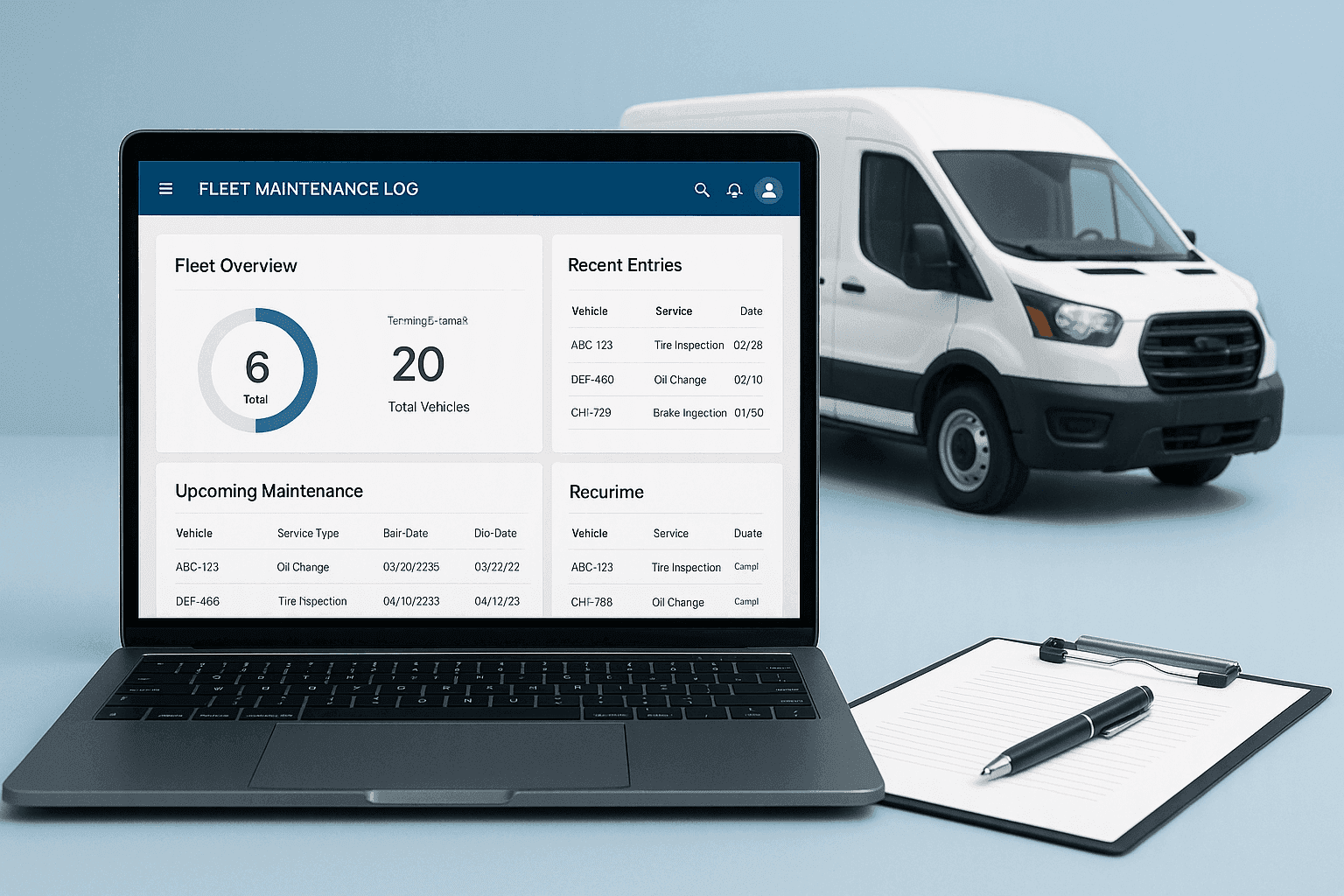
Platforms in this category may compete directly with Fleetminder when maintenance administration is your primary concern. However, some operators will need additional integrations for route planning, proof of delivery, customer notifications, or advanced GPS tracking. For more context on this shift from reactive repairs to connected workflows, see fleet maintenance log software trends shaping uptime.
2. Telematics and GPS Tracking Providers
Telematics-led platforms focus on the live data coming from vehicles. Providers such as Geotab, Samsara, Verizon Connect, Azuga, and similar vendors are commonly evaluated by fleets that need visibility into vehicle location, driver behavior, utilization, and engine diagnostics.
Their strengths often include real-time GPS tracking, geofencing, idling reports, harsh-driving alerts, dash camera options, and vehicle data collected through installed hardware or connected devices.
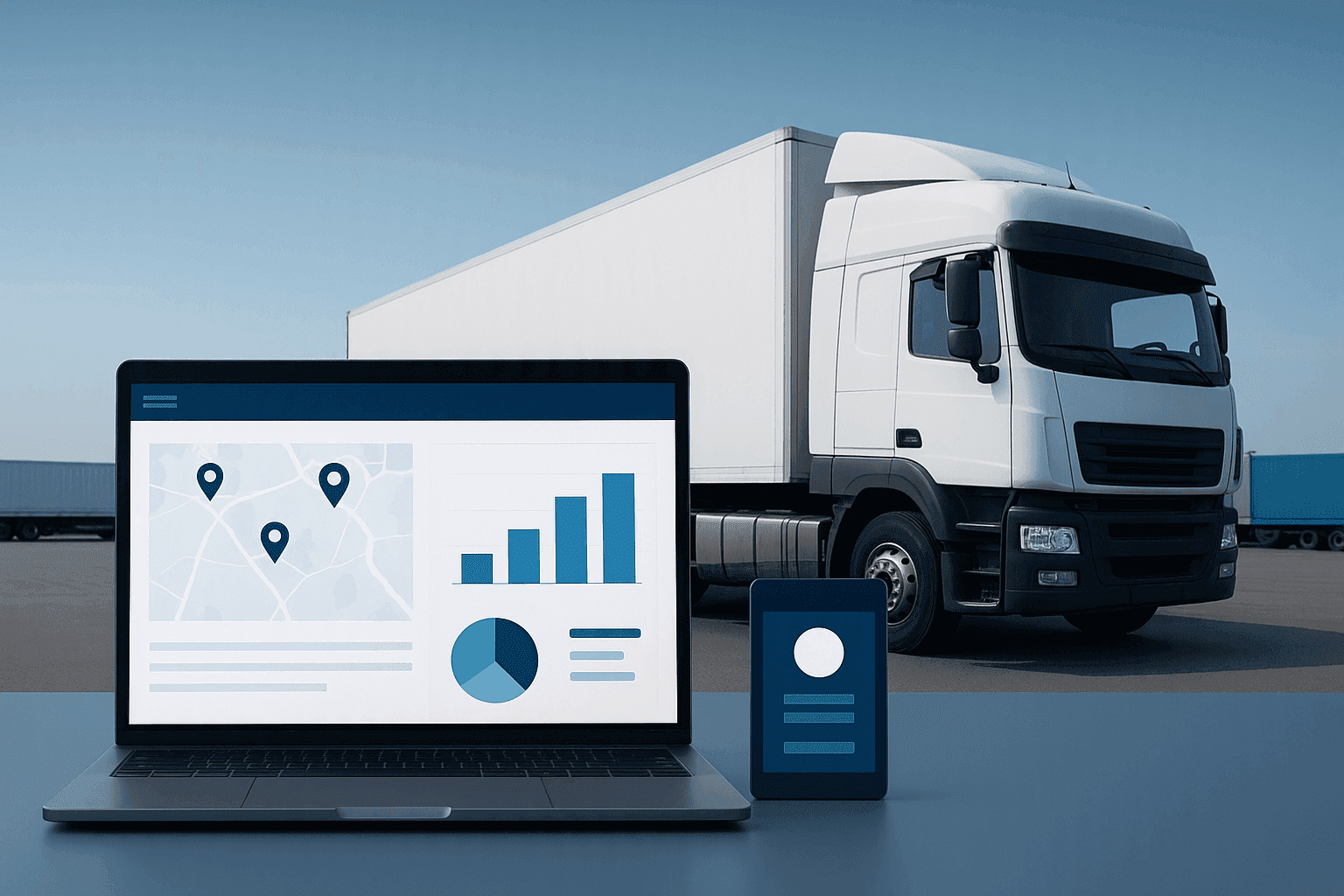
This category is especially relevant if your key challenge is operational visibility. A dispatch manager can see where vehicles are, identify long idle periods, respond to route disruptions, and make better use of available capacity.
Before selecting a telematics platform, ask how well it handles your maintenance process. Some solutions offer maintenance modules, while others rely on integrations or may require a separate system for detailed workshop management.
3. All-in-One Fleet Operations Platforms
All-in-one systems aim to combine telematics, maintenance, safety, compliance, fuel management, and reporting. These platforms can reduce the number of tools a fleet manager has to maintain and may create a more consistent data set across the business.
An integrated approach can help teams answer questions such as:
- Which vehicles are available and compliant for tomorrow's work?
- Which drivers need coaching based on safety events?
- Which assets are approaching a service threshold?
- What is the total operating cost per vehicle or route?
- Where are the most persistent sources of downtime?
The trade-off is complexity. Larger platforms may require a more structured implementation, additional hardware, configuration work, and training. They can be a strong choice for growing fleets, but a smaller operator should ensure the system is not more complicated than the team can realistically adopt.
4. Delivery and Dispatch Management Platforms
For courier, retail, field service, and last-mile operations, delivery execution can matter as much as vehicle management. Delivery-oriented alternatives focus on route planning, driver allocation, live tracking links, electronic proof of delivery, customer notifications, and failed-delivery workflows.
This is where a platform such as Cooriroo can complement or replace fragmented processes. Delivery teams need more than a dot on a map; they need a practical way to assign work, monitor jobs, capture delivery evidence, communicate with customers, and measure service performance.
If your business wins or loses customers based on delivery experience, prioritize features such as:
- Multi-stop route planning and route optimization
- Dynamic dispatch and driver assignment
- Delivery time windows and ETA visibility
- Branded customer tracking notifications
- Photo, signature, barcode, and notes for proof of delivery
- Exception management for delays, returns, and failed deliveries
- Driver mobile apps that are easy to use in the field
The Biggest Trend: Maintenance Data Must Drive Dispatch Decisions
One of the most important changes in fleet management is the growing connection between maintenance and daily operations. A vehicle that appears available on a dispatch board may actually be overdue for an inspection, reporting a fault, or due for a critical service.
Disconnected systems create risk. Dispatch may assign a vehicle that should be off the road, while maintenance teams may not know that a vehicle is required for a high-priority route later that day.
The strongest Fleetminder competitors help teams create a closed-loop process:
- Drivers complete pre-trip or post-trip inspections digitally.
- Defects are categorized by urgency and routed to the right person.
- Serious issues prevent unsafe assets from being assigned.
- Maintenance tasks are scheduled around operational demand.
- Dispatch sees accurate vehicle availability in real time.
When evaluating software, request a demonstration of this exact workflow. Do not settle for screenshots of separate features. Ask the vendor to show what happens from defect reporting through repair, vehicle release, and dispatch reassignment. Maintenance tracking trends shaping fleet operations offer a useful view of how preventive maintenance can protect delivery performance.
Driver Experience Is Now a Core Selection Criterion
A fleet platform can have sophisticated reporting, but it will fail if drivers avoid using it. Driver adoption directly affects the quality of inspection data, proof of delivery, safety records, location accuracy, and customer communication.
The best systems reduce administrative effort for drivers rather than adding another burden. A mobile app should make it quick to complete inspections, view assigned jobs, navigate routes, capture proof of delivery, and report exceptions.
Consider these questions during a product trial:
- Can a driver complete a vehicle check in under a few minutes?
- Does the app work reliably with weak mobile coverage?
- Can drivers upload photos and signatures easily?
- Are job instructions clear and accessible while on the road?
- Does the workflow reduce calls between drivers and dispatch?
- Can managers configure forms without costly development work?
A simple driver workflow produces more complete data. More complete data enables better decisions across safety, maintenance, and customer service.
Reporting Is Shifting From Historical Records to Actionable Alerts
Fleet reports remain essential for tracking cost, safety, service quality, and productivity. But modern operations need more than a monthly spreadsheet. They need alerts and dashboards that highlight exceptions while there is still time to respond.
Useful reporting should connect to measurable business outcomes, including:
- Vehicle utilization and unproductive time
- Fuel consumption, idling, and route efficiency
- Maintenance spend and cost per mile or kilometer
- Vehicle downtime and repeat repair patterns
- On-time delivery performance
- Failed delivery rates and reasons
- Driver safety events and inspection completion
- Revenue, cost, and service performance by route or customer
When comparing Fleetminder competitors, define your most important metrics before attending demonstrations. This prevents your team from being distracted by attractive dashboards that do not answer the questions your managers actually face.
For example, a delivery operation may prioritize first-attempt delivery success and cost per stop. A construction fleet may focus more heavily on equipment hours, maintenance compliance, and unauthorized usage. The right platform should support your operational model rather than forcing you into generic reports.
How to Compare Fleet Software With Confidence
A structured evaluation process helps avoid costly software decisions. Start with your current pain points and map each one to a measurable desired outcome.
Build a practical requirements list
Separate requirements into three groups:
- Must-have: Essential functions needed to operate safely and efficiently
- Should-have: Valuable capabilities that improve performance or scalability
- Nice-to-have: Features that may be useful later but should not delay adoption
Include operational stakeholders in this process. Fleet managers, dispatchers, drivers, finance teams, maintenance staff, and customer service teams often have different needs.
Test real-life workflows
Ask each vendor to demonstrate your actual scenarios, such as a driver reporting a defect, dispatching an urgent same-day delivery, reassigning a failed route, or producing a compliance report for a specific vehicle.
A generic product tour rarely reveals implementation challenges. Scenario-based demonstrations show whether the platform fits the way your team works.
Evaluate total cost, not just subscription price
Consider hardware, installation, onboarding, user licenses, support, integrations, data migration, training, and contract terms. The cheapest subscription can become expensive if it creates manual work or requires multiple add-on tools.
Also estimate the value of improvement. Reducing avoidable mileage, missed services, failed deliveries, paperwork, and unplanned downtime can have a meaningful operational impact.
Check integration and scalability
Your fleet system may need to connect with accounting software, fuel cards, payroll, ERP platforms, e-commerce tools, warehouse systems, or customer service software.
Confirm what integrations are native, what is available through APIs, and what requires custom development. As your fleet grows, these connections become increasingly important.
The Future of Fleet Software: Unified, Predictive, and Customer-Focused
The fleet technology market is moving toward connected platforms that unite asset health, driver performance, delivery execution, and customer communication. Artificial intelligence, automation, and richer telematics data will continue to improve how teams predict maintenance needs, plan routes, and manage exceptions.
However, the most successful fleet software strategy will still depend on operational discipline. Technology should make good processes easier to follow, not add complexity for its own sake.
When reviewing Fleetminder competitors, choose the solution that gives your team clear visibility, practical automation, and a workflow that drivers and dispatchers will genuinely use. For delivery-focused fleets, a platform that brings route planning, dispatch, live tracking, and proof of delivery together can create a more reliable experience for both your operators and customers.
Ready to modernize your delivery operations? Explore how Cooriroo can help you coordinate drivers, optimize routes, track deliveries, and deliver better customer visibility from one platform.