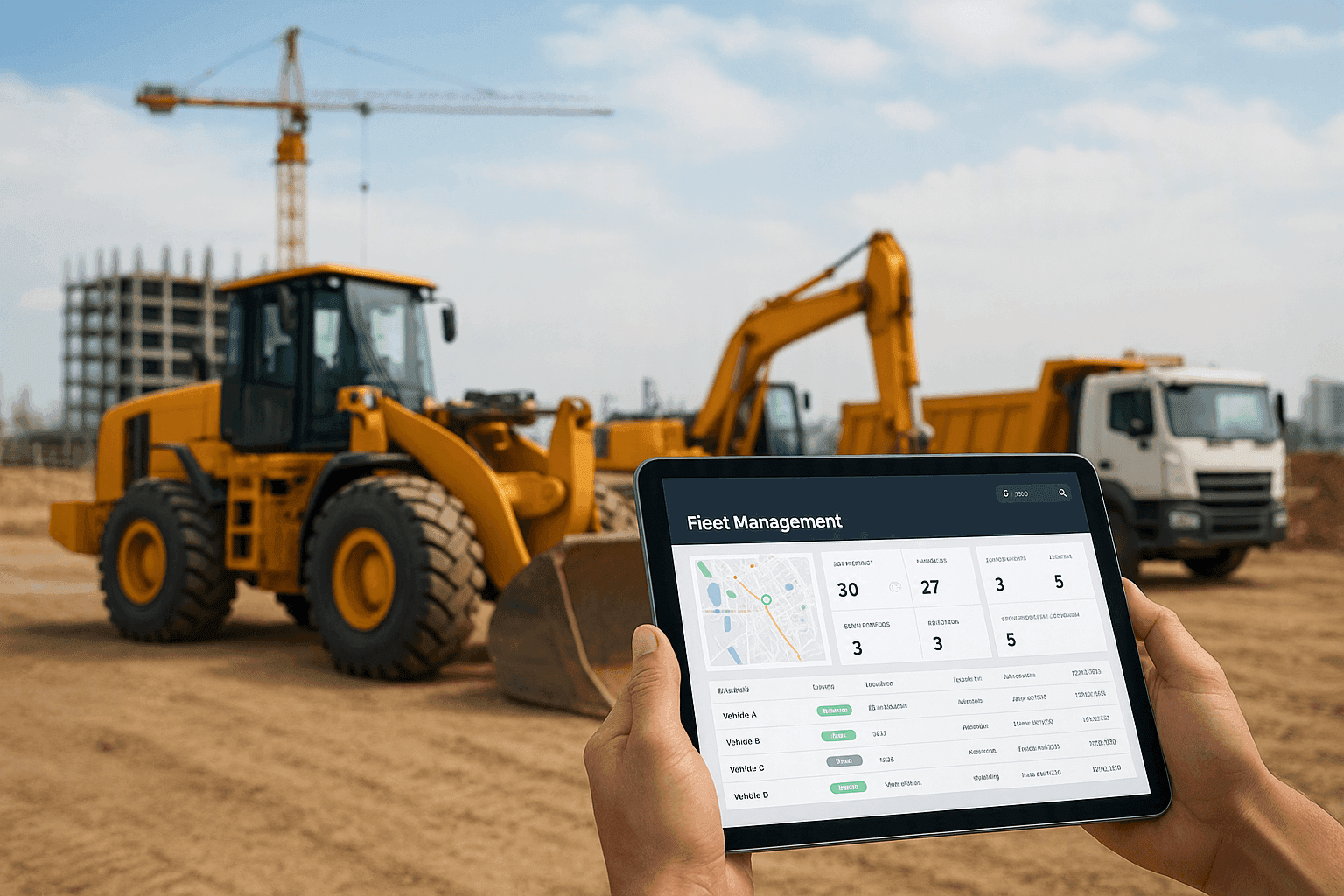
Top Fleet Management System Software Trends in 2024

Are fleet management system software solutions ready to transform your business in 2024? The pace of change in logistics and delivery operations is intense—and forward-looking businesses are embracing technology to remain competitive. This article explores the latest trends in fleet management software systems, from AI-driven optimization to sustainability and real-time tracking, equipping you with the insights to steer ahead.
The Rise of Cloud-Based Fleet Management Software Systems
Cloud-based fleet management system software is reshaping the logistics industry. According to MarketsandMarkets, the global fleet management market size is expected to reach $52.4 billion by 2027, with cloud adoption accelerating. Cloud-powered fleet management platforms offer:
- Remote access to real-time data
- Seamless software updates
- Scalable integration with IoT devices and telematics
- Lower infrastructure costs
Implications: Logistics and delivery businesses that migrate to the cloud gain agility, can respond faster to disruptions, and access business-critical data from anywhere—key for distributed teams and growing fleets.
For a broader look at how technology is influencing software systems across fleets, see Fleet Manager Software Trends in 2024: Key Innovations & Insights.
Artificial Intelligence and Predictive Analytics Redefine Decision-Making
AI and predictive analytics are becoming essential within advanced fleet management software systems. Leading platforms now harness machine learning to:
- Predict maintenance requirements before breakdowns occur
- Optimize delivery routes in real time
- Analyze driver behavior for safety and efficiency
According to Gartner, predictive maintenance can reduce unplanned downtime by up to 50%. Fleet operators adopting AI tools are seeing measurable improvements in cost, safety, and timely deliveries.
How to Adapt:
- Choose software vendors with advanced AI features
- Invest in driver training to maximize tech benefits
- Use analytics dashboards to monitor and improve KPIs
If you’re interested in how predictive analytics specifically drive maintenance efficiencies, our post on Top Trends in Fleet Maintenance Management Software for 2024 dives deeper into these innovations.
Electric Vehicles and Sustainability: Embedded EV Support
Sustainability is a top concern in logistics. Fleet management software systems are evolving to accommodate electric vehicles (EVs) and ensure eco-friendly operations. Key trends include:
- Integrating EV battery monitoring and charging station mapping
- Emissions tracking to meet regulatory standards
- Route planning optimized for EV range and charging needs
McKinsey estimates that by 2030, electric vehicles will comprise over 30% of new commercial fleet sales in major markets. Platforms that manage mixed fleets seamlessly—combining ICEs, EVs, and hybrids—give businesses a competitive advantage.
Real-Time Visibility, Connected Fleets, and IoT Integration
Modern fleet management system software now integrates deeply with telematics and IoT devices. This convergence allows for:
- Live location tracking and geofencing
- Instant alerts for route deviations or delays
- Asset and temperature monitoring for sensitive cargo
A 2023 Deloitte report shows that 65% of logistics firms plan to expand IoT investments in the next 18 months. Real-time insights boost customer satisfaction and cut response times when disruptions occur.
What This Means for You:
- Select software that integrates easily with in-vehicle hardware
- Prioritize real-time dashboard features and mobile accessibility
- Leverage IoT data to automate compliance and maintenance scheduling
Enhanced Safety, Compliance, and Automation
Fleet management software systems are unlocking higher levels of safety and compliance automation. Trends to watch:
- Automated Hours of Service (HoS) logging and electronic logging device (ELD) integration
- AI-driven driver scorecards and fatigue alerts
- Compliance checklists and documentation storage in-app
According to the FMCSA, fleets that leverage automated safety monitoring can cut accident rates by as much as 22%. By reducing paperwork and supporting regulatory readiness, businesses lower risks and improve operational efficiency.
Open APIs and Seamless Integrations
No system works in isolation. The best fleet management software systems offer robust APIs and built-in integrations, connecting with:
- ERP and accounting platforms
- Last-mile delivery solutions
- Warehouse management systems
This trend streamlines data flow between departments, reduces manual entry, and offers a unified view of operations. Logistics businesses should prioritize software with flexible integrations to future-proof their operations.
The Future: Autonomous Vehicles and Advanced Automation
While fully autonomous fleet operations aren’t mainstream yet, leading fleet management software vendors are preparing for greater automation. Expect to see:
- Advanced robotics support for warehouse-fleet handoffs
- Greater use of self-driving vehicle data
- Automation of repetitive driver and dispatcher tasks
Businesses that adopt flexible, future-ready software systems will be best positioned for these next-generation shifts.
Conclusion: Position Your Fleet for Tomorrow
Fleet management system software is evolving fast. Businesses that stay ahead of current trends—cloud adoption, real-time analytics, AI-driven automation, and EV readiness—will slash costs, ensure compliance, and deliver exceptional customer experiences.
Don’t wait until your competitors outpace you. Explore how a state-of-the-art fleet management software system can transform your logistics or delivery business. Ready to future-proof your operations? Contact Cooriroo for a personalized demo of our next-generation platform.