Top Trends Shaping Fleet Management Transport in 2024

Introduction
The transport and logistics industry is rapidly evolving, driven by advances in technology, market dynamics, and shifting customer expectations. For companies leveraging fleet management transport, staying updated on the latest industry trends is mission-critical. Effective fleet management in transportation impacts operational efficiency, cost control, and customer satisfaction—making it a top priority for competitive businesses.
In this article, we delve into the most pivotal trends redefining fleet management transport in 2024, underpinning each trend with insights and practical strategies logistics professionals can use to future-proof their operations.
The Rise of Telematics and IoT Integration
Telematics and the Internet of Things (IoT) have transformed how fleet managers monitor, analyze, and control their fleets.
- Real-time vehicle tracking: Modern telematics solutions deliver up-to-the-minute insights on vehicle locations, driver behavior, and route performance, resulting in greater visibility and accountability.
- Predictive maintenance: Sensors and IoT devices proactively alert managers to potential issues, reducing unplanned downtime and extending vehicle life.
If you're interested in more examples of how cutting-edge tracking technology and digital automation are changing the industry, explore our post on Transport Fleet Management Trends: Smarter Tracking and Efficiency.
Market Insight: According to recent industry reports, over 80% of logistics companies are investing in telematics as a primary tool for fleet management transport in 2024.
_Implication_: Adopt integrated telematics platforms to harness real-time data, improve decision-making, and minimize operational disruptions.
Sustainability and the Move Toward Green Fleets
With stricter environmental regulations and growing stakeholder demands for sustainable practices, fleet management in transportation is shifting toward eco-friendly solutions.
- Electrification of fleets: Electric and hybrid vehicles are now a viable alternative to traditional internal combustion engines, helping companies reduce carbon emissions and operational costs.
- Route optimization: Advanced fleet software leverages AI and machine learning to reduce miles traveled and fuel consumption.
Expert Insight: McKinsey & Company estimates that by 2030, about 12% of commercial fleets in Europe and North America will be electrified.
_How to Adapt_: Begin evaluating your fleet for electrification opportunities and empower your teams with route and load optimization tools to maximize efficiency.
The Adoption of Advanced Fleet Management Software
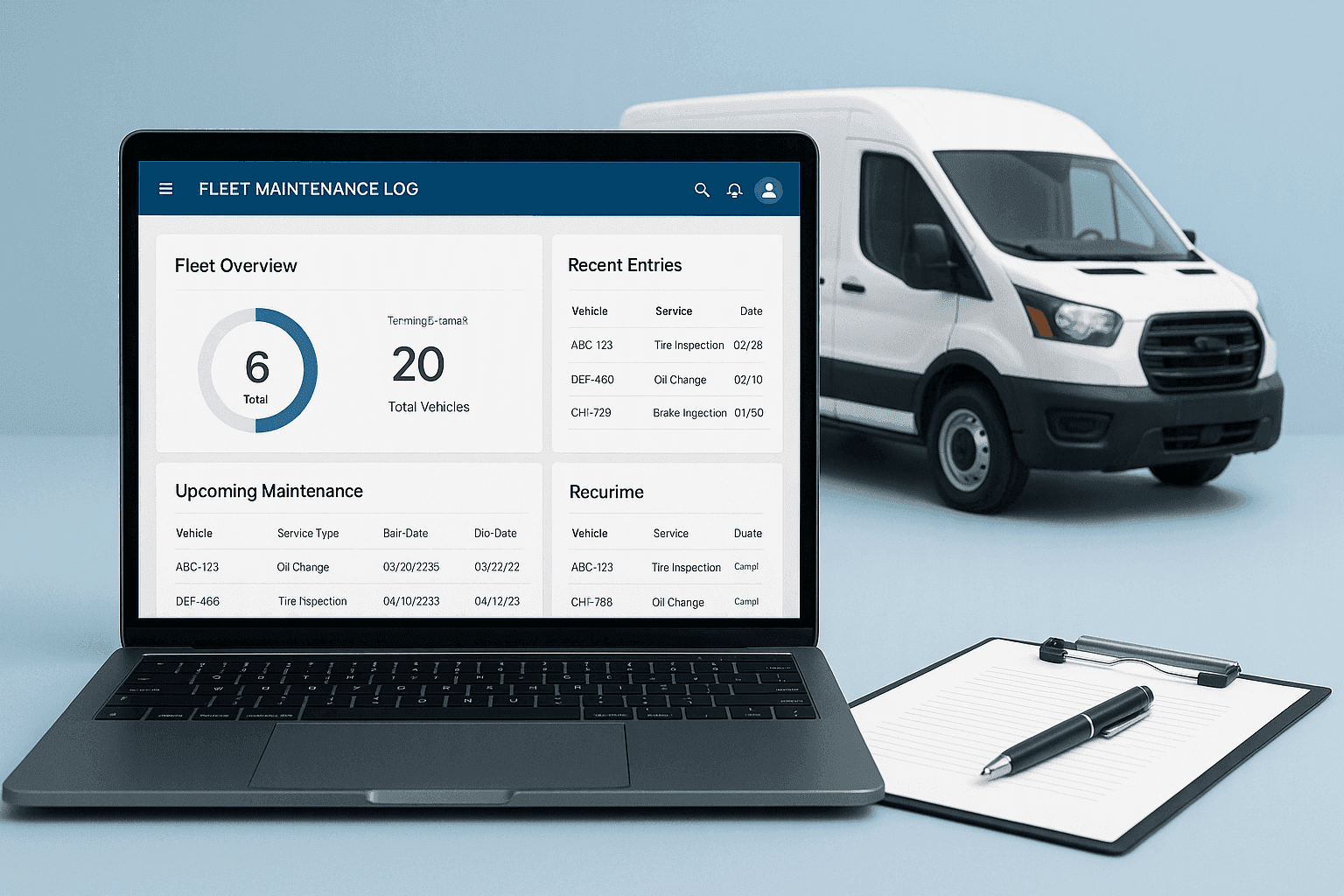
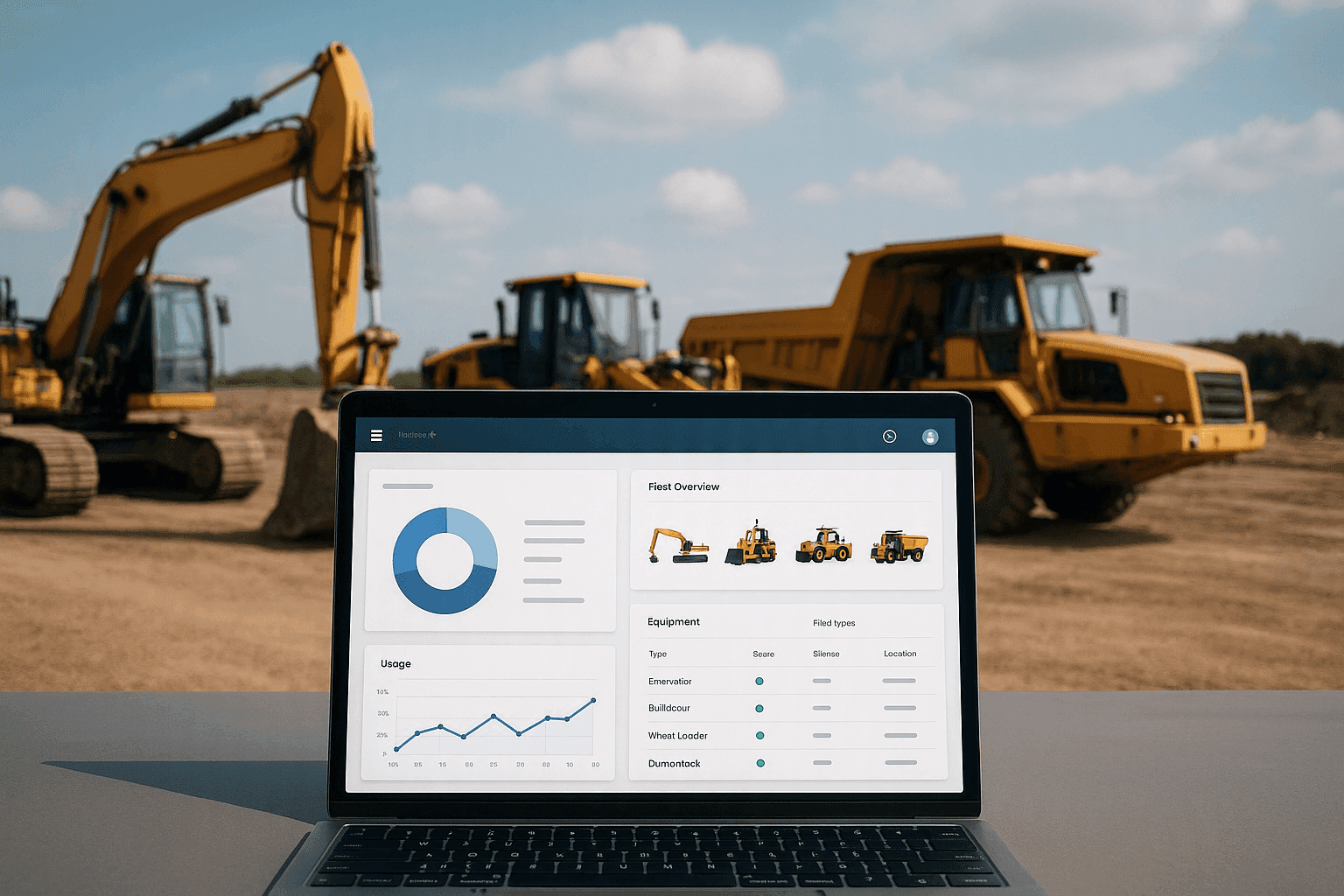
Fleet management software is becoming more sophisticated, offering centralized dashboards, automation, and data analytics to optimize transportation operations.
- Automated dispatch and scheduling: Reduce human errors and increase punctuality by leveraging software that automates delivery assignments and scheduling.
- Integrated reporting and analytics: Dashboards provide actionable insights into performance metrics, costs, and compliance, enabling continuous improvement.
To learn more about how vehicle tracking systems and advanced management tools are redefining fleet strategies, visit Top Trends in Vehicle Tracking and Fleet Management Systems.
Data Highlight: Gartner notes that 70% of fleet operators cite improved efficiency as the main benefit of adopting fleet management systems.
_Action Plan_: Invest in software platforms that offer flexibility, scalability, and seamless integration with your existing technology stack.
Enhanced Safety and Compliance Measures
Safety initiatives and regulatory compliance remain at the forefront for fleet management in transportation.
- Driver monitoring: Camera systems and telematics help flag unsafe driving behavior (e.g., speeding, harsh braking), allowing for targeted training and reduced liability.
- Regulatory compliance: Solutions keep companies updated with ever-changing transportation laws, ELD (Electronic Logging Device) mandates, and emissions standards.
Statistical Insight: The Federal Motor Carrier Safety Administration reports a 20% drop in crash rates for fleets adopting advanced safety technologies.
_Recommendation_: Regularly review your safety protocols, provide ongoing driver training, and utilize compliance features in your fleet management software.
Data-Driven Decision Making
Data is the new currency in fleet management transport. Companies that leverage analytics and big data position themselves for long-term success.
- KPI tracking: Monitor costs per mile, vehicle utilization, and on-time delivery rates to identify cost saving and improvement opportunities.
- Demand forecasting: Use historical and real-time data to predict peak periods and allocate resources efficiently.
For deeper insights on how sophisticated vehicle and maintenance analytics shape better decisions, our article on Fleet Maintenance System Trends: Elevating Fleet Performance examines these tools in action.
Industry Insight: According to Deloitte, organizations using data-driven fleet management realize up to 15% cost reductions and higher customer satisfaction rates.
_Adaptation Strategy_: Implement analytics modules that turn complex fleet data into actionable intelligence, fueling better business decisions.
Growing Focus on Customer Experience
Fleets are no longer just about moving goods from point A to B; they play a pivotal role in overall customer satisfaction.
- Real-time updates: Automated notifications and transparent delivery tracking improve communication and build customer trust.
- Flexible delivery options: Enhanced scheduling and dynamic route planning enable fleets to meet diverse customer demands.
Market Analysis: In a recent survey, 67% of logistics customers valued proactive delivery updates as a key service differentiator.
_What This Means_: Prioritize customer-centric features in your fleet management strategy, ensuring consistent and transparent service delivery.
Forward-Looking Conclusion: Preparing for the Future of Fleet Management Transport
The landscape of fleet management in transportation is poised for further evolution. Embracing digital transformation, sustainability, and data-driven tactics will define successful logistics operations. Companies that proactively invest in advanced technologies and robust strategies are more likely to realize operational efficiency, cost savings, and customer loyalty.
Ready to future-proof your fleet management transport strategy? Explore how Cooriroo’s intelligent platform can help you stay ahead of industry trends and drive exceptional results.
Call to Action
Stay ahead in fleet management transport—connect with Cooriroo today to discover the next-level solutions for your modern fleet operation.