GPS Management Software Trends Transforming Fleets
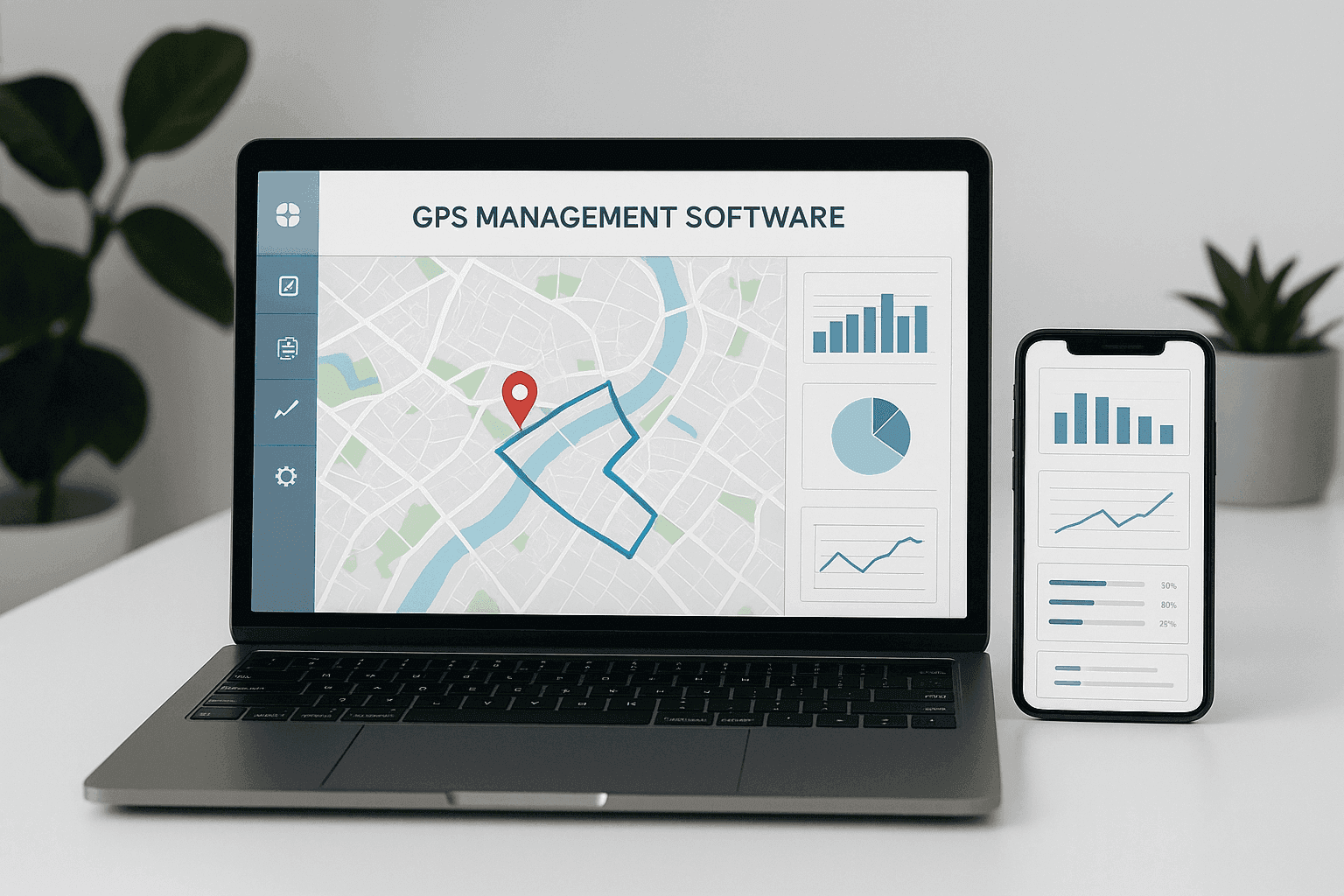
Fleet operations are moving beyond simple dots on a map. Today, gps management software connects vehicle location data with dispatching, driver behavior, maintenance, customer communication, and operational reporting.
For delivery operators, field service businesses, and transportation fleets, this shift creates a major opportunity. Real-time location intelligence can help teams react faster to disruptions, reduce unnecessary mileage, protect assets, and make better decisions with the resources they already have.
The most effective fleet leaders now view GPS as an operational foundation rather than a standalone tracking tool. Here are the key trends shaping gps management systems and what businesses should do next.
Real-Time Visibility Is Becoming the Operating Standard
Basic vehicle tracking once focused on answering one question: where is the truck? Modern fleets need a more complete answer. They need to know where a vehicle is, whether it is on schedule, how long it has been stopped, what job it is serving, and whether the route remains viable.
Modern gps platform software brings these details into a single operational view. Dispatchers can monitor active jobs, identify delayed arrivals, and quickly reassign work when traffic, weather, vehicle issues, or last-minute order changes disrupt the day. For more on evaluating the tools behind this visibility, see this guide to GPSWOX devices and fleet tracking trends.
Real-time visibility matters because small inefficiencies multiply across a fleet. A five-minute delay on one route may be manageable. The same delay across dozens of vehicles can create missed delivery windows, overtime costs, customer complaints, and pressure on dispatch teams.
How to adapt
Businesses should prioritize platforms that provide:
- Live vehicle locations with frequent position updates
- Accurate estimated arrival times (ETAs)
- Status alerts for route deviations and excessive idling
- A map-based view of drivers, jobs, stops, and service zones
- Mobile tools that keep drivers and dispatchers aligned
The goal is not simply to collect location data. It is to give teams context they can use immediately.
Route Optimization Is Shifting From Planning to Continuous Adjustment
Route planning has always been central to fleet efficiency, but static routes no longer match the reality of on-demand delivery and changing customer expectations. Traffic congestion, new pickup requests, cancelled orders, restricted roads, and time-sensitive deliveries require more flexible planning.
Advanced gps management software increasingly combines real-time vehicle data with route optimization. Instead of assigning jobs based only on a driver’s original schedule, dispatchers can identify the nearest qualified vehicle, account for current traffic conditions, and consider capacity or delivery time windows.
This approach helps reduce deadhead miles, which are miles driven without generating revenue or completing productive work. It can also improve route density by grouping nearby jobs and minimizing unnecessary backtracking.
Key route optimization capabilities
When evaluating gps management systems, look for features such as:
- Multi-stop route sequencing
- Dynamic job assignment and reassignment
- Traffic-aware route recommendations
- Delivery time-window management
- Driver skills, vehicle capacity, and zone-based rules
- Proof-of-delivery updates that refresh dispatch plans automatically
Fleet managers should also measure results consistently. Track cost per stop, miles per delivery, on-time performance, route completion time, and daily vehicle utilization. These metrics reveal whether routing technology is producing measurable operational gains.
Driver Safety Data Is Becoming More Actionable
Safety remains one of the most valuable applications of GPS technology. Location data, when paired with telematics, can identify driving patterns that increase accident risk and operating costs. Common signals include speeding, harsh braking, rapid acceleration, sharp cornering, unauthorized vehicle use, and extended idling.
The trend is moving away from punitive monitoring and toward practical coaching. The best fleet programs use driver data to identify patterns, recognize safe performance, and provide targeted training before a minor issue becomes a serious incident.
For example, a driver with repeated harsh-braking events may be operating in congested areas, following too closely, or facing unrealistic schedules. Reviewing the full operational context helps managers address root causes rather than relying on generic warnings.
Build a driver-first safety program
A successful program should:
- Clearly explain what data is collected and why
- Focus coaching on repeat behaviors rather than isolated events
- Set realistic thresholds for different vehicle types and routes
- Recognize safe driving performance
- Use safety insights to improve schedules and route design
When drivers understand that gps platform software can reduce confusion, improve support, and create fairer performance conversations, adoption becomes much easier.
Maintenance Is Becoming Predictive Instead of Reactive
Vehicle downtime can quickly undermine delivery performance. An unexpected breakdown does more than create a repair bill; it can interrupt routes, delay customers, force costly substitutions, and reduce fleet capacity during peak periods.
GPS-enabled fleet platforms increasingly integrate with vehicle diagnostics and maintenance workflows. This gives managers a clearer picture of mileage, engine hours, fault codes, service intervals, and vehicle utilization. Rather than waiting for a vehicle to fail, teams can schedule service based on actual operating conditions. For a closer look at replacing manual processes with preventive schedules and centralized records, review free vehicle maintenance tracking software in 2026.
Preventive maintenance is especially important for high-mileage delivery fleets. Vehicles that make frequent stops, idle in urban areas, or operate under heavy loads can experience different wear patterns than long-haul vehicles.
What to monitor
Use your gps management software to support maintenance tracking for:
- Odometer readings and engine hours
- Scheduled service dates
- Engine warning codes
- Tire and brake inspection intervals
- Fuel consumption changes
- Excessive idling or harsh-driving patterns that accelerate wear
Integrating maintenance records with live fleet data also helps dispatchers avoid assigning urgent jobs to vehicles that are due for service or experiencing an emerging mechanical issue.
Customer Communication Is Becoming a Fleet Advantage
Customers increasingly expect the same visibility from business deliveries that they receive from consumer parcel services. They want accurate ETAs, proactive updates, and confidence that their order is moving as promised.
GPS management systems can turn operational tracking data into a better customer experience. Automated notifications can inform recipients when a driver is en route, when arrival times change, and when delivery is complete. Branded tracking pages and proof-of-delivery records can reduce inbound “where is my order?” calls.
This trend matters because customer experience is now closely tied to delivery execution. A late delivery may still be manageable if the customer receives a timely update and a credible revised ETA. A lack of communication, however, often damages trust even when the delay is relatively short.
Practical customer-facing uses
Fleet businesses can use gps platform software to provide:
- Live or near-real-time delivery tracking
- Automated ETA notifications by SMS or email
- Delay alerts with updated arrival windows
- Electronic proof of delivery, including signatures or photos
- Service history for customer support teams
The result is a more transparent delivery process and less administrative pressure on dispatch and customer service staff.
Integration Is Replacing Standalone Fleet Tools
A growing trend in fleet technology is consolidation. Operators often manage separate tools for dispatch, driver communication, fuel reporting, maintenance, proof of delivery, and customer updates. When these systems do not communicate, teams spend time entering data manually and reconciling conflicting records.
Modern gps management software is increasingly expected to integrate with transport management systems, order management platforms, accounting tools, customer relationship management software, and mobile driver applications. This creates a connected workflow from order intake through route completion and billing.
For delivery businesses, integration can eliminate duplicate data entry and improve data accuracy. A completed delivery can automatically update order status, trigger proof-of-delivery storage, notify the customer, and provide the information needed for invoicing.
Questions to ask before choosing a platform
Before investing in gps management systems, assess:
- Does the platform offer APIs or prebuilt integrations?
- Can it connect job data with vehicle and driver data?
- Is the driver app simple enough for daily use?
- Can reports be customized for operations, finance, and safety teams?
- Does it scale as vehicles, drivers, and delivery volumes grow?
A platform should fit into your operating model, not force your team to create workarounds.
Data-Driven Fleet Decisions Are Moving to the Front Line
The value of fleet data depends on whether teams can use it quickly. Reporting is no longer just a monthly management activity. Dispatchers, supervisors, and fleet managers need clear insights during the working day.
Leading gps platform software provides dashboards that translate raw location data into operational metrics. Rather than reviewing thousands of GPS pings, managers can see exceptions: vehicles idling too long, deliveries at risk, drivers outside service zones, or routes that consistently underperform. A data-first approach to fleet management can help delivery businesses respond faster while reducing manual work.
This exception-based approach helps teams focus on the events that require intervention. It also supports continuous improvement by revealing recurring problems in certain areas, time periods, route types, or customer locations.
Metrics worth reviewing regularly
Focus on a manageable set of operational metrics:
- On-time pickup and delivery rate
- Average route duration
- Miles per stop or job
- Fuel use and idle time
- Vehicle utilization
- Driver safety events
- Delivery completion and failed-delivery rates
- Customer ETA accuracy
Reviewing these measures weekly can help leaders spot trends before they become expensive problems.
The Future of GPS Management Software Is Connected and Predictive
The next phase of fleet management will place more emphasis on prediction. As systems collect more operational data, they can help estimate arrival times more accurately, flag potential route failures, identify maintenance risks, and recommend more efficient assignments.
However, technology alone will not create a high-performing fleet. Businesses need clear processes, reliable data, driver engagement, and a willingness to act on the insights they receive. The strongest operators use GPS intelligence to make daily work easier for drivers, dispatchers, and customers.
Cooriroo helps delivery and fleet teams bring routing, dispatch, driver coordination, and real-time operational visibility into one modern platform. If you are ready to move beyond basic vehicle tracking, explore how a connected fleet management solution can help you reduce complexity and deliver with greater confidence.