b06xvz6y4t: Fleet Data Trends Reshaping Delivery Operations

Delivery operations generate a growing volume of information every day: driver activity, route progress, vehicle health, proof of delivery, customer updates, and cost data. A reference such as b06xvz6y4t may appear in a workflow, record, search query, or internal system—but its broader relevance is clear. Logistics businesses need reliable ways to connect operational data with faster, more accountable decisions.
For fleet managers, the trend is no longer simply collecting more data. The priority is turning fragmented information into practical action: dispatching the right driver, reducing avoidable mileage, responding to delays early, and giving customers accurate delivery updates.
This article explores the fleet management and delivery trends associated with a data-first operational mindset, including how businesses can use modern technology to create scalable, measurable delivery performance.
Real-Time Visibility Is Becoming the Operating Standard
Real-time visibility has shifted from a premium feature to a core requirement for competitive delivery businesses. Dispatch teams need to know where vehicles are, whether drivers are on schedule, and which jobs may require intervention before a customer calls. These changes reflect the wider evolution of vehicle tracking system software from a basic map feature into a connected operational tool.
A modern fleet management platform brings location data, job status, route progress, and driver updates into one operational view. Instead of relying on calls, spreadsheets, and manual status checks, teams can monitor exceptions as they occur.
Why live delivery tracking matters
Real-time tracking supports better decisions across the delivery lifecycle:
- Dispatchers can identify late-running routes and reassign work quickly.
- Customer service teams can provide accurate estimated arrival times.
- Fleet managers can spot excessive idle time, route deviations, and recurring bottlenecks.
- Drivers receive clearer instructions and fewer last-minute calls.
- Customers gain confidence through proactive delivery updates.
The most effective visibility programs focus on exceptions rather than overwhelming teams with data. A delayed stop, missed scan, long dwell time, or unplanned route deviation should trigger a clear workflow for investigation and action.
Route Optimization Is Moving Beyond Static Planning
Traditional route planning often relied on fixed territories, driver experience, and recurring delivery sequences. While those inputs remain valuable, they are no longer enough for operations facing changing traffic conditions, variable delivery windows, driver availability, and same-day demand.
Dynamic route optimization is now a major trend in delivery logistics. It uses current operational constraints to create more efficient route plans and help dispatchers adjust throughout the day.
Key inputs for smarter route planning
An effective delivery routing process can account for:
- Delivery addresses and service zones.
- Customer time windows and priority jobs.
- Vehicle capacity and load restrictions.
- Driver skills, shift times, and compliance requirements.
- Traffic conditions and expected travel times.
- Stop service duration and proof-of-delivery requirements.
The goal is not merely to build the shortest route. The best route is one that balances cost, customer commitments, driver workload, and operational resilience.
For a business reviewing records or system identifiers such as b06xvz6y4t, the useful question is: what operational event does this data point connect to? If it links to a job, route, driver, or vehicle, it can help reveal patterns that improve planning decisions over time.
AI Is Supporting Dispatch Decisions, Not Replacing Operators
Artificial intelligence is becoming more common in fleet management, especially in areas such as demand forecasting, route sequencing, predictive maintenance, and delivery exception management. However, successful adoption does not mean removing human judgment from the dispatch desk.
Instead, AI helps teams process more variables than a manual workflow can reasonably handle. It can flag likely delays, recommend route changes, identify unusual fuel usage, or predict which customers may need more accurate communication.
Practical AI use cases in delivery operations
Fleet and delivery teams can apply AI-assisted tools to:
- Forecast delivery volumes by day, region, or customer type.
- Recommend efficient stop sequences.
- Identify patterns behind failed delivery attempts.
- Predict vehicle maintenance needs from telematics data.
- Classify delivery exceptions for faster resolution.
- Improve estimated arrival times using historical route performance.
Businesses should begin with a focused use case. For example, reducing failed deliveries or improving on-time performance is easier to measure than launching a broad, undefined AI initiative.
Before adopting new tools, ensure data is clean and consistently captured. AI cannot compensate for missing job statuses, outdated customer addresses, or inconsistent driver workflows.
Driver Experience Is a Fleet Performance Metric
The delivery industry continues to face pressure around driver recruitment, retention, safety, and productivity. As a result, fleet technology is increasingly designed around the driver experience—not only management reporting.
A driver app that provides clear route details, simple job updates, digital proof of delivery, and direct communication can reduce friction throughout the shift. When drivers spend less time handling paperwork or calling dispatch for basic details, they can focus on safe and efficient service.
Building driver-friendly workflows
Strong driver workflows generally include:
- Mobile access to route and stop information.
- Clear instructions for special delivery requirements.
- Easy photo, signature, barcode, or note capture.
- Immediate status updates for completed, delayed, or failed jobs.
- Simple ways to report vehicle issues or delivery exceptions.
- Training that explains why data capture matters.
Fleet managers should avoid using technology solely as a surveillance tool. The best systems give drivers useful information while helping businesses improve safety, compliance, and customer service.
Proof of Delivery Is Becoming More Detailed and Digital
Paper-based proof of delivery creates delays, missing records, and disputes. Digital proof of delivery has become a practical standard for businesses that need faster invoicing, better customer communication, and stronger accountability.
Depending on the delivery type, proof of delivery may include signatures, photos, timestamps, GPS location confirmation, barcodes, recipient names, or delivery notes. The right combination depends on the value of goods, customer expectations, and compliance obligations.
The business value of digital proof of delivery
Digital records help businesses:
- Resolve disputes with verifiable delivery evidence.
- Invoice more quickly after a completed job.
- Reduce manual paperwork and document storage.
- Give customers instant confirmation.
- Analyze recurring delivery failures or access issues.
When a job reference such as b06xvz6y4t is connected to a complete digital delivery record, operations teams can find the relevant evidence faster. This reduces the time spent searching across email threads, driver notes, and separate systems.
Fleet Sustainability Is Becoming an Operational Requirement
Sustainability is no longer limited to annual corporate reporting. Delivery businesses increasingly need to understand fuel consumption, empty miles, route efficiency, vehicle utilization, and emissions-related performance.
The most immediate sustainability gains often come from operational improvements rather than a complete fleet replacement. Better route planning, reduced idling, preventative maintenance, consolidated deliveries, and higher first-attempt delivery success can all lower fuel use and unnecessary mileage.
Start with measurable fleet efficiency actions
Businesses can make progress by tracking:
- Fuel use per vehicle and per completed delivery.
- Miles driven per route and per stop.
- Idle time by vehicle, driver, or depot.
- First-attempt delivery success rates.
- Vehicle utilization and unused capacity.
- Maintenance events that affect fuel efficiency.
Electric vehicles may be a strong fit for some urban and predictable-route operations. However, adoption should reflect route length, payload, charging access, total cost of ownership, and local operating conditions—not a one-size-fits-all target.
Integration Is Replacing Isolated Fleet Tools
Many delivery businesses still work across disconnected systems for orders, customer service, dispatch, accounting, vehicle maintenance, and reporting. This creates duplicate data entry and makes it difficult to see the complete delivery journey.
The emerging standard is an integrated operational stack. Fleet management software should connect with the tools that manage orders, customers, payments, warehouse activity, and communications.
What to prioritize in an integrated delivery platform
Look for capabilities that support:
- Importing jobs from order management or e-commerce systems.
- Sharing delivery status with customer-facing teams.
- Exporting completed job details for invoicing.
- Connecting telematics and vehicle data where appropriate.
- Centralizing proof of delivery and exception records.
- Reporting across drivers, vehicles, routes, and customers.
Integration creates a single source of operational truth. It also makes it easier to trace a reference, job number, or identifier such as b06xvz6y4t from initial booking through final delivery confirmation.
Data Governance Will Determine Which Teams Scale Successfully
As fleets collect more information, data quality becomes a strategic issue. Inconsistent status labels, duplicate customer records, incomplete addresses, and missing vehicle data all weaken reporting and automation.
Businesses should establish clear ownership for key operational fields. Define what each job status means, when drivers must update it, who resolves data errors, and how long records should be retained.
Useful delivery KPIs may include on-time delivery rate, cost per stop, failed delivery rate, average route duration, driver utilization, idle time, and customer complaint volume. Rather than tracking every possible metric, choose a small set tied directly to service and profitability goals.
The Next Step: Turn Fleet Data Into Better Daily Decisions
The trends behind b06xvz6y4t point to a clear direction for delivery operations: connected data, real-time visibility, smarter planning, and simpler workflows will shape the most resilient fleets.
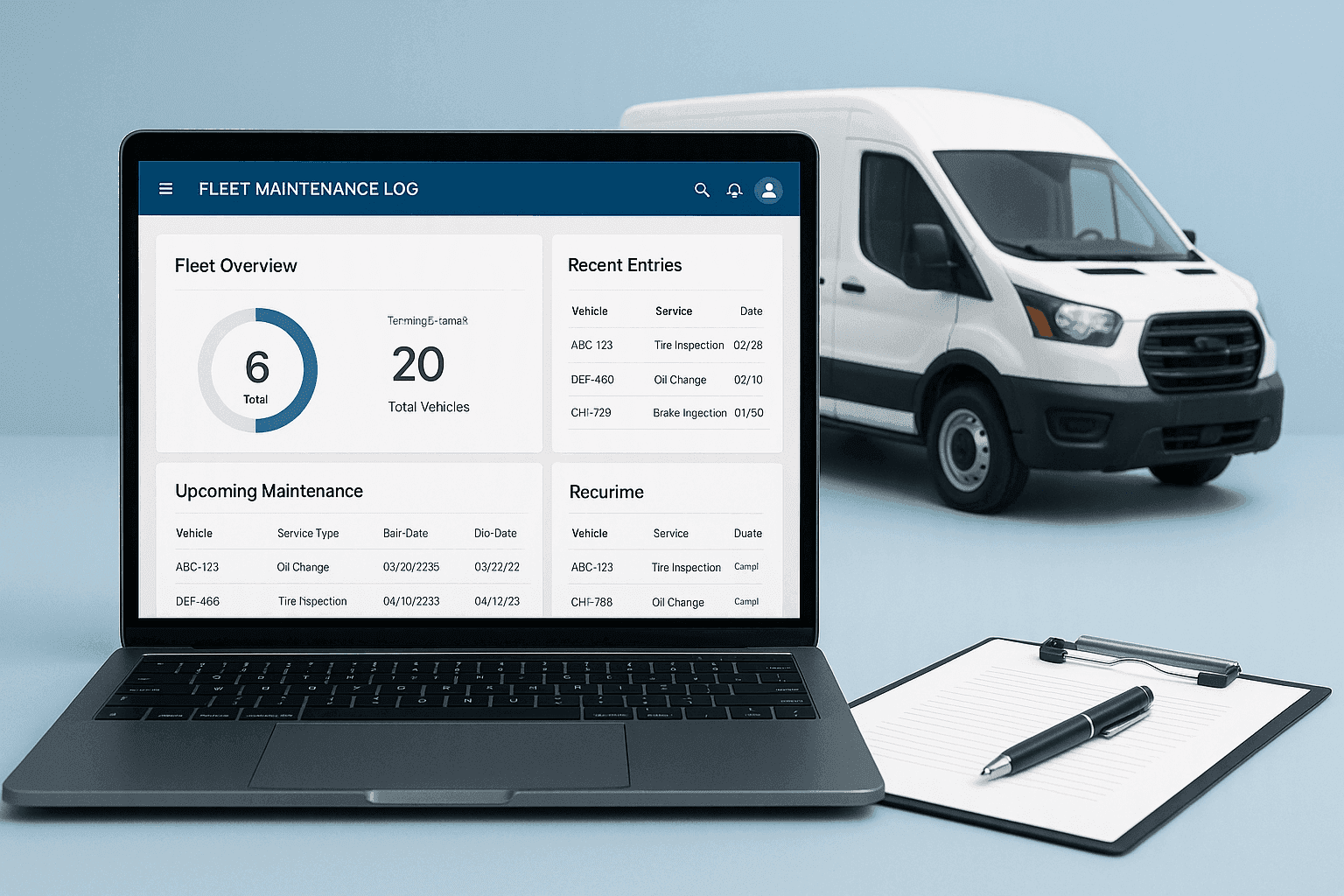
The businesses that adapt successfully will not chase technology for its own sake. They will use fleet management tools to solve specific operational problems, improve driver and customer experiences, and measure progress consistently. This also requires maintenance tracking that helps protect vehicle uptime and delivery performance.
Cooriroo helps delivery and fleet operators bring dispatch, route management, driver workflows, and delivery visibility into one modern platform. If you are ready to reduce manual work and build a more responsive delivery operation, explore how Cooriroo can help your team plan, track, and deliver with confidence.