Vehicle Maintenance Log Software: Fleet Trends for 2026
A missed oil change, expiring inspection, or overlooked tyre issue can quickly turn into an expensive roadside breakdown. For delivery fleets, every unplanned repair affects more than the vehicle: it can delay customer orders, disrupt driver schedules, and increase operating costs.
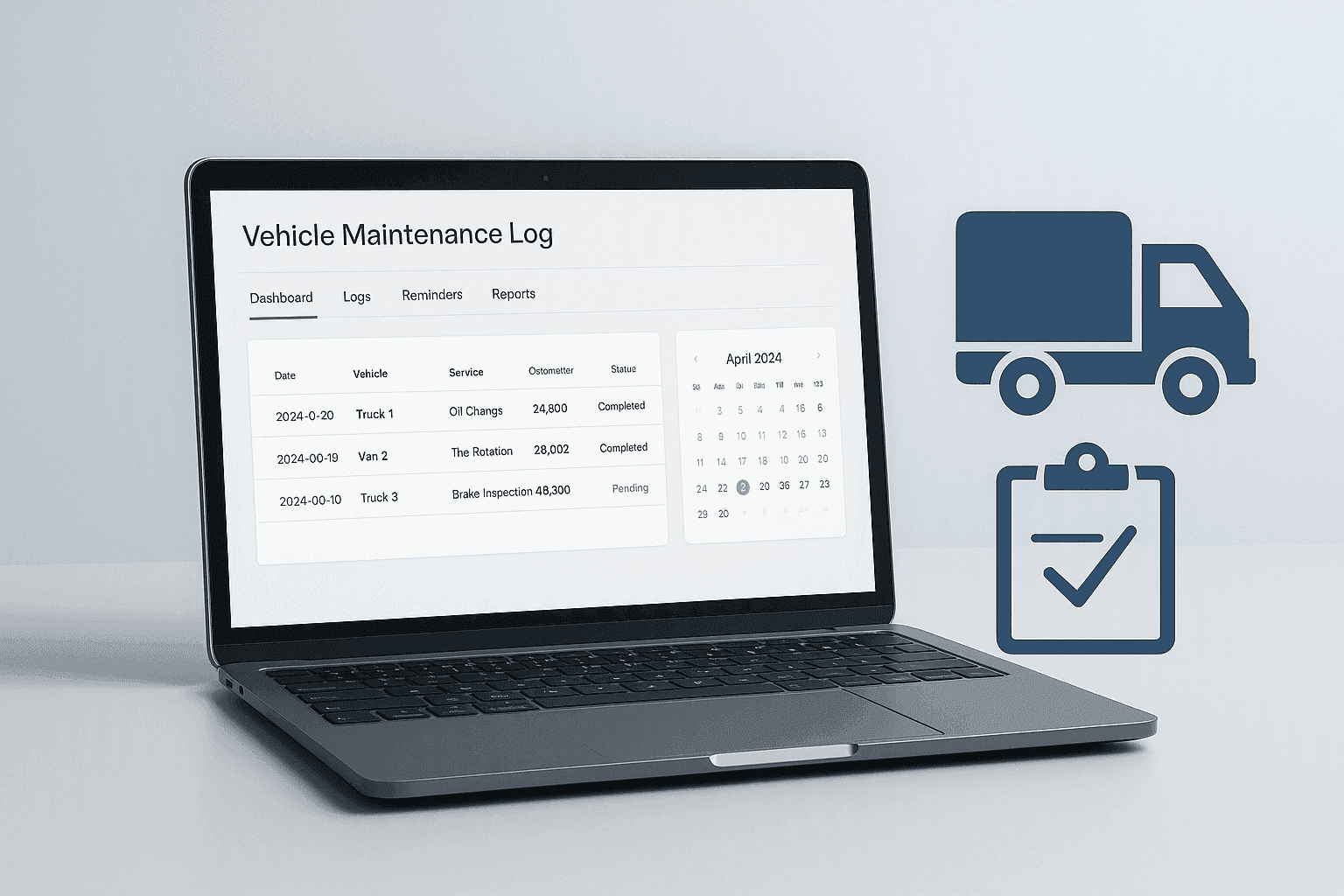
That is why vehicle maintenance log software is becoming a core part of modern fleet operations. Instead of relying on paper checklists, spreadsheets, and memory, fleet teams are using connected maintenance tools to track service history, automate reminders, monitor vehicle condition, and make data-backed repair decisions.
As fleet operations become more time-sensitive and cost-conscious, maintenance is shifting from a reactive workshop task to a strategic operational function. Here are the major vehicle maintenance trends shaping 2026 and how delivery businesses can prepare.
Preventive Maintenance Is Replacing Reactive Repairs
The most important trend is the continued move from fixing vehicles after failure to servicing them before problems interrupt operations. Reactive maintenance may appear cheaper in the short term, but it often creates higher repair bills, emergency towing costs, missed delivery windows, and lost vehicle availability.
A preventive maintenance strategy uses planned schedules based on mileage, engine hours, calendar dates, or manufacturer recommendations. Vehicle maintenance tracking software makes this approach practical by automatically identifying vehicles that are approaching a service threshold.
What preventive maintenance teams track
A structured vehicle maintenance schedule commonly includes:
- Oil and filter changes
- Tyre inspections, rotations, and replacements
- Brake checks and component replacement
- Battery health and charging-system checks
- Fluid levels and leak inspections
- Vehicle inspections and roadworthiness certificates
- Registration, insurance, and compliance expiry dates
- Manufacturer recall actions
The operational impact can be significant. Even reducing preventable vehicle downtime by one day per month across a 20-vehicle fleet can return dozens of vehicle-days to delivery capacity each year. The key is not simply collecting service dates; it is turning those dates into timely, accountable actions.
How to adapt
Set maintenance intervals for every asset type, including vans, trucks, motorcycles, trailers, and temperature-controlled equipment. Then assign owners for each task and review overdue work every week. A maintenance platform should make exceptions visible before they affect dispatch planning.
Real-Time Data Is Improving Vehicle Maintenance Monitoring
Maintenance logs are no longer limited to workshop records. GPS devices, onboard diagnostics, telematics sensors, and driver mobile apps are creating a more current picture of fleet condition.
A vehicle maintenance monitoring system can combine location and usage data with maintenance records. This helps fleet managers see not only which vehicle needs service, but also where it is, how heavily it is being used, and whether it can be scheduled for maintenance without disrupting priority deliveries.
From static records to condition-based decisions
Traditional schedules are useful, but they do not always reflect how a vehicle is actually operated. A delivery van that covers dense urban routes with frequent braking and idling may need different attention than a vehicle covering long highway distances.
Condition-based maintenance uses operational signals to guide servicing decisions. Depending on available integrations, teams may monitor:
- Odometer readings and engine hours
- Fault codes and warning-light events
- Fuel consumption changes
- Engine temperature alerts
- Harsh braking and acceleration patterns
- Idling time
- Tyre pressure or tyre-related inspection results
For example, a sudden drop in fuel efficiency can prompt a check for tyre pressure, engine issues, excessive idling, or driver behaviour changes. The maintenance record becomes more useful when it is connected to daily fleet activity.
How to adapt
Choose systems that can capture odometer readings automatically or through simple driver workflows. Where telematics data is available, connect it to service rules so maintenance alerts reflect actual vehicle use rather than estimates alone.
Mobile-First Inspections Are Becoming Standard
Drivers are often the first people to notice a fault, yet paper-based defect reports can be delayed, misplaced, or hard to interpret. Mobile inspections are changing that by allowing drivers to complete pre-trip and post-trip checks directly from a smartphone.
A modern vehicle maintenance tracking program gives drivers structured checklists, photo uploads, and defect-reporting workflows. It also gives managers an immediate record of what was checked, when it was checked, and which issues require action.
Why digital inspections matter
Digital inspection workflows help fleets create a reliable maintenance trail while reducing administrative effort. They can also improve safety culture by making it easier for drivers to report issues before a minor defect becomes a serious risk.
A well-designed mobile workflow should:
- Present role-specific inspection questions.
- Require confirmation for critical safety items.
- Allow drivers to attach photos and notes.
- Create a defect or work order automatically when needed.
- Notify the responsible fleet manager or maintenance team.
- Record completion once the issue is resolved.
The best process keeps drivers involved without creating unnecessary friction. Checklists should be detailed enough to support compliance but short enough to complete consistently during a busy shift.
Maintenance Costs Are Moving Into Fleet Performance Dashboards
In 2026, fleet managers need more than a list of completed services. They need to understand the financial performance of each vehicle and make informed replacement decisions.
Vehicle maintenance record software centralises labour costs, parts costs, supplier invoices, mileage, repair history, and downtime. This creates a clearer total cost of ownership view for every vehicle in the fleet.
The metrics that matter most
Maintenance reporting should help managers answer practical questions, such as which vehicles are becoming too expensive to operate and which suppliers deliver the best value. Useful performance indicators include:
- Maintenance cost per vehicle
- Maintenance cost per kilometre or mile
- Planned versus unplanned maintenance ratio
- Vehicle downtime days
- Repeat repair frequency
- Average repair turnaround time
- Cost by asset type, depot, supplier, or repair category
- Service-compliance rate
A single major repair does not always mean a vehicle should be replaced. However, recurring faults, increasing downtime, and rising cost per kilometre may indicate that an asset is reaching the point where replacement is financially smarter than continued repair.
How to adapt
Create monthly maintenance dashboards that compare cost, downtime, and compliance across the fleet. Review trends by vehicle age and model, not just individual repair invoices. This allows fleet managers to identify systemic issues, such as an unreliable model, a recurring supplier problem, or a maintenance schedule that needs adjustment.
Free Tools Can Support Small Fleets—With Limits
Smaller operators often begin with a spreadsheet or vehicle maintenance tracking software free option. These tools can be useful for recording basic service dates, mileage, and upcoming renewals, particularly when a business operates only a few vehicles.
However, free tools typically have limitations around automation, multi-user access, mobile inspections, reporting, integrations, audit trails, and data security. As delivery volumes grow, these gaps can create operational risk.
When a free maintenance tracker is enough
A free tool may work if your business has:
- A small, stable fleet
- Simple service schedules
- One person responsible for maintenance records
- Limited compliance reporting requirements
- No need for GPS, dispatch, or telematics integrations
When to upgrade
It is usually time to adopt dedicated vehicle maintenance tracking technology when teams spend too much time chasing service information, drivers submit defects through informal channels, or managers cannot confidently see which vehicles are safe and available for work.
The goal is not to buy technology for its own sake. It is to replace fragmented processes with a reliable system that supports faster decisions and fewer surprises.
Maintenance Systems Are Integrating With Dispatch and Delivery Operations
Maintenance decisions directly affect fleet availability. Yet many businesses still manage servicing in one system and deliveries in another, creating avoidable scheduling conflicts.
Integrated fleet management platforms make maintenance status visible to dispatchers. If a vehicle has an unresolved safety defect, is due for a service, or is booked into a workshop, it can be excluded from route allocation before a dispatcher assigns work.
This connection is especially valuable for last-mile delivery operations, where a vehicle being unavailable at the start of a shift can disrupt dozens of stops. Maintenance data can also support better capacity planning by showing the number of vehicles expected to be off-road in the coming days or weeks.
How to adapt
Connect maintenance planning with operational scheduling. Before routes are assigned, confirm vehicle availability, inspection status, and service due dates. A shared view helps dispatch, operations, and maintenance teams work from the same information instead of resolving conflicts after the fact.
Compliance and Audit Readiness Are Driving Better Recordkeeping
Fleet compliance requirements vary by region, vehicle class, and industry, but the operational need is universal: businesses must be able to prove that vehicles are inspected, maintained, and safe to operate.
A digital vehicle maintenance log software solution creates a searchable record of inspections, repairs, invoices, service intervals, and compliance documents. This can reduce the pressure of audits and make it easier to investigate incidents or recurring defects, particularly as fleet compliance software evolves.
Strong recordkeeping also supports accountability. Managers can see whether a defect was reported, who reviewed it, when it was repaired, and whether the vehicle was returned to service appropriately.
Essential records to retain
At a minimum, maintain a consistent digital history for:
- Scheduled and completed services
- Safety inspections and defect reports
- Repair work orders and invoices
- Parts replaced
- Vehicle mileage and operating hours
- Compliance certificates and expiry dates
- Workshop notes and supplier details
- Vehicle downtime periods
The Future: Smarter Maintenance, Fewer Delivery Disruptions
The future of fleet maintenance is connected, predictive, and operationally aware. Businesses will increasingly use maintenance data alongside route performance, driver behaviour, fuel use, and vehicle utilisation to prevent problems before they affect customers.
The most successful fleets will not treat maintenance as a back-office obligation. They will treat it as a way to protect vehicle availability, control costs, improve safety, and deliver more consistently.
Cooriroo helps delivery and fleet operators bring operational data into one place, making it easier to coordinate vehicles, drivers, routes, and maintenance requirements. If your team is ready to move beyond spreadsheets and disconnected service records, explore how a connected fleet platform can support more reliable vehicle maintenance tracking and stronger delivery performance.