Vehicle Tracking System Software: Fleet Trends for 2026

Fleet visibility is no longer a competitive extra. For delivery operators, field service businesses, and transport fleets, it is becoming the operating foundation for faster decisions, safer driving, and more dependable customer experiences.
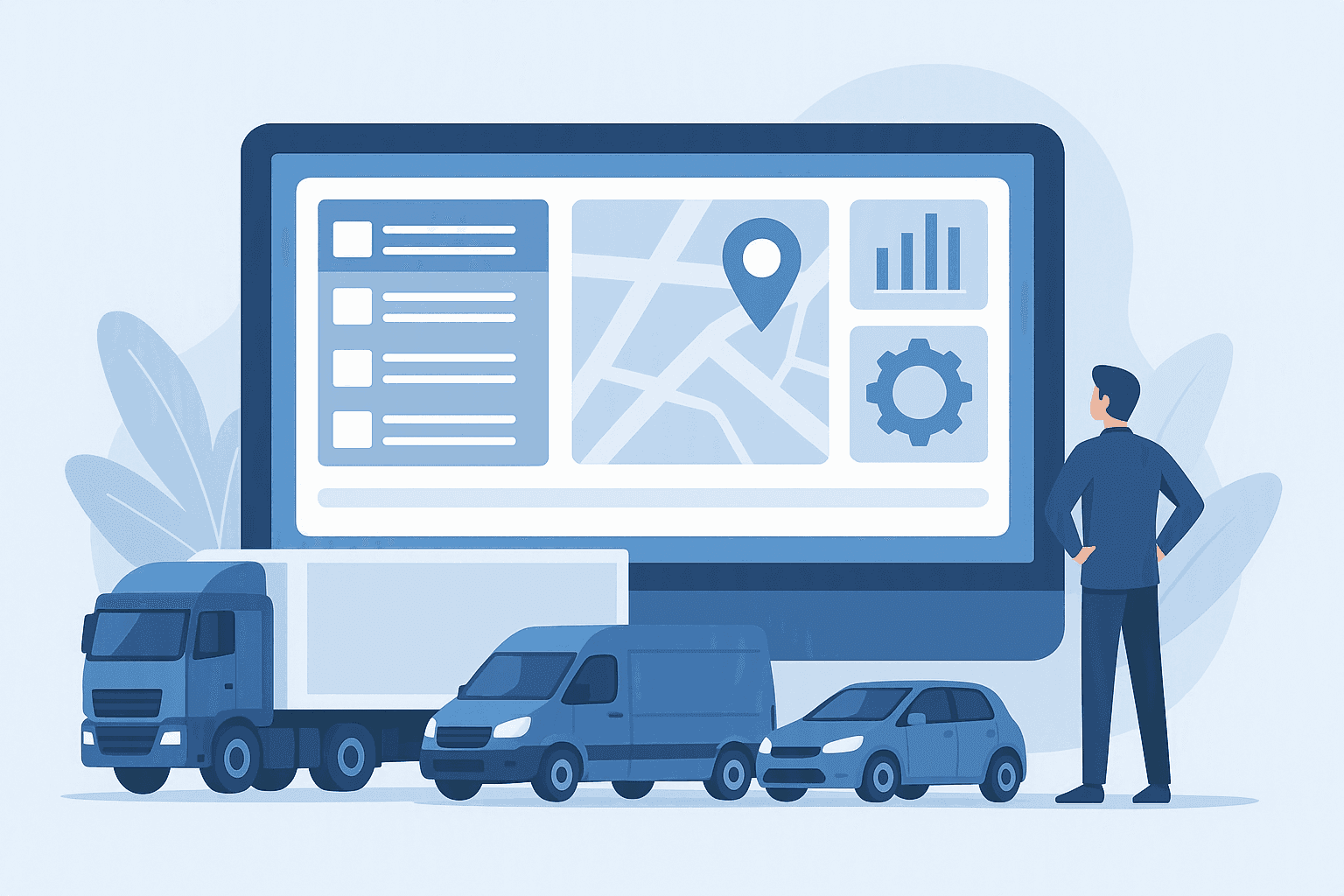
Modern vehicle tracking system software has moved far beyond displaying dots on a map. The most useful platforms connect GPS location data with dispatch workflows, driver behavior, delivery status, route performance, and vehicle health. That evolution is reshaping how fleets plan work in 2026.
Below are the major trends influencing gps tracking software for cars and commercial vehicles, along with practical ways fleet leaders can adapt.
Real-Time Visibility Is Becoming an Operational Standard
Real-time location tracking remains the core function of tracking technology, but fleet expectations have changed. Managers now need context around every vehicle location: whether the driver is en route, delayed at a stop, completing a delivery, idling, or deviating from an approved route.
Basic location pings at long intervals can leave dispatchers reacting too late. More advanced tracking software for cars provides frequent updates, trip history, geofencing alerts, estimated arrival times, and status-based location intelligence. These real-time fleet tracking trends are changing how delivery teams respond to disruptions throughout the day.
For delivery fleets, this visibility supports several high-value decisions:
- Reassigning jobs when a vehicle is delayed
- Sending the nearest qualified driver to an urgent booking
- Updating customers with more accurate ETAs
- Identifying unproductive dwell time at depots or customer locations
- Verifying service completion and route adherence
The operational implication is clear: fleet teams should treat live tracking data as an input for dispatch, not simply as a reporting feature. A platform that integrates location with jobs, drivers, and customer addresses provides significantly more value than a standalone map.
How to adapt
Review how often your team uses tracking data during the day. If location information is checked only after a problem occurs, create real-time workflows for late arrivals, missed geofences, unplanned stops, and route deviations.
AI-Powered Fleet Insights Are Reducing Manual Analysis
Fleet managers often have access to large volumes of GPS, trip, and driver data. The challenge is turning that information into action without spending hours building spreadsheets or reviewing individual journeys.
In 2026, vehicle tracking system software increasingly uses automation and AI-supported analytics to identify patterns that deserve attention. Instead of requiring a manager to search through every trip, the system can flag unusual idling, repeated late arrivals, inefficient route patterns, or vehicles that are consistently underutilized.
This trend does not eliminate the need for management judgment. It makes that judgment more efficient by bringing exceptions and trends to the surface.
Common AI-assisted use cases include:
- Exception detection: Highlighting a vehicle that has stopped unexpectedly or travelled outside a planned service area.
- ETA prediction: Combining live traffic conditions, historical trip durations, and current route progress to improve arrival estimates.
- Capacity planning: Identifying regular demand peaks and areas where additional drivers or vehicles may be needed.
- Route learning: Comparing planned and actual routes to reveal recurring delays, bottlenecks, or avoidable detours.
- Driver coaching priorities: Focusing supervisors on the most meaningful safety or efficiency events.
How to adapt
Start with a small number of performance questions, such as: Which routes generate the most late deliveries? Where do drivers spend the most idle time? Which service zones create the longest turnaround times? Configure dashboards and alerts around those questions rather than collecting data for its own sake.
Route Optimization Is Expanding Beyond Distance
The shortest route is not always the most profitable route. Delivery operations need to account for traffic, driver availability, delivery windows, vehicle capacity, service duration, road restrictions, and customer priority.
This is why route optimization is becoming a central companion to gps tracking software for cars. Tracking supplies the live vehicle data, while route planning uses that information to make better allocation and sequencing decisions.
For example, a multi-stop delivery route may be shorter in kilometres but less efficient if it repeatedly encounters peak-hour congestion or causes drivers to arrive before a customer is available. The best route balances travel time, service commitments, and operating cost.
What effective route management looks like
A connected fleet platform should help teams:
- Plan routes around delivery time windows
- Allocate jobs based on proximity, skill, capacity, and current availability
- Monitor actual routes against planned routes
- Re-optimize work when traffic, cancellations, or urgent jobs change the day
- Measure route completion, on-time performance, and stops per driver
How to adapt
Compare your planned routes with actual trip data every week. Look for repeated deviations instead of treating each detour as an isolated driver issue. A recurring variance may point to poor route design, inaccurate service-time assumptions, or an operational constraint that needs to be reflected in planning rules.
Driver Safety Data Is Becoming More Actionable
Safety remains one of the strongest business cases for vehicle tracking. GPS data, accelerometer events, connected vehicle data, and driver apps can help fleets monitor speeding, harsh braking, rapid acceleration, excessive idling, and unauthorised vehicle use.
However, the trend is shifting from surveillance to coaching. Successful fleets use safety data to establish fair standards, identify training needs, and recognise improvement. Drivers are more likely to engage with the system when they understand how performance is measured and how the data protects them as well as the business.
A well-designed driver safety program can support:
- Lower accident risk and associated downtime
- Improved insurance and compliance conversations
- Reduced fuel use from smoother driving habits
- Better protection for company vehicles and cargo
- More consistent customer service on the road
How to adapt
Define a transparent driver-data policy before introducing new monitoring features. Explain which events are tracked, how managers will use the data, how long it is retained, and how drivers can challenge incorrect records. Pair alerts with constructive feedback and practical coaching.
EV and Mixed-Fleet Management Are Creating New Tracking Needs
The transition to electric vehicles is progressing unevenly across regions and fleet types, but mixed fleets are already common. Businesses may operate petrol, diesel, hybrid, and electric vehicles at the same time, each with different refuelling or charging requirements.
Vehicle tracking system software is evolving to help managers understand these operational differences. For EV fleets, location data can be combined with battery state, range estimates, charging status, and charger availability. This helps dispatchers avoid assigning a job that a vehicle cannot complete efficiently.
For mixed fleets, the goal is not simply to track energy use. It is to assign the right vehicle to the right work. A short urban route with frequent stops may suit an EV, while a longer or less predictable route may require a different vehicle type depending on charging infrastructure and load requirements. Broader transport fleet management trends show why sustainability and operational efficiency need to be planned together.
How to adapt
Add energy and charging considerations to dispatch rules early, even if only a small share of your fleet is electric. Track where vehicles return, how long they dwell, and where charging can fit naturally into operational schedules.
Customer Experience Is Becoming a Fleet Data Use Case
Customers increasingly expect accurate delivery information, especially for time-sensitive, high-value, or business-critical orders. A generic message saying a driver is “on the way” is less useful than a live ETA, notification of a delay, or confirmation that a delivery has been completed.
The strongest fleet operations connect internal tracking information to customer-facing communication. This does not mean exposing every vehicle location. It means turning reliable operational data into clear, relevant updates.
Customer-facing benefits can include:
- More accurate arrival windows
- Proactive delay notifications
- Delivery confirmation and proof of service
- Fewer inbound “where is my order?” calls
- Greater trust in the delivery experience
How to adapt
Audit the information your customer service team receives when a customer asks for an update. If staff must call drivers or switch between several systems, your tracking and delivery workflow are not sufficiently connected. Prioritise a single operational view of jobs, vehicles, and delivery status.
Data Privacy and Security Are Board-Level Considerations
As fleets collect more location and driver data, privacy and cybersecurity need to be part of technology selection and daily operations. Vehicle locations, driving records, customer addresses, and delivery histories can all be sensitive business information.
Fleet leaders should assess how a provider manages user access, data storage, device security, integrations, and audit trails. The goal is to give dispatchers and managers the data they need without making sensitive information available to every user.
Key questions to ask a software provider include:
- Can administrators control permissions by role, team, or region?
- Is data encrypted in transit and at rest?
- Are integrations managed through secure APIs?
- Can the platform provide activity logs and audit history?
- How does it support privacy obligations in the regions where you operate?
How to adapt
Assign clear ownership for fleet data governance. Review user access regularly, remove accounts for departed employees promptly, and ensure drivers understand the purpose and limits of location tracking.
Choosing Vehicle Tracking System Software for the Future
The best platform is not necessarily the one with the longest feature list. It is the one that fits your operating model and can grow with your fleet.
When evaluating tracking software for cars or commercial vehicles, focus on practical outcomes: faster dispatch, fewer late deliveries, improved utilisation, safer driving, and clearer customer communication. Look for a solution that connects tracking with the workflows your team performs every day. These priorities align with the wider shift toward vehicle management software that helps fleets move beyond reactive administration.
A strong selection checklist should include:
- Reliable real-time GPS tracking and historical trip reporting
- Geofences, alerts, and configurable exception rules
- Route planning and dispatch capabilities
- Driver-friendly mobile tools
- Delivery status updates and proof-of-delivery options
- Reporting that supports operational, safety, and cost decisions
- Flexible integrations with existing business systems
- Scalable permissions, security controls, and support
The Future of Fleet Management Is Connected
In 2026, vehicle tracking is no longer just about knowing where a car is. It is about connecting live vehicle data to better decisions across dispatch, route planning, driver safety, customer experience, and asset utilisation.
Businesses that act on this trend can reduce operational blind spots while creating a more responsive delivery operation. The key is to choose vehicle tracking system software that turns location data into practical workflows rather than another disconnected dashboard.
Cooriroo helps delivery and fleet teams bring vehicle visibility, dispatch coordination, route performance, and operational control into one modern platform. Explore how connected fleet management can help your business deliver more efficiently, respond faster, and scale with confidence.