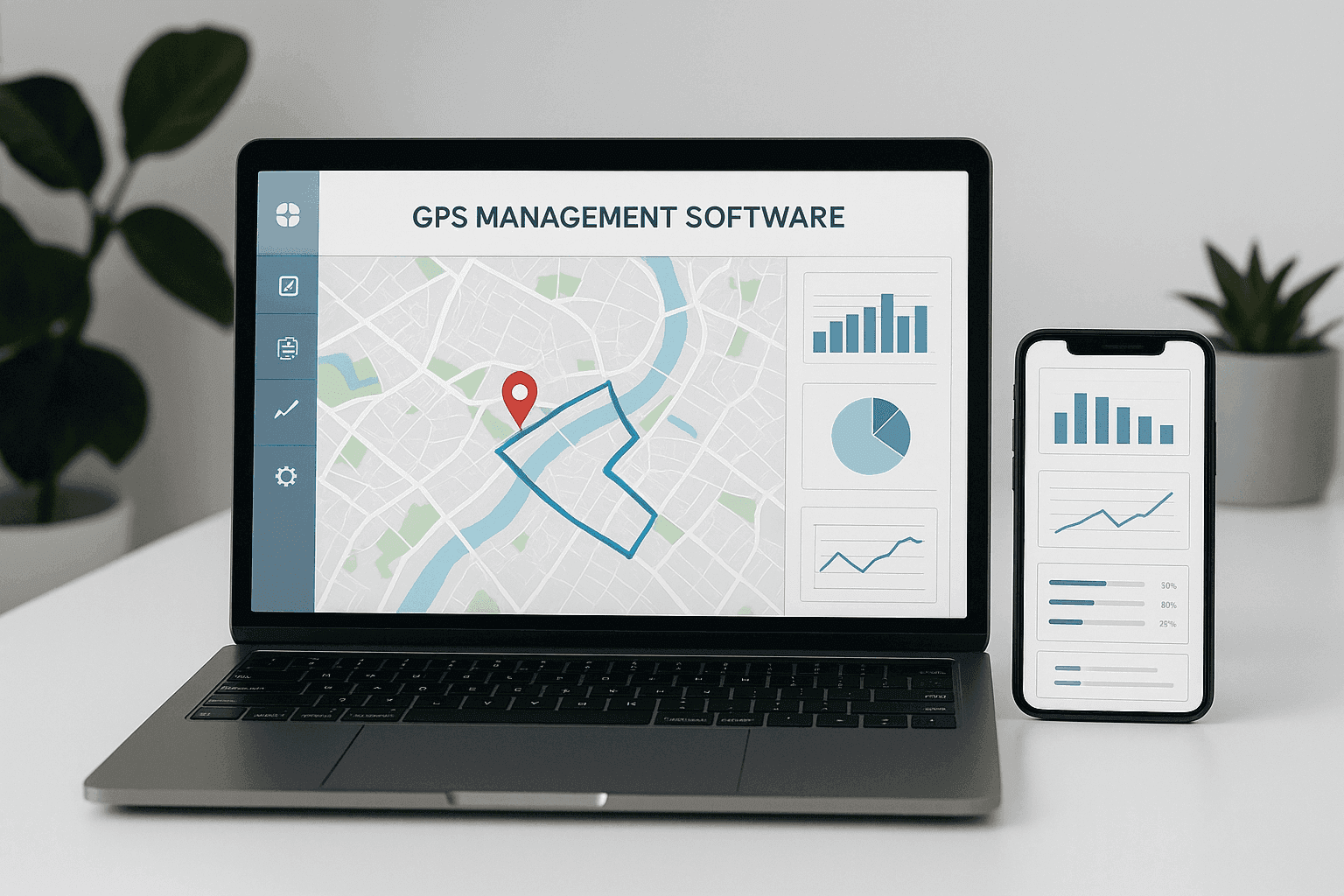
What a Fleet Management Software Program Is for Fleets
Fleet operations have become more complex than simply assigning a vehicle and handing a driver a delivery list. Rising fuel costs, tighter delivery windows, customer expectations, maintenance demands, and compliance requirements all put pressure on managers to make faster, better-informed decisions.
So, a fleet management software program is more than a digital map or vehicle tracker. It is a centralized system that helps businesses monitor vehicles, drivers, routes, costs, maintenance, and delivery performance in real time. For logistics operators, courier companies, field service fleets, and last-mile delivery businesses, it is becoming a core tool for controlling costs while improving service.
The fleet technology market continues to move toward connected, data-driven operations. Below are the major trends shaping fleet management software and what delivery businesses should do to benefit from them.
Fleet Visibility Is Moving From Periodic Updates to Real-Time Control
Traditional fleet management often relied on driver check-ins, phone calls, spreadsheets, and end-of-day reports. While these methods can provide basic oversight, they leave dispatchers reacting to problems after they occur.
Modern fleet management software gives teams a live view of operations. Managers can see where vehicles are, whether a driver is delayed, how long a vehicle has been idle, and whether a scheduled stop has been completed.
What real-time fleet tracking delivers
GPS fleet tracking helps businesses make practical decisions during the workday, including:
- Reassigning nearby drivers when urgent jobs arrive
- Identifying route delays caused by traffic, road closures, or missed turns
- Sharing more accurate delivery updates with customers
- Reducing unauthorized vehicle use and excessive idling
- Confirming proof of arrival at customer locations
For delivery fleets, real-time visibility is especially valuable during peak periods. When dispatchers can identify exceptions as they happen, they can communicate proactively rather than waiting for customer complaints. For a closer look at the capabilities to assess, see what to look for in a GPS fleet management system.
The trend is clear: fleet managers are shifting from reviewing what happened yesterday to managing what is happening now.
Route Optimization Is Becoming a Competitive Requirement
The fastest route is not always the most efficient route. A route may look shorter on a map but still create higher costs because of traffic, tolls, delivery time windows, vehicle capacity limits, driver hours, or poor stop sequencing.
Route optimization software uses operational data to build more efficient plans. It can account for multiple stops, service times, driver availability, delivery priorities, and geographic zones. This turns route planning from a manual task into a repeatable process.
How optimized routes improve delivery performance
An effective route planning process can help businesses:
- Reduce unnecessary mileage and fuel use
- Complete more stops per driver shift
- Improve on-time delivery rates
- Limit overtime caused by inefficient schedules
- Create more predictable service for customers
For a growing delivery operation, even small improvements in miles per route can have a meaningful effect over hundreds or thousands of weekly deliveries. Reduced driving time also gives dispatchers more flexibility when last-minute orders or failed delivery attempts appear.
Businesses should look for fleet software that supports route planning alongside live driver visibility. Planning a good route is important, but adjusting that route when real-world conditions change is what protects service levels.
Driver Safety Data Is Becoming Part of Everyday Operations
Safety is no longer only a compliance issue. Unsafe driving can increase collision risk, insurance costs, vehicle wear, fuel consumption, and reputational damage. It can also disrupt delivery operations when a vehicle is unavailable after an incident.
Fleet management platforms increasingly help managers monitor safety-related behaviors such as speeding, harsh braking, rapid acceleration, sharp cornering, and extended idling. These events can be reviewed by vehicle, driver, route, or time period.
Build a coaching culture instead of a surveillance culture
The most effective safety programs do not use telematics data solely to punish drivers. They use it to identify trends, provide fair coaching, and recognize improvement.
A productive driver safety program should:
- Set clear expectations for safe driving behavior
- Review recurring patterns rather than isolated events alone
- Give drivers context behind safety scores
- Offer targeted training where it is needed
- Reward consistent safe performance
Drivers are more likely to support fleet technology when they understand that it can reduce stressful routes, improve communication, and create objective performance standards. Transparency matters. Explain what information is collected, why it is collected, and how it will be used.
Predictive Maintenance Is Replacing Reactive Repairs
Vehicle downtime is expensive because it affects far more than repair bills. A breakdown can cause missed delivery windows, emergency vehicle replacements, driver schedule disruptions, customer dissatisfaction, and lost revenue.
A fleet management software program can centralize maintenance schedules, service records, inspection reports, mileage data, and fault alerts. Instead of relying on memory or disconnected spreadsheets, managers can see which vehicles are approaching a service threshold.
The shift toward preventive maintenance
Preventive maintenance uses time, mileage, engine hours, and vehicle condition to schedule service before minor issues become operational failures. This approach supports better asset utilization and can extend the useful life of vehicles. Vehicle maintenance tracking software can help fleets replace disconnected records with centralized schedules and inspection workflows.
Key capabilities to prioritize include:
- Automated maintenance reminders
- Digital pre-trip and post-trip inspection forms
- Service history by vehicle
- Defect reporting workflows
- Alerts for overdue inspections or maintenance tasks
- Cost reporting for repairs, parts, and labor
For fleet managers, maintenance data should connect to operational planning. If a van is scheduled for service, dispatch should know early enough to avoid assigning it to a critical route.
Cost Management Is Becoming More Data-Driven
Fuel, labor, repairs, insurance, and vehicle depreciation are major fleet expenses. Yet many operators still struggle to determine the true cost of each vehicle, route, customer, or delivery zone.
Fleet management software creates a stronger financial picture by bringing vehicle and operational data into one place. Managers can compare actual performance against expectations and identify where costs are rising.
Metrics that matter for fleet profitability
Rather than tracking every possible metric, focus on measures that support action:
- Cost per mile or kilometer
- Cost per delivery or completed job
- Fuel consumption by vehicle and route
- Idle time and idle fuel use
- Maintenance cost per vehicle
- Vehicle utilization rate
- On-time delivery percentage
- Failed delivery or repeat-attempt rate
These metrics help teams move beyond assumptions. For example, a vehicle with low fuel efficiency may have a mechanical issue, be assigned to congested routes, carry heavier loads, or be affected by driver behavior. Data helps managers investigate the cause before making a decision.
Customer Delivery Expectations Are Driving Technology Adoption
Customers increasingly expect delivery information that is timely, accurate, and easy to understand. A vague statement that an order is "out for delivery" is often not enough for businesses or consumers managing their own schedules.
Fleet and delivery management systems can support better customer communication through delivery notifications, estimated arrival times, digital proof of delivery, driver status updates, and exception alerts.
Better visibility creates a better delivery experience
When customers receive accurate information, they are less likely to contact support teams for updates. That can reduce inbound queries while improving confidence in the service.
Digital proof of delivery also helps resolve disputes. Depending on the workflow, proof may include a timestamp, location confirmation, recipient signature, photo, barcode scan, or delivery note.
For delivery businesses, customer visibility should not be treated as an optional add-on. It is a service differentiator that can help retain accounts and strengthen brand trust.
Mobile-First Workflows Are Replacing Paper and Phone Calls
Drivers need tools that work in the field, not just in the office. Mobile fleet management apps allow drivers to receive assignments, view stops, navigate routes, capture proof of delivery, report issues, and communicate with dispatch from one device.
This trend reduces paperwork and minimizes the back-and-forth phone calls that can slow down a busy operation. It also improves record accuracy because drivers can submit updates at the point of activity.
A practical mobile workflow should be simple. If drivers need too many taps to complete a task, adoption will suffer. Choose software that supports clear job information, intuitive status updates, offline functionality where needed, and fast issue reporting.
How to Choose Fleet Management Software for Your Business
Not every business needs the same level of fleet technology. A small local courier operation may prioritize dispatch, route planning, and proof of delivery, while a larger fleet may need maintenance analytics, compliance reporting, and integrations with enterprise systems.
Before selecting a platform, assess your current operational gaps. Ask where delays, unnecessary costs, manual work, and customer complaints occur most often.
Use this software evaluation checklist
Look for a fleet management solution that can provide:
- Real-time GPS vehicle tracking
- Dispatch and route optimization tools
- Driver mobile app functionality
- Digital proof of delivery
- Maintenance scheduling and inspection workflows
- Driver safety monitoring and reporting
- Delivery performance dashboards
- Integrations with existing business systems
- Scalable pricing and user permissions
- Reliable onboarding and customer support
The best platform is not simply the one with the longest feature list. It is the one your dispatchers, drivers, and managers will use consistently to improve daily decisions.
The Future of Fleet Management Is Connected and Proactive
Fleet operations are moving toward greater automation, stronger data integration, and more proactive decision-making. Businesses that rely on disconnected tools and manual updates may find it harder to control costs and meet rising delivery expectations. These GPS management software trends transforming fleets reflect the shift from simple tracking toward connected operational platforms.
A fleet management software program is a foundation for building a more visible, efficient, and customer-focused operation. It connects the people, vehicles, routes, and data that keep deliveries moving.
Cooriroo helps delivery and fleet teams bring dispatch, driver workflows, route visibility, and proof of delivery into one modern platform. Explore how connected fleet management can help your business reduce complexity, improve service, and scale with confidence.