Truck Fleet Management Software Free Download Guide
Managing a truck fleet with spreadsheets, phone calls, and paper inspection forms can quickly become expensive. Dispatchers lose visibility, maintenance teams react to problems too late, and drivers spend valuable time chasing updates instead of completing deliveries.
A truck fleet management software free download can be a practical way to test digital fleet operations before committing to a paid platform. However, free tools vary widely. Some offer a limited trial of a full system, while others provide permanent free plans with strict limits on vehicles, users, integrations, or reporting.
The right approach is not simply to download the first free tool available. Fleet operators need to evaluate whether the software supports their operational goals, protects their data, and can scale as the business grows.
Why Free Fleet Management Software Is Gaining Attention
Truck fleets face persistent pressure to control operating costs while meeting customer expectations for accurate delivery updates. Fuel, repairs, insurance, driver availability, regulatory compliance, and customer service all affect the bottom line.
At the same time, fleet technology is becoming more accessible. Cloud-based tools can now give small and mid-sized operators capabilities that were once limited to enterprise fleets, including GPS tracking, automated maintenance reminders, digital inspections, route planning, and performance dashboards. For a broader view of how these connected capabilities work together, see what a fleet management software program is for fleets.
A free download or no-cost trial gives fleet managers a lower-risk way to evaluate these capabilities. Instead of replacing every process at once, a business can test software with a small group of drivers or vehicles and measure the results.
Common reasons to explore free fleet management tools include:
- Replacing manual vehicle and driver records
- Improving visibility into truck locations and delivery status
- Scheduling preventive maintenance more consistently
- Reducing missed inspections and compliance tasks
- Testing route optimization before expanding operations
- Comparing user experience across different fleet platforms
- Building a business case for technology investment
What a Truck Fleet Management Software Free Download Should Include
Not every free product provides the same level of functionality. Before downloading software, define the workflows your team needs to improve first. A local delivery fleet may prioritize route dispatch and proof of delivery, while a long-haul operation may need stronger maintenance, fuel, compliance, and driver-performance tools.
Vehicle and Asset Records
At a minimum, fleet management software should maintain organized records for each truck, trailer, and critical asset. These records should include registration data, insurance details, VIN information, service history, mileage, and inspection schedules.
A centralized asset record reduces time spent searching through folders or disconnected spreadsheets. It also gives managers a clearer picture of each vehicle's total operating history.
Maintenance Scheduling and Service Alerts
Unplanned downtime is one of the most disruptive costs in trucking. A useful free fleet software trial should allow teams to set service intervals based on date, mileage, engine hours, or other triggers.
Look for features such as:
- Preventive maintenance schedules
- Automated service reminders
- Repair and work-order tracking
- Parts and vendor records
- Vehicle downtime reporting
- Maintenance cost history
Maintenance automation helps a fleet move from reactive repairs toward planned service. Even a simple reminder system can reduce the risk of missed oil changes, tire checks, inspections, and other essential tasks. Learn more about evaluating these tools in this guide to free vehicle maintenance tracking software in 2026.
Driver Management and Compliance Support
Fleet managers need accurate driver records for licensing, certifications, training, safety events, and assigned equipment. Depending on the operation, compliance needs may also include electronic driver vehicle inspection reports, hours-of-service integrations, and document expiration alerts.
Free plans may not include every compliance feature, but a trial should show whether the platform can support your required processes. Review how the system handles alerts, audit trails, document storage, and role-based access for managers, drivers, and maintenance staff.
GPS Tracking and Dispatch Visibility
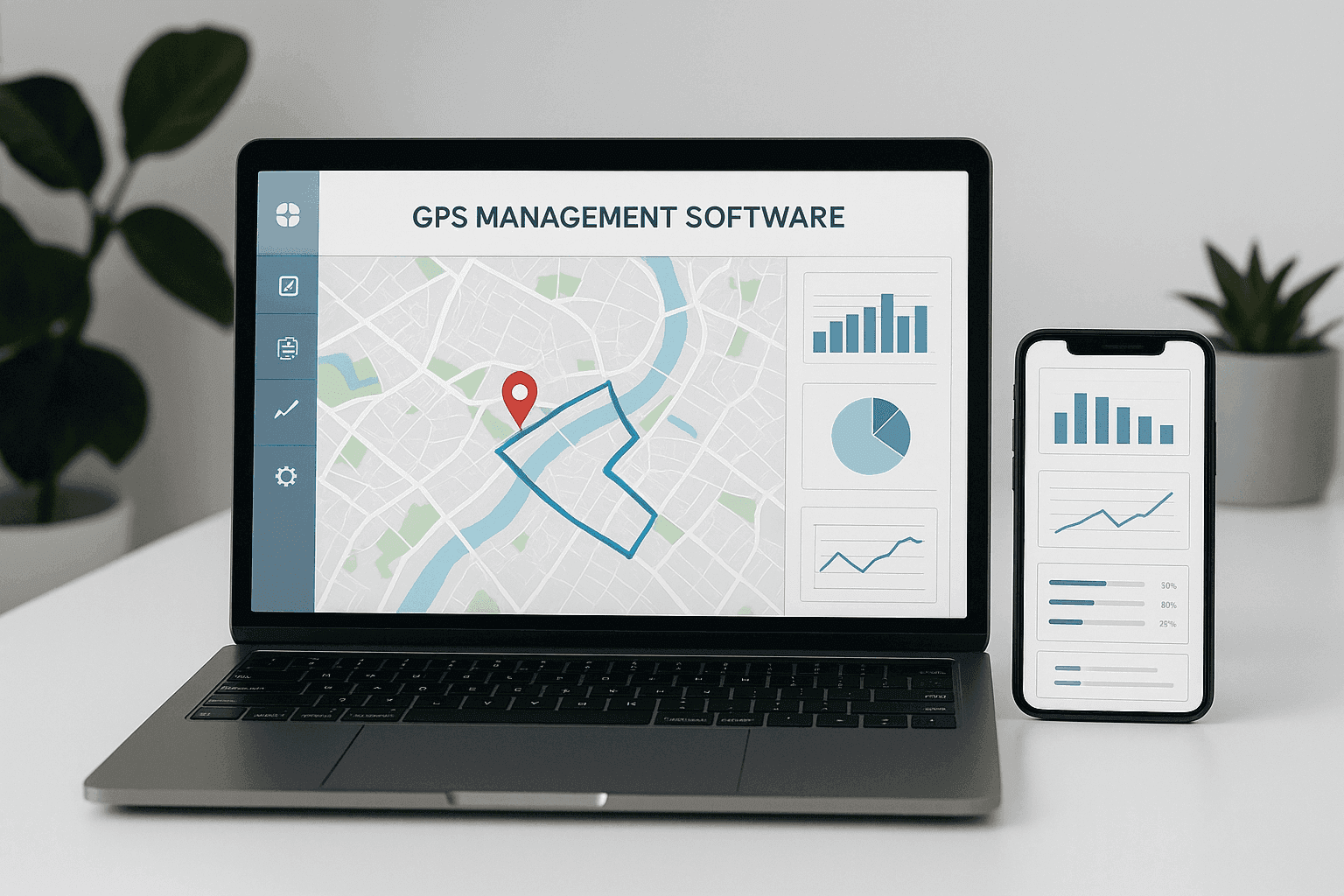
Real-time location data has become a core expectation in modern delivery operations. GPS-enabled fleet management software can help dispatchers respond to delays, identify idle time, improve customer communication, and assign nearby vehicles to new jobs.
For delivery-focused fleets, software should connect vehicle visibility with dispatch workflows. The strongest systems combine route planning, driver communication, live tracking, proof of delivery, and customer notifications in one operational view. When comparing providers, review what to look for in the best GPS fleet management system beyond basic location tracking.
Reporting That Drives Decisions
Data only creates value when teams can act on it. A truck fleet management software free download should provide clear, usable reports instead of overwhelming users with raw information.
Start with reports that answer practical questions:
- Which trucks have the highest maintenance cost?
- Which vehicles are approaching a service deadline?
- Where does excessive idling occur?
- Are deliveries leaving and arriving on schedule?
- Which routes create the most delays or exceptions?
- How much time does the team spend on manual administrative work?
A trial is the ideal time to test whether reports are easy to configure, understand, and share with decision-makers.
Free Download, Free Plan, or Free Trial: Know the Difference
The phrase “free download” can mean several different things. Understanding the model prevents surprises after implementation.
Permanent Free Plans
A permanent free plan generally offers basic functionality at no cost. It may be suitable for owner-operators, very small fleets, or teams that only need simple vehicle records and maintenance reminders.
The trade-off is usually a restriction on the number of assets, users, reports, storage capacity, or integrations. Before choosing this option, confirm whether the plan can support your fleet size for more than a short period.
Time-Limited Free Trials
A free trial provides temporary access to a broader set of features. This option is often more valuable for evaluating dispatch, routing, driver apps, telematics integrations, and advanced reporting.
Use the trial period with real operational data. A demonstration account can show the interface, but it rarely reveals how the software performs with actual routes, drivers, exceptions, and maintenance schedules.
Freemium Tools and Open-Source Options
Freemium software offers a basic version free of charge, with paid upgrades for advanced features. Open-source tools may have no licensing fee but can require significant technical expertise, hosting resources, customization, and ongoing support.
For many growing delivery businesses, the apparent savings from a free option can disappear if the team spends too much time managing manual workarounds or unsupported technology.
How to Evaluate a Free Fleet Software Download
A structured evaluation helps fleet operators avoid choosing software based only on a feature checklist. The platform must fit the way your dispatchers, drivers, maintenance staff, and managers actually work.
Test Real Fleet Workflows
Create a short pilot involving real users and real operational tasks. Ask participants to complete a daily inspection, assign a route, update a delivery status, log a repair, and generate a management report.
Pay attention to where users hesitate or need additional help. If the system is difficult during a controlled test, adoption challenges will likely grow during a full rollout.
Review Mobile Experience for Drivers
Drivers need an app that works quickly in the field. The mobile experience should support essential tasks without requiring repeated calls to dispatch.
Assess whether the driver app can handle route details, status updates, photos, signatures, messages, inspection forms, and exception reporting. Also consider offline functionality if your trucks operate in areas with limited connectivity.
Check Integration Capabilities
Fleet data often sits across multiple systems, including accounting software, ELD platforms, telematics devices, fuel-card programs, customer relationship tools, and warehouse systems.
A free version may limit integrations, but the platform should have a credible path to connect these systems when needed. Disconnected tools create duplicate data entry and reduce the value of fleet visibility.
Understand Data Security and Ownership
Do not overlook data protection because the software is free. Review the provider's security documentation, backup practices, user permissions, privacy policy, and data-export options.
Ask these questions before importing sensitive information:
- Who owns the fleet and driver data?
- Can the business export data in a usable format?
- Does the provider use encryption and access controls?
- Are activity logs available for administrators?
- What happens to data when the trial ends or an account is closed?
Common Limitations of Free Fleet Management Tools
Free software can deliver meaningful value, but it is important to plan for limitations. The goal is to avoid building critical processes around a tool that cannot support future requirements.
Typical limits include:
- Caps on the number of trucks, drivers, or users
- Limited GPS tracking frequency or device compatibility
- Basic reporting with few customization options
- Restricted API access and integrations
- Minimal customer support
- No advanced route optimization or dispatch automation
- Limited document storage
- Fewer compliance and safety features
These constraints do not automatically make a free tool unsuitable. For a small operation, basic fleet maintenance software may solve an immediate problem. The key is to identify where the platform stops supporting your goals and what an upgrade path would cost.
Turning a Trial Into Measurable Fleet Improvement
The best truck fleet management software free download strategy starts with measurable objectives. Select two or three problems to improve during the evaluation rather than trying to transform every process at once.
For example, a fleet could focus on reducing missed maintenance events, improving on-time delivery visibility, and eliminating paper-based vehicle inspections. Establish a baseline before the trial, then compare results after several weeks of use.
Useful measures include maintenance compliance rates, unplanned downtime, driver paperwork completion, dispatch response time, delivery exceptions, and time spent on manual reporting. These metrics make it easier to justify the next technology investment.
Choose Software That Can Grow With Your Fleet
Free fleet software is most valuable when it creates a foundation for better operations, not when it becomes another isolated tool. As delivery volumes increase, fleets need connected workflows that link dispatch, drivers, vehicles, customers, and performance data.
Cooriroo helps delivery and fleet operations centralize route planning, dispatch, driver communication, tracking, and delivery execution. Rather than relying on disconnected spreadsheets and status calls, teams can create a clearer view of every job and vehicle in motion.
Start by identifying your most urgent fleet challenge, test the workflows that matter most, and choose technology that supports the next stage of growth. Explore a modern fleet and delivery management platform to turn daily operational data into faster, more reliable decisions.